All orders are delivered within 48 hours
For any inquiries, you can contact us on WhatsApp 99222292
You can order via WhatsApp and pay via the link
Pay online



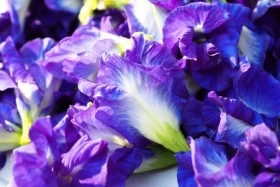
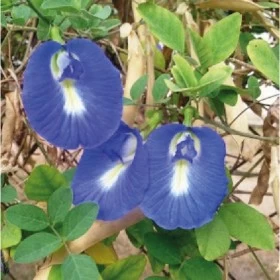


Blue Tea Climbing 25 Seeds
Botanical Description:
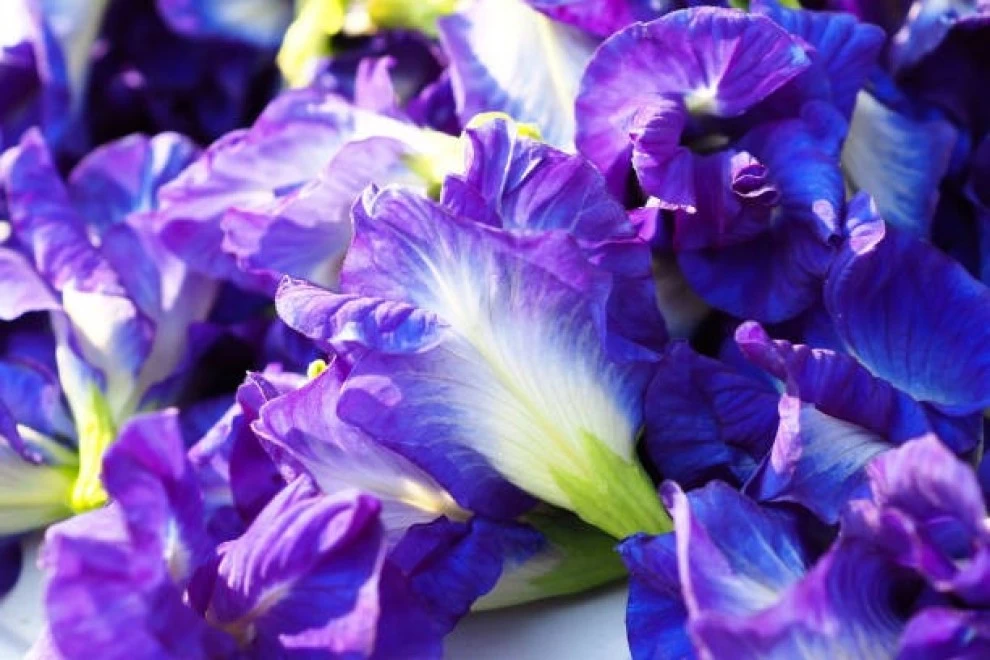
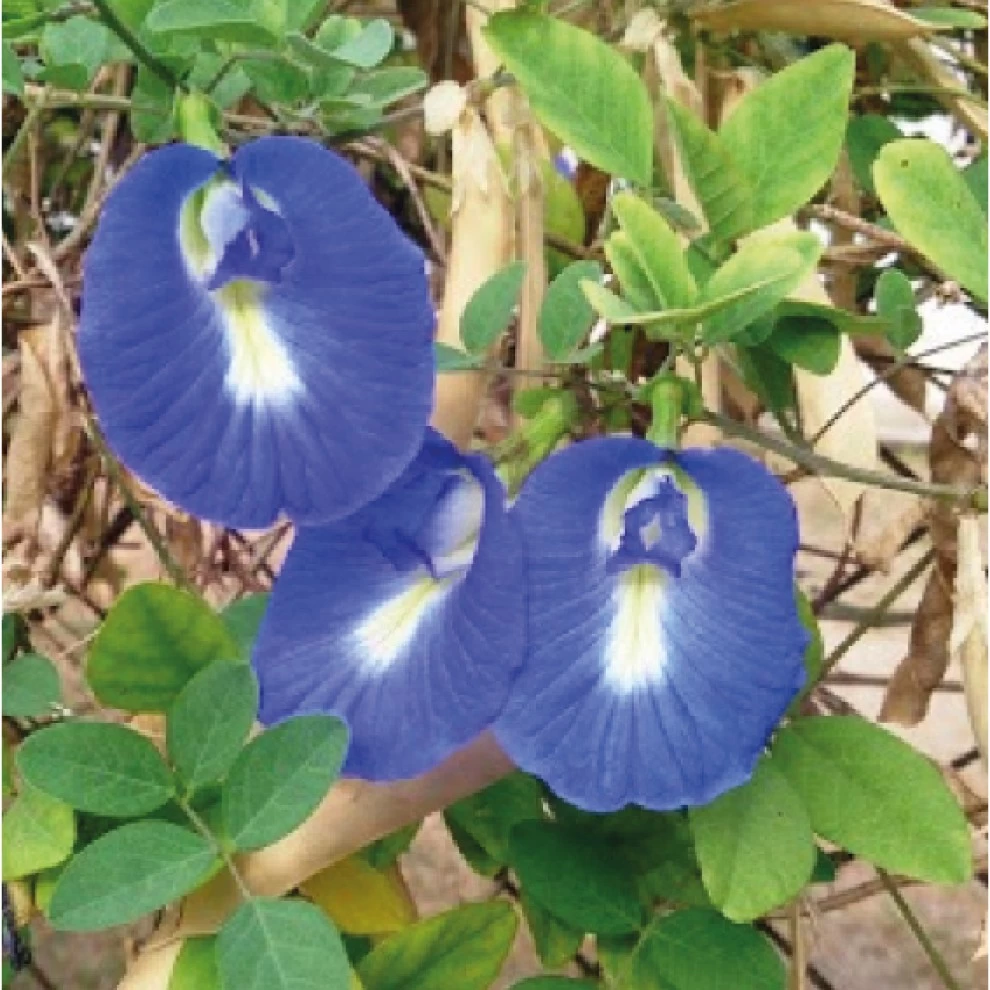
Blue tea climbing (Clitoria ternatea), also known as Asian pigeon wings, blue pea, or butterfly pea, is a perennial herbaceous plant with obtuse, elliptical leaves. It grows as a vine or creeper and thrives in moist, neutral soil. The most striking feature of this plant is its vibrant, deep blue flowers; they are solitary, with light yellow markings. They are about 4 cm (1.6 in) long and 3 cm (1.2 in) wide. Some varieties produce white flowers.
The fruits are 5–7 cm (2.0–2.8 in) long, flattened pods containing six to ten seeds each. They are edible when tender. It is cultivated as an ornamental plant and as a type of reforestation (for example, in coal mines in Australia), requiring little care. As a legume, its roots form a symbiotic relationship with soil bacteria known as rhizobia, which convert atmospheric nitrogen (N2) into a form usable by the plant (a process called nitrogen fixation). Therefore, this plant is also used to improve soil quality through decomposition. It is a nitrogen-rich plant material.
Uses of the Blue Tea Climbing Plant:
1. Blue tea flowers are widely cultivated for their aesthetic value in gardens and outdoor areas. Their presence adds a unique touch of beauty.
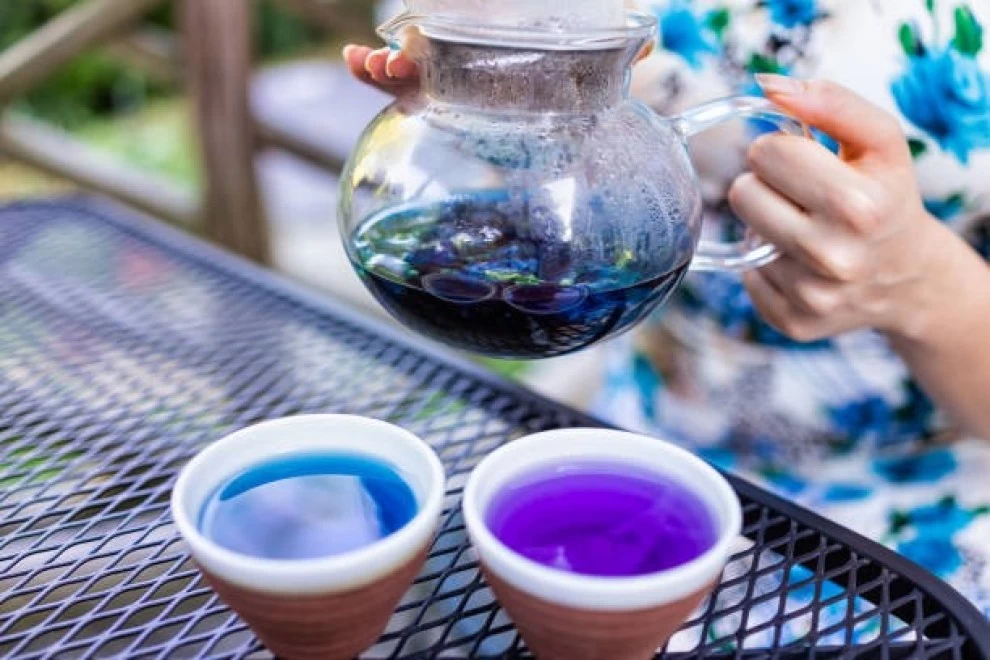
2. Blue tea flowers can be used to prepare a unique herbal tea. This tea is believed to have antioxidant properties and may be beneficial to health.
3. Medicinal Uses: Some compounds in the blue tea climbing plant are believed to have health benefits, including improving memory and relieving anxiety. Natural Dyes: The blue flowers can be used in the production of natural dyes for artistic and industrial purposes. 4. The blue tea climbing plant makes a beautiful addition to any garden or outdoor area. Whether you use it for ornamental purposes, herbal tea, or medicinal uses, you'll find the beauty and benefits of nature in this plant. Enjoy growing it and incorporating it into your daily life.