All orders are delivered within 48 hours
For any inquiries, you can contact us on WhatsApp 99222292
You can order via WhatsApp and pay via the link
Pay online



2 People are viewing this product right now


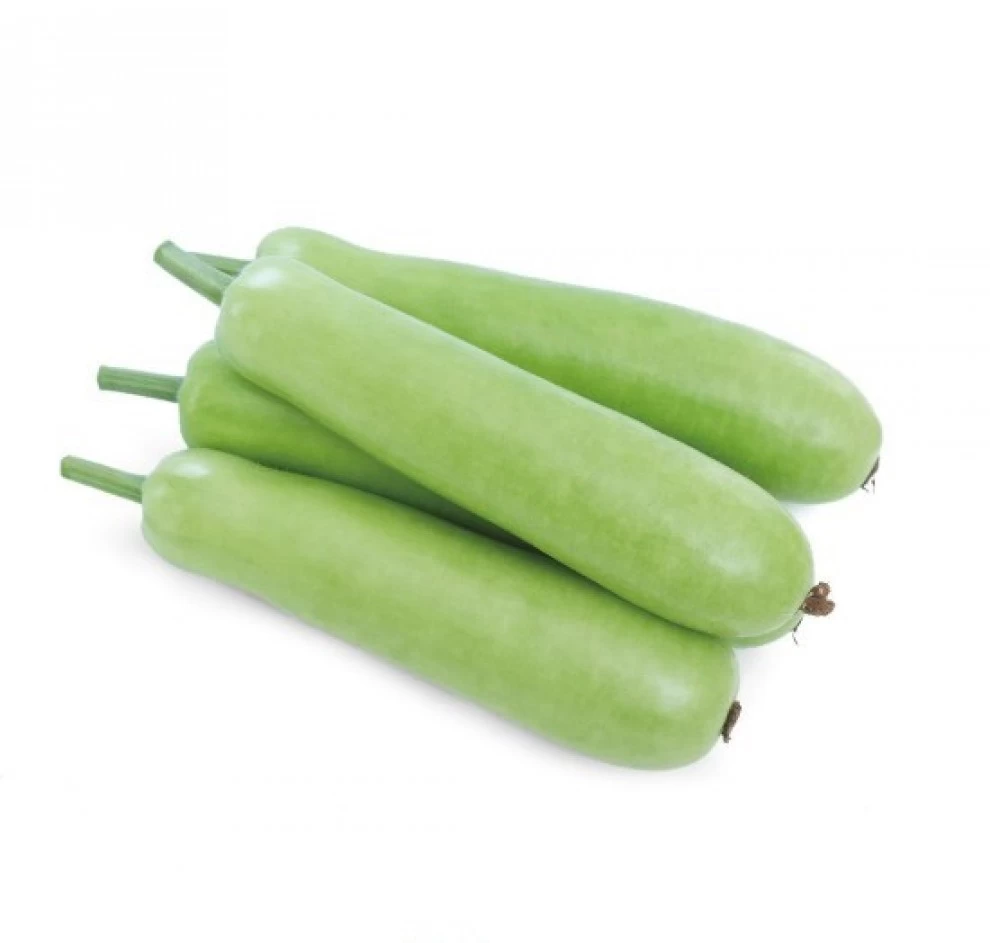
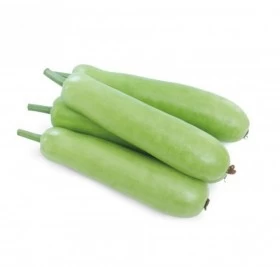
Najdi Pumpkin Seeds (15 Seeds) - Cucurbita pepo
Origin: It is believed to be native to the Arabian Peninsula, and is currently found in desert and semi-desert areas of the Middle East and North Africa.
A climbing herbaceous plant.
A widespread fibrous root.
- A woody climbing stem, which can reach a length of 10 meters.
- Five-leafed leaves, with serrated edges, dark green in color.
- Large yellow or orange flowers, single or in small groups.
- A large pumpkin fruit, spherical or oblong in shape, with a thick, hard shell, and comes in different colors, such as green, yellow and brown.
- Flat oval seeds, white or brown in color.
Uses:
Food: The Najdi pumpkin fruit is used as food for humans and animals.
Medicine: Some parts of the Najdi pumpkin plant are used in folk medicine to treat some diseases, such as stomach pain and arthritis.
Handicrafts: The peels of the Najdi gourd are used to make handicrafts, such as plates and baskets.
Decoration: The Najdi gourd is used as a decoration in homes.
Characteristics:
Drought resistance: The Najdi gourd is a drought-resistant plant, making it suitable for cultivation in desert and semi-desert areas.
Nutritional value: The Najdi gourd is a rich source of vitamins and minerals, such as vitamin A, vitamin C and potassium.
Taste: The Najdi gourd is characterized by its sweet and distinctive taste.
Types of Najdi gourd: There are many types of Najdi gourd, varying in shape, size and color.
Agriculture:
Najdi gourd is grown from seeds in spring or summer.
Harvest: The Najdi gourd is harvested 90 to 120 days after planting.
Najdi gourd: A unique desert plant characterized by its drought resistance, high nutritional value and delicious taste. Najdi pumpkin is an important source of food, medicine and handicrafts in many desert and semi-desert areas.