All orders are delivered within 48 hours
For any inquiries, you can contact us on WhatsApp 99222292
You can order via WhatsApp and pay via the link
Pay online


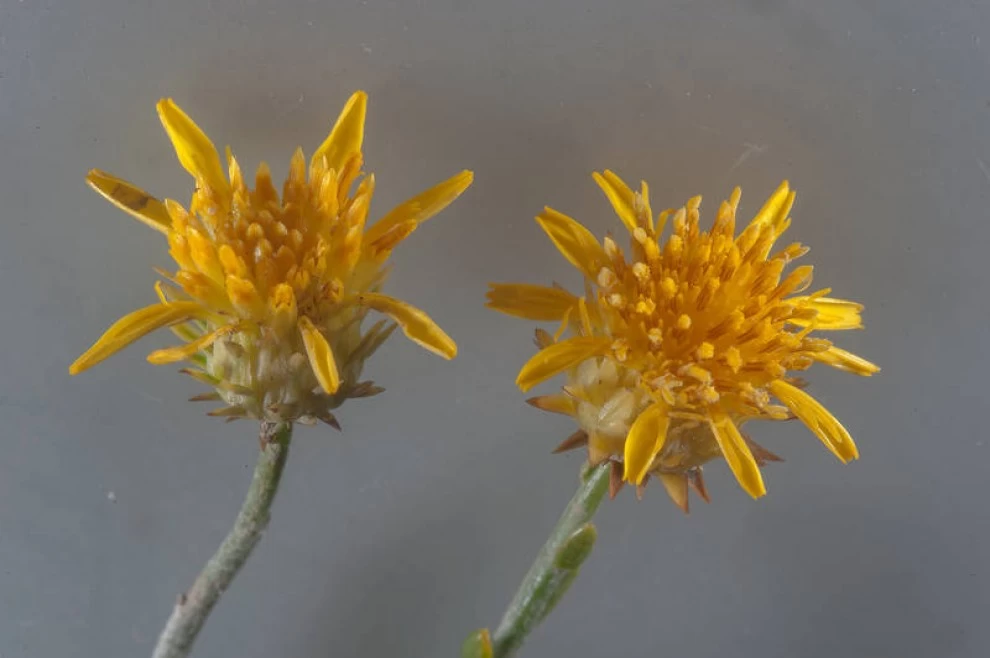
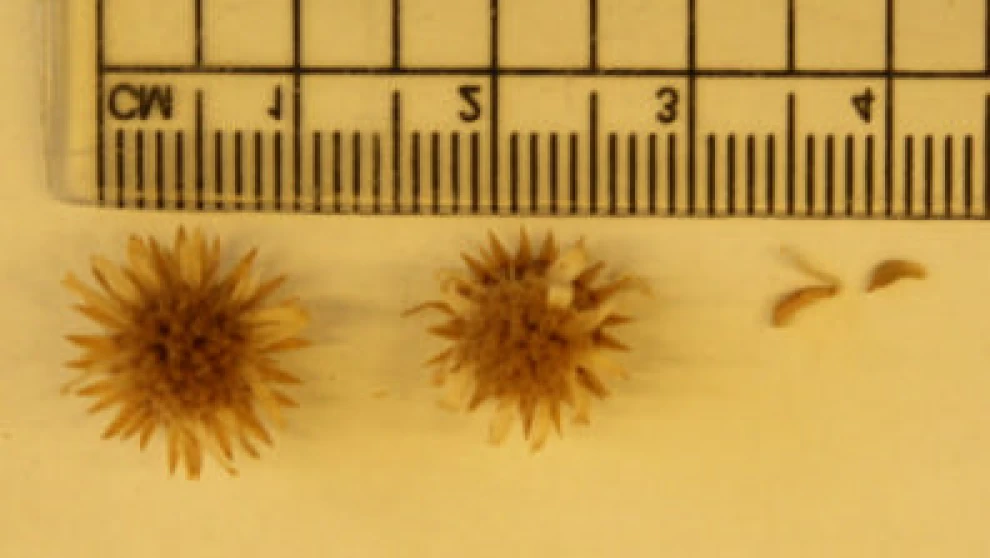



Arfaj Seeds (25 Seeds)
Botanical Description:
The Arfaj plant Rhanterium epapposum is native to the deserts of the Arabian Peninsula including Saudi Arabia, Kuwait and Qatar where it is known locally as (Arfaj).
The Arfaj plant consists of a complex network of scattered branches with small thorny leaves and bright yellow flowers about 1.5 cm wide.
The Arfaj flower is also the national flower of Kuwait. It is a dense shrub about 80 cm high. The leaves are small and narrow and in late spring it begins to flower April-May when the cool temperature prevails, it produces leaves quickly after rainfall. Within a few months, the newly formed branches and leaves become strong, and yellow flowers are produced, attracting insects and birds. In the summer, when the ground dries up, the leaves fall and the branches become bare and covered with living fibers. In times of stress, these changes may be important in increasing the chance of survival, water and materials stored in the stems to survive by allowing them to have few dormant buds. When conditions improve, reserves are transferred to buds that allow new growth.
The fruits of the Arfaj are numerous. They form in late spring and fall from the branches after ripening. They accumulate under the shrub and remain dormant until favorable conditions prevail
for germination. Each fruit contains about 6-8 seeds that are carried by wind or water.
Reproduction:
Planted by seeds
Benefits of Arfaj:
One of the most important desert fodder plants for camels and sheep.


