All orders are delivered within 48 hours
For any inquiries, you can contact us on WhatsApp 99222292
You can order via WhatsApp and pay via the link
Pay online


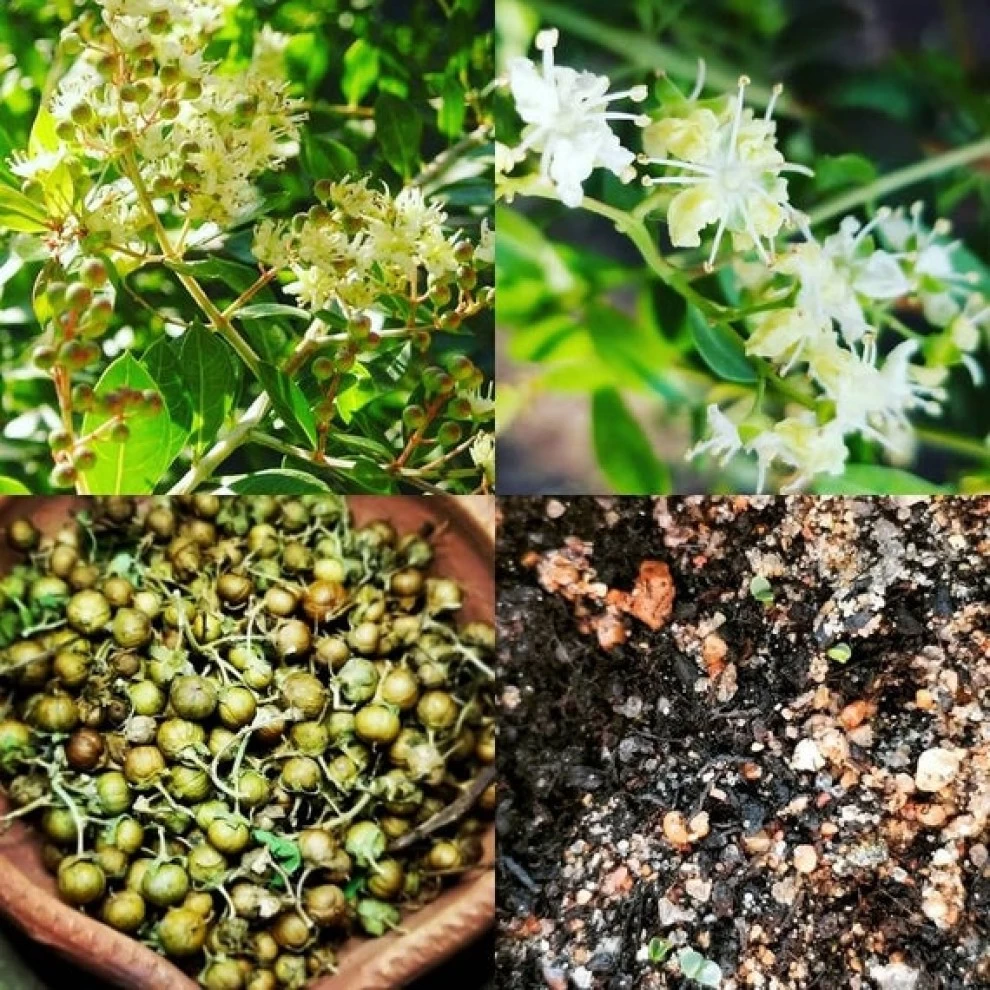
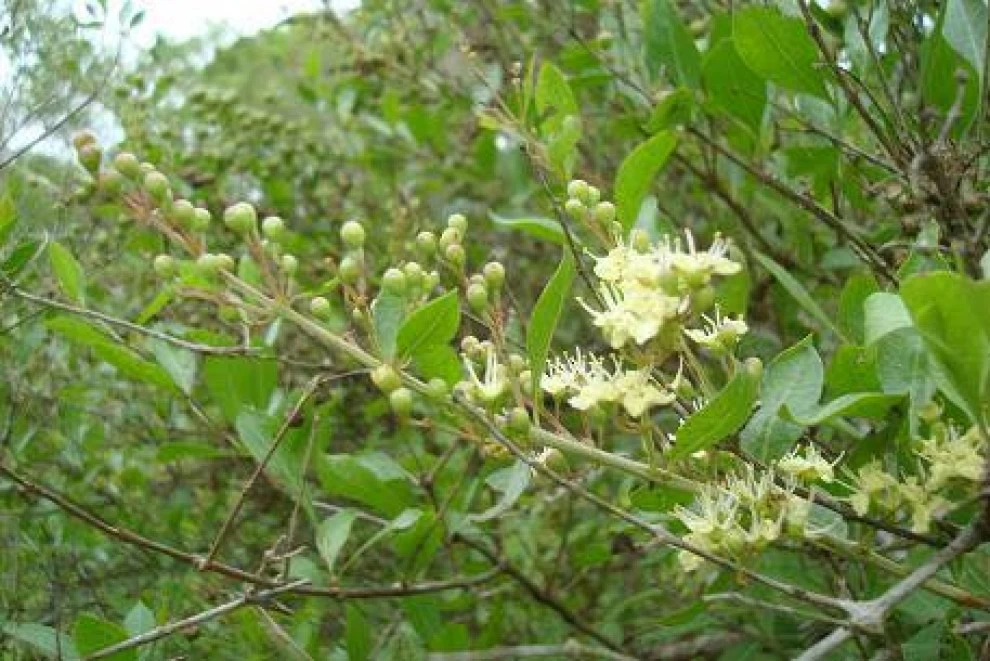
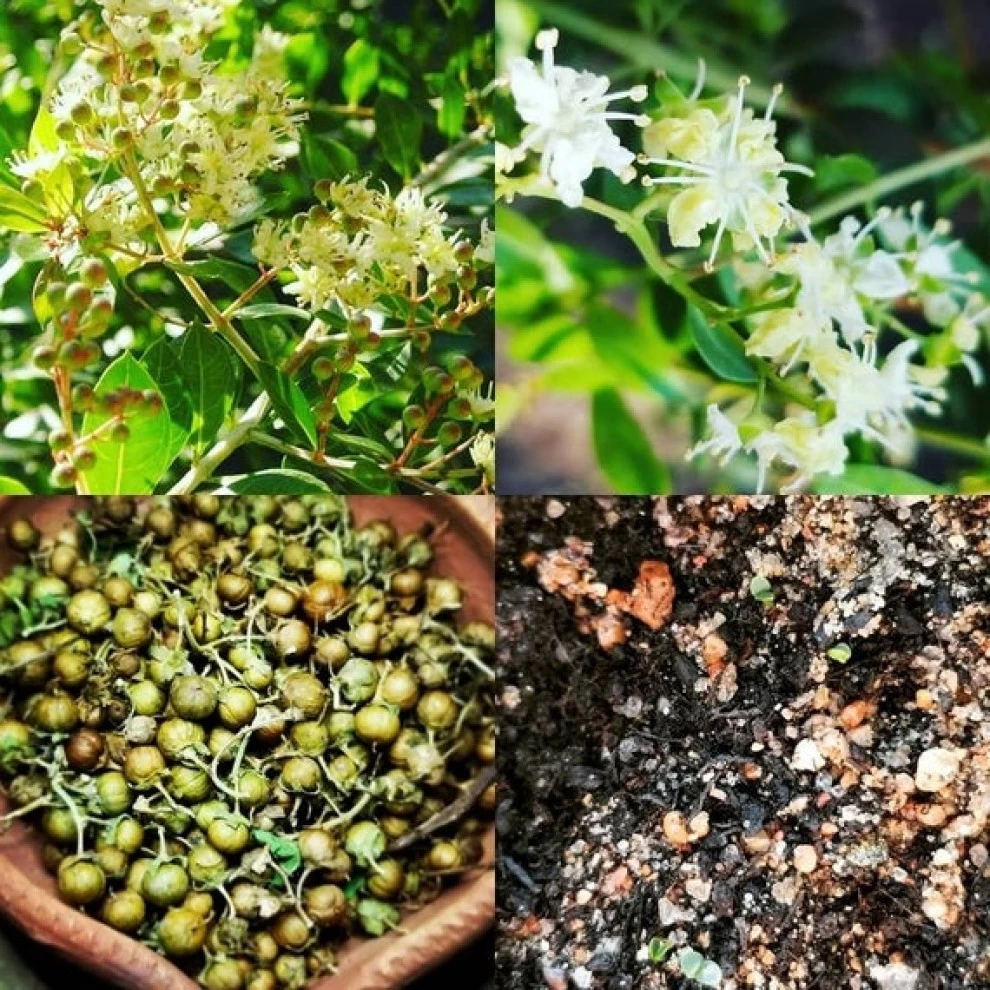
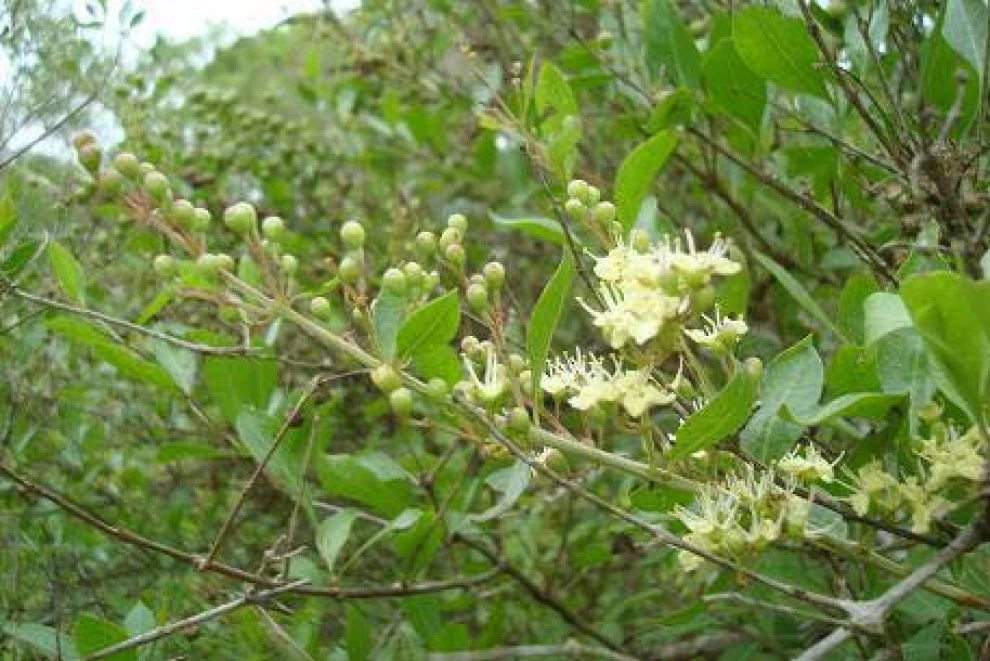

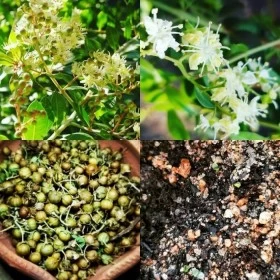
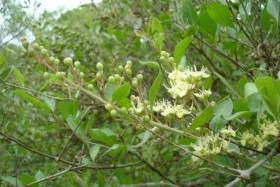
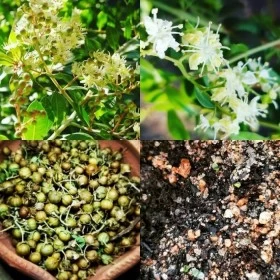
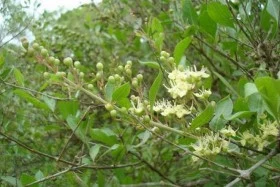


Henna Tree Seeds (100 Seeds) - Lawsonia Inermis
Botanical Description:
The henna tree Lawsonia Inermis and Mignonette tree, or Egyptian stone, is native to North Africa and Southwest Asia
It is a flowering plant and the only species of the genus Lawsonia. It is the source of henna dye used to dye skin, hair and nails, as well as fabrics including silk, wool and leather. Medicinal properties for treating kidney stones, jaundice and healing wounds. Preventing skin inflammation.
The henna tree is characterized as a tall shrub or small tree that grows 1.8 to 7.6 m (6 to 25 ft) tall. It is curly and multi-branched, with spiny branches that are oblique to the spine. The leaves grow opposite each other on the stem. They are glabrous, ovate, long and broadest in the middle; average dimensions are 1.5–5.0 cm × 0.5–2 cm and have low veins on the dorsal surface. Henna flowers have four sepals with scattered lobes.. Henna fruits are small brown capsules, 4-8 mm in diameter, with 32-49 seeds per fruit, and open irregularly into four slits.
Prefers semi-shaded places, without strong air currents, pruned to become a single-stemmed model or to take a specific shape, and pruning is done in the spring; which gives the plant a good external shape, it suits warm climates and goes through a dormant phase during the winter, it can live with most types of well-drained soil, but it is at its fullest vitality in low-acid soil, fertilized twice a year with organic fertilizer.
Agriculture:
It is done using seeds, and it is preferable to soak them in water for a few days so that the seed coats soften and the embryo germinates quickly, and it can also be propagated using cuttings from the stem, and both methods are done in the spring.


