Common Name: Indian Mulberry - Amla
Scientific Name: Phyllanthus emblica
Other Names: Amla - Cherry Amla - Currant - Indian Gooseberry - Malaka Tree
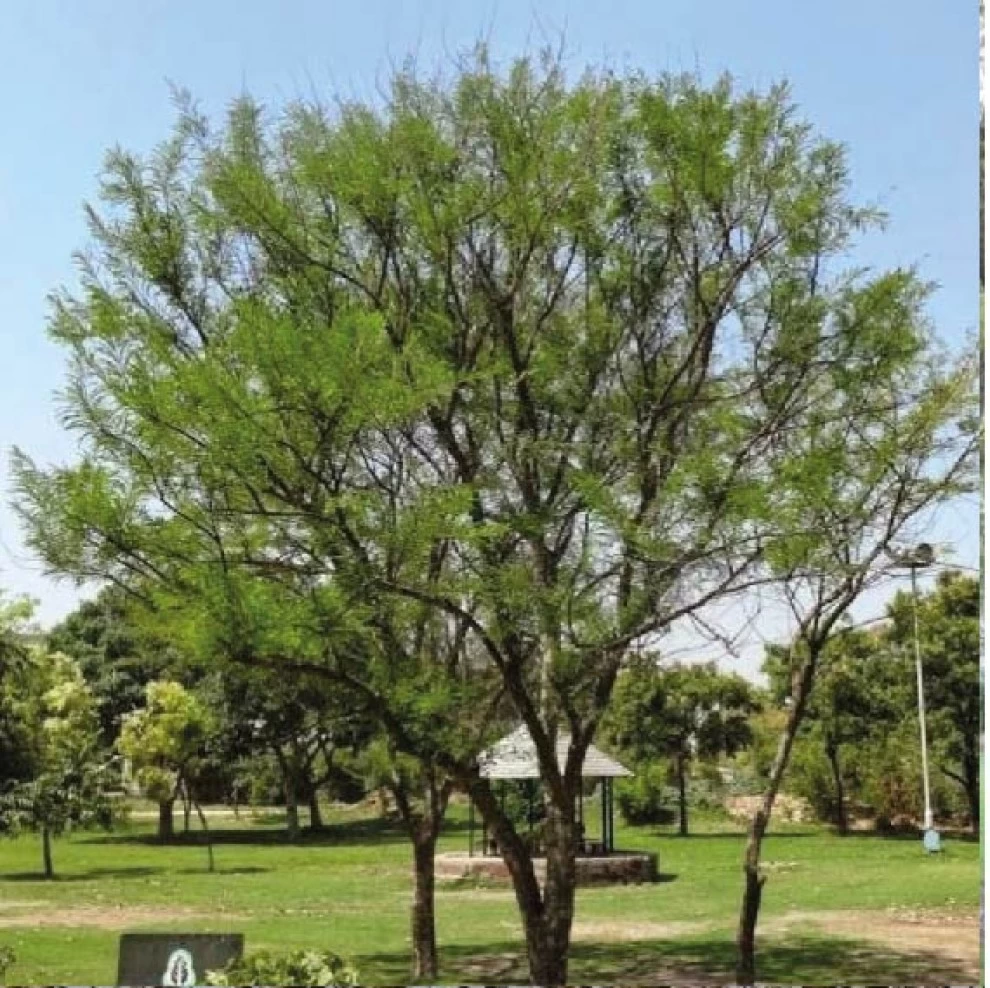
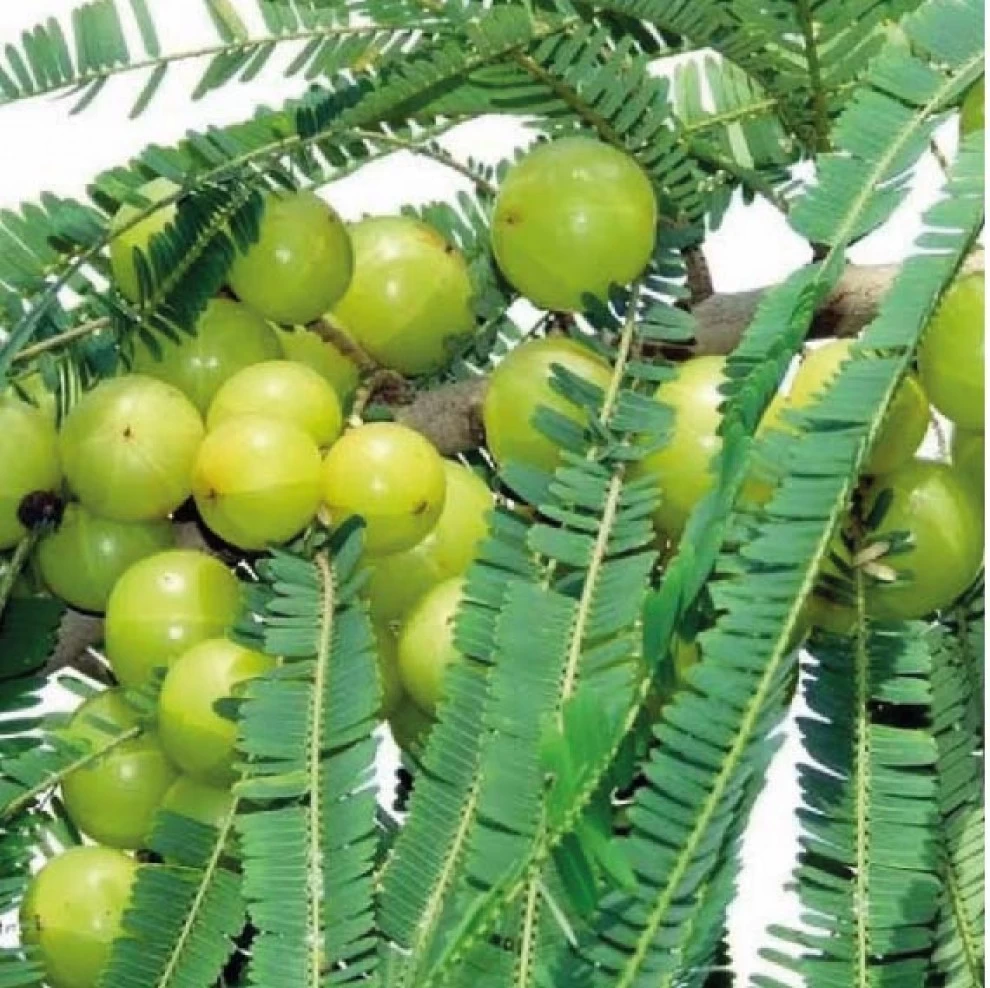
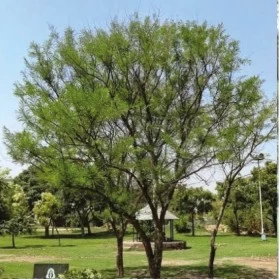
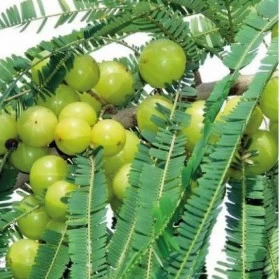
A tropical fruit tree from the Amlaceae family, it is a small, deciduous perennial reaching up to 5 meters in height. Its light green, pinnate leaves grow along the branches, reaching up to 20 cm in length. It is cultivated for ornamental purposes and for its highly nutritious fruit.
• Amla Flower:
Its flowers are small and greenish-yellow.
• Amla Seeds and Fruit:
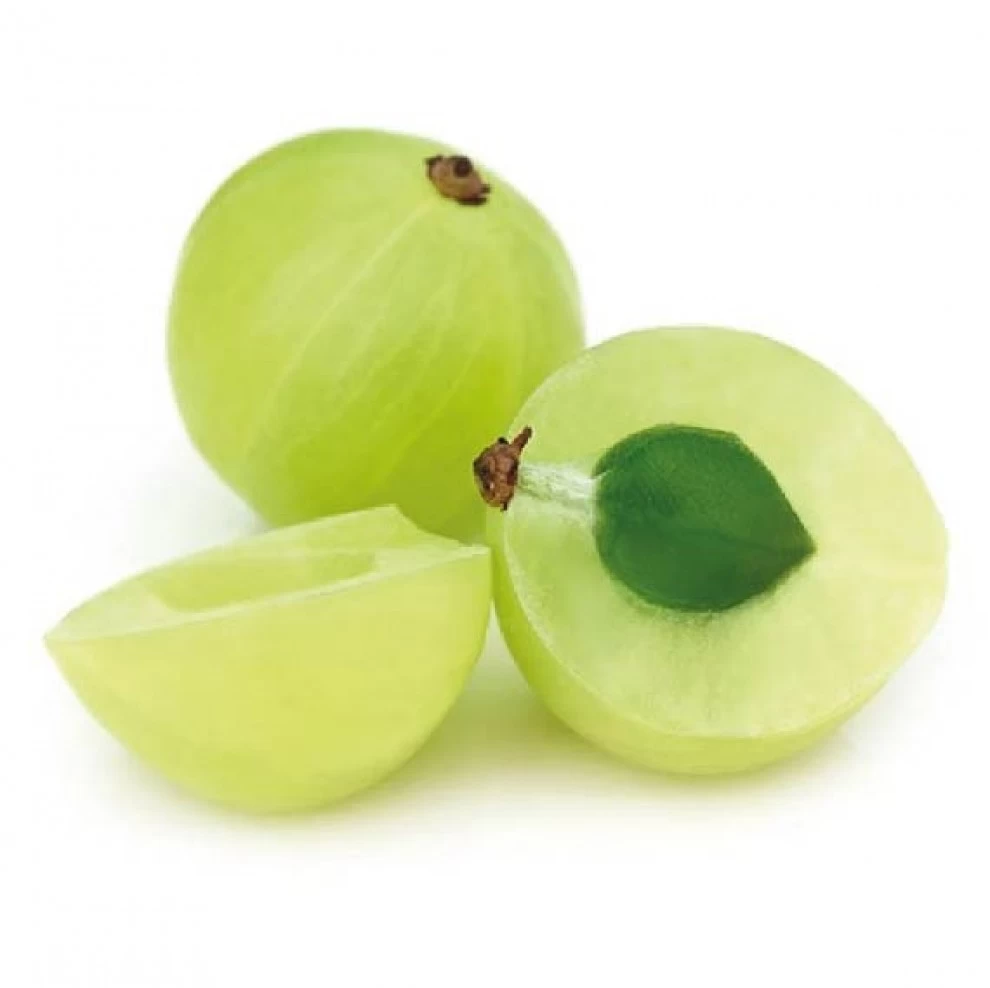
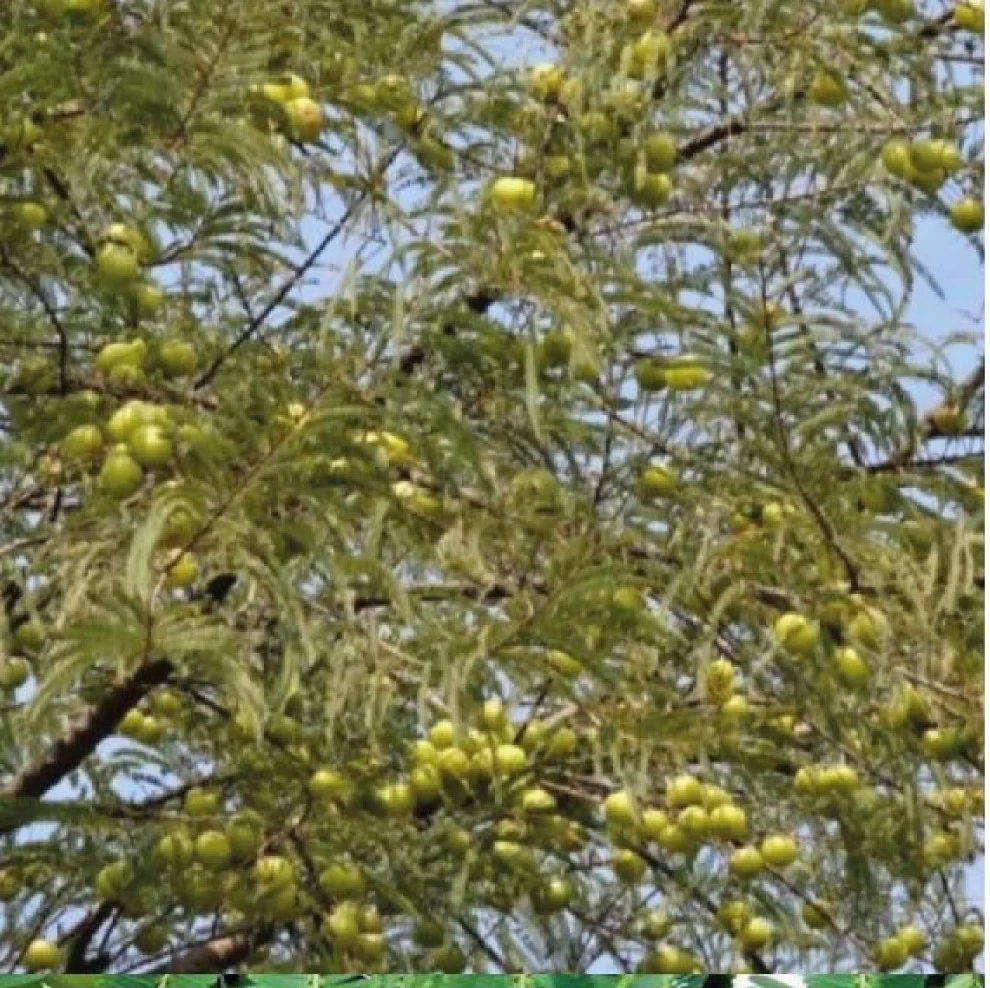
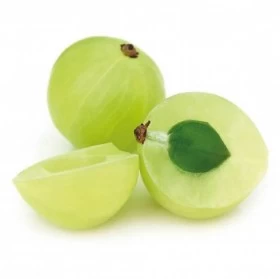
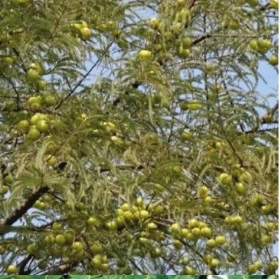
Its fruits are small and fibrous, not exceeding 0.5 cm in diameter. They ripen in autumn, are yellow and spherical with a smooth texture, have 6 vertical lines, and a bitter and acidic taste. Inside are oval, brown seeds.
• Amla Cultivation Season:
It is planted outdoors in In spring, it can also be grown year-round in greenhouses, enclosed spaces, or plastic tunnels with controlled temperatures and adequate sunlight or artificial lighting.
• Suitable Climate and Soil for the Indian Mulberry (Amla): The Indian mulberry is a sun-loving plant that thrives in temperate climates and well-drained, fertile soil.
• How to Grow the Indian Mulberry (Amla): It can be propagated by cuttings or by seeds sown 1-2 cm deep. Water regularly and fertilize twice a year.
• Benefits and Uses: Amla oil is extracted from the Indian mulberry, which is also highly nutritious and considered a key plant in traditional Indian medicine.
• Native Habitat of the Indian Mulberry (Amla): South Asia, from where it spread to many parts of the world.