English Lavender
Lavandula angustifolia
Also known as narrow-leaved lavender
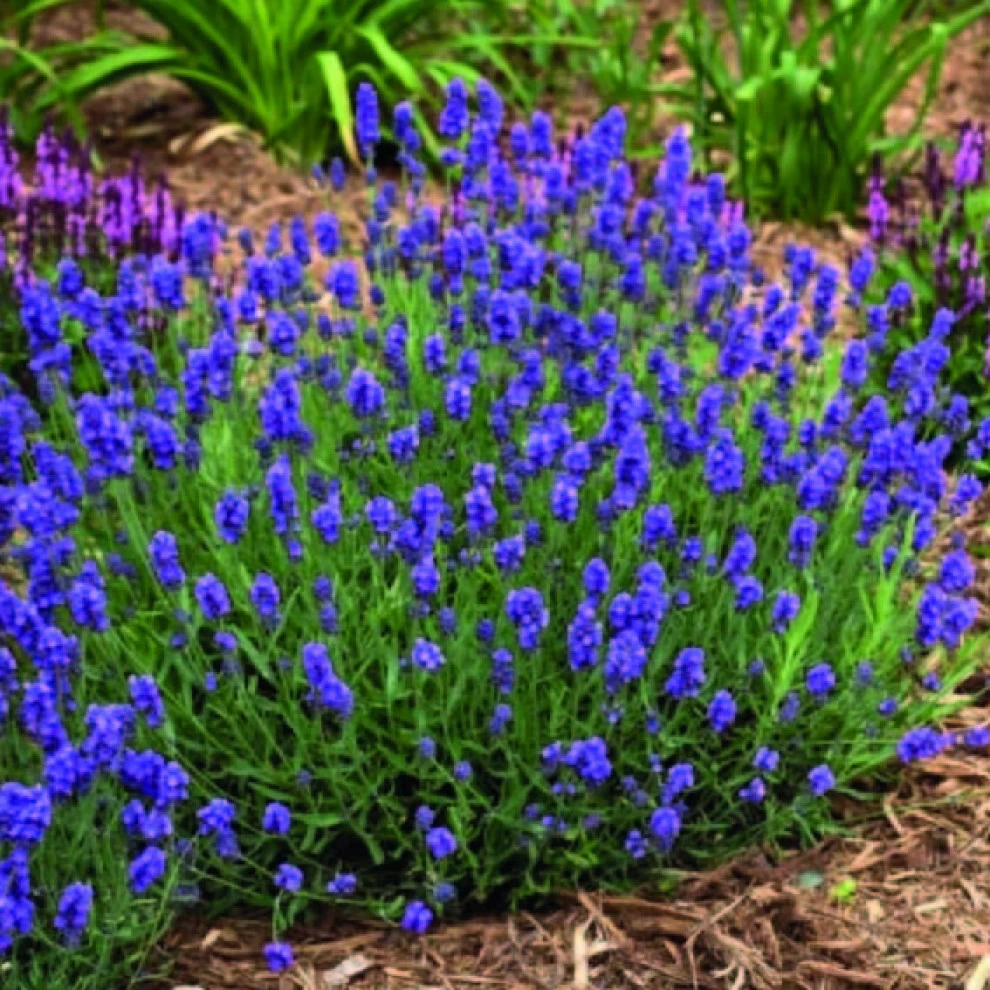
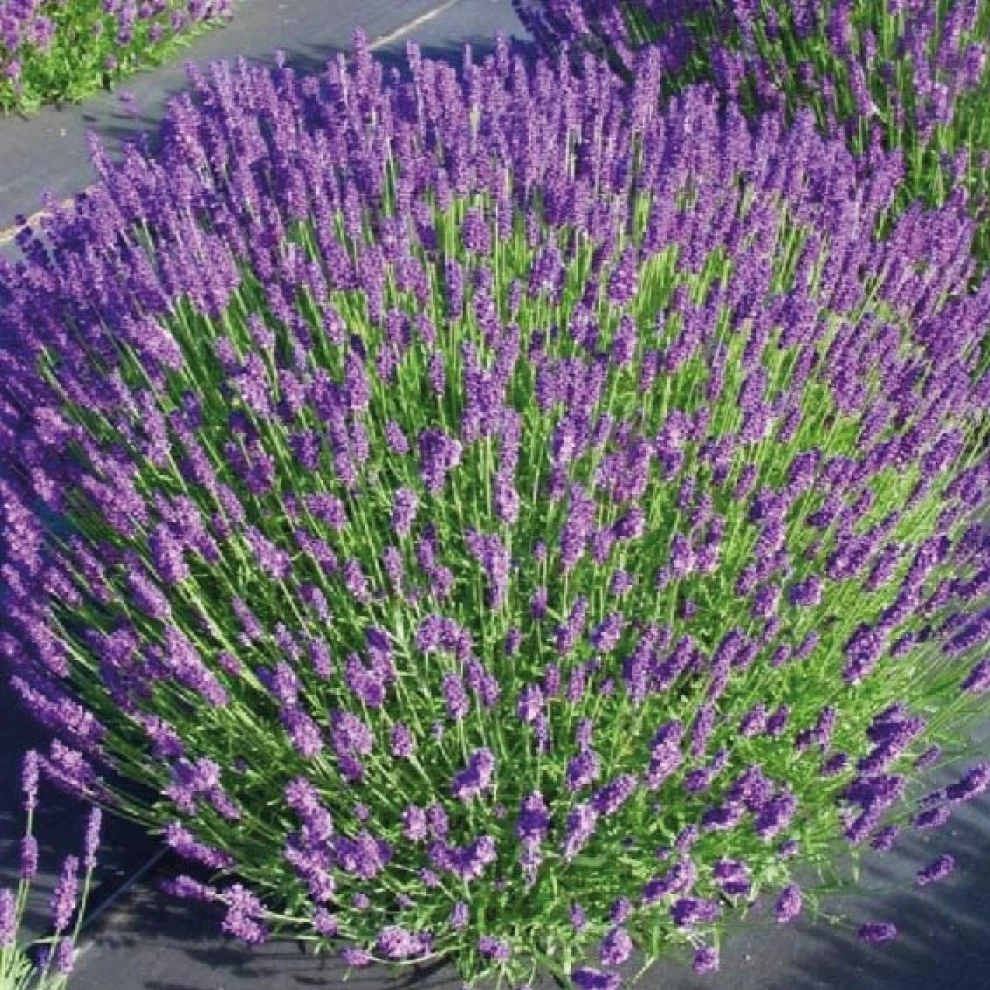
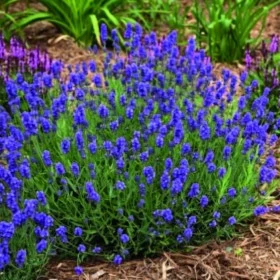
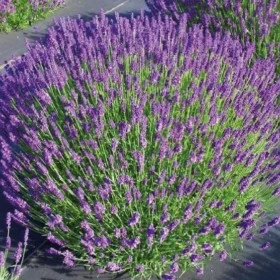
Common lavender is a subshrub with a strong fragrance, typically reaching a height of 40 cm with proper care, but it can also grow up to 100 cm. Regular pruning encourages branching in this dwarf shrub; otherwise, its growth becomes sprawling. The leaves are semi-evergreen, lanceolate, and range in color from gray to silvery. The roots are shallow to deep.
• English Lavender Flower:
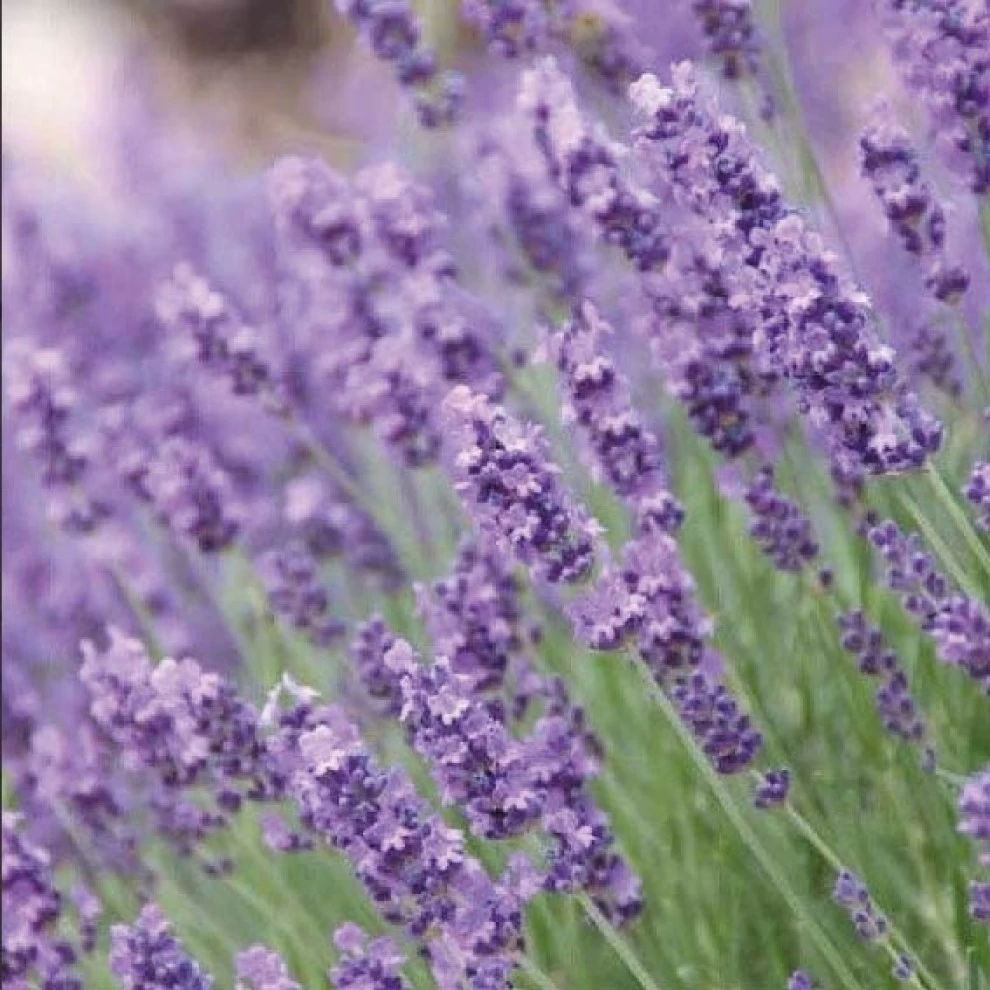
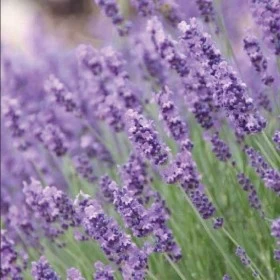
The plant blooms from June to August, displaying blue and purple flowers and a strong, fragrant aroma.
• English Lavender Seeds:
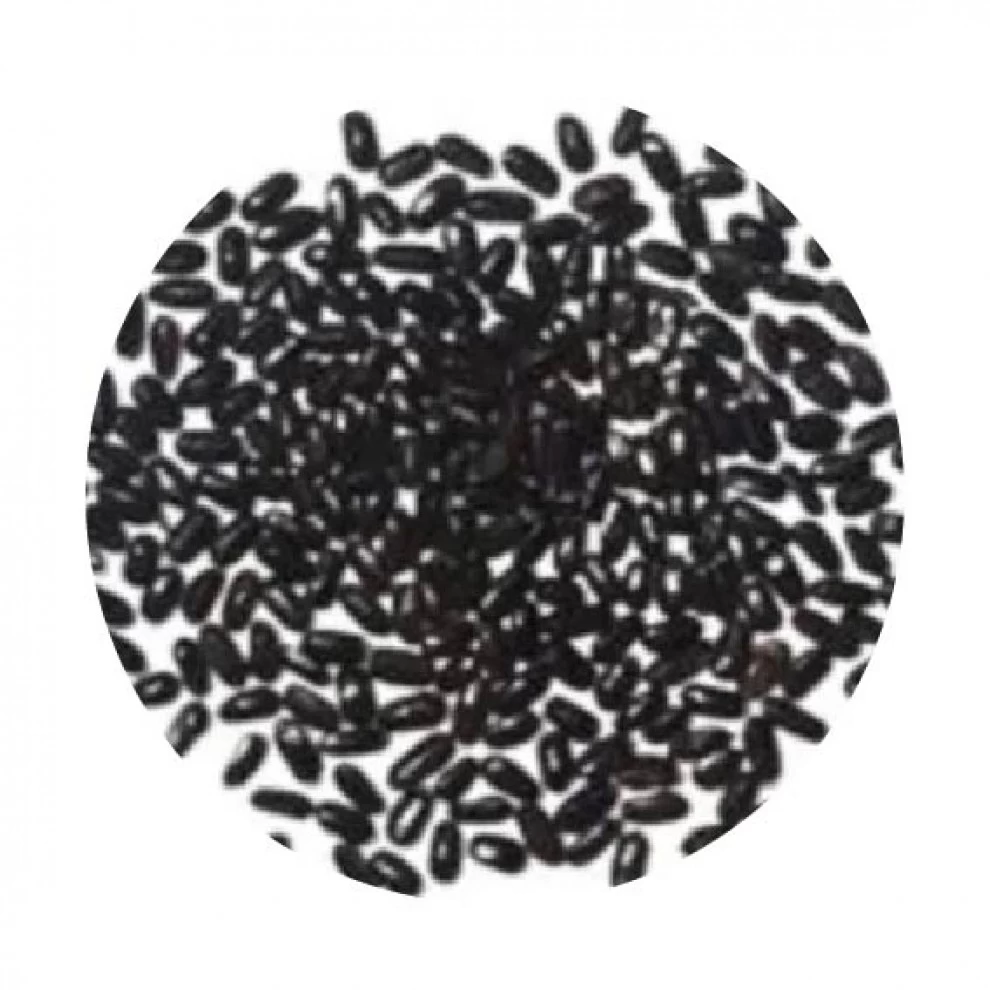
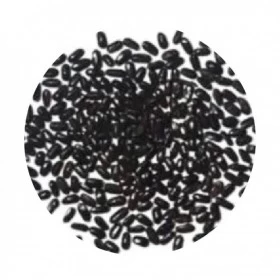
The seeds are small, 0.2 cm in size, and black in color.
• English Lavender Germination Season:
English lavender seeds are sown in spring and autumn, and can also be grown year-round in temperate regions and greenhouses.
• Suitable Climate and Soil for Growing English Lavender:
The ideal climate for growing English lavender is warm or temperate, avoiding extreme cold or heat, as well as high humidity. It adapts to most soil types but prefers fertile loam soil.
• How to Grow English Lavender:
Sow the seeds in the soil at a depth of no more than 1 cm and water regularly until germination.
• Benefits and Uses of English Lavender:
It is used for decoration in homes, gardens, and parks, and also has other uses. In the medical field.
• The native habitat of English lavender:
Europe and the Mediterranean region.