All orders are delivered within 48 hours
For any inquiries, you can contact us on WhatsApp 99222292
You can order via WhatsApp and pay via the link
Pay online



2 People are viewing this product right now


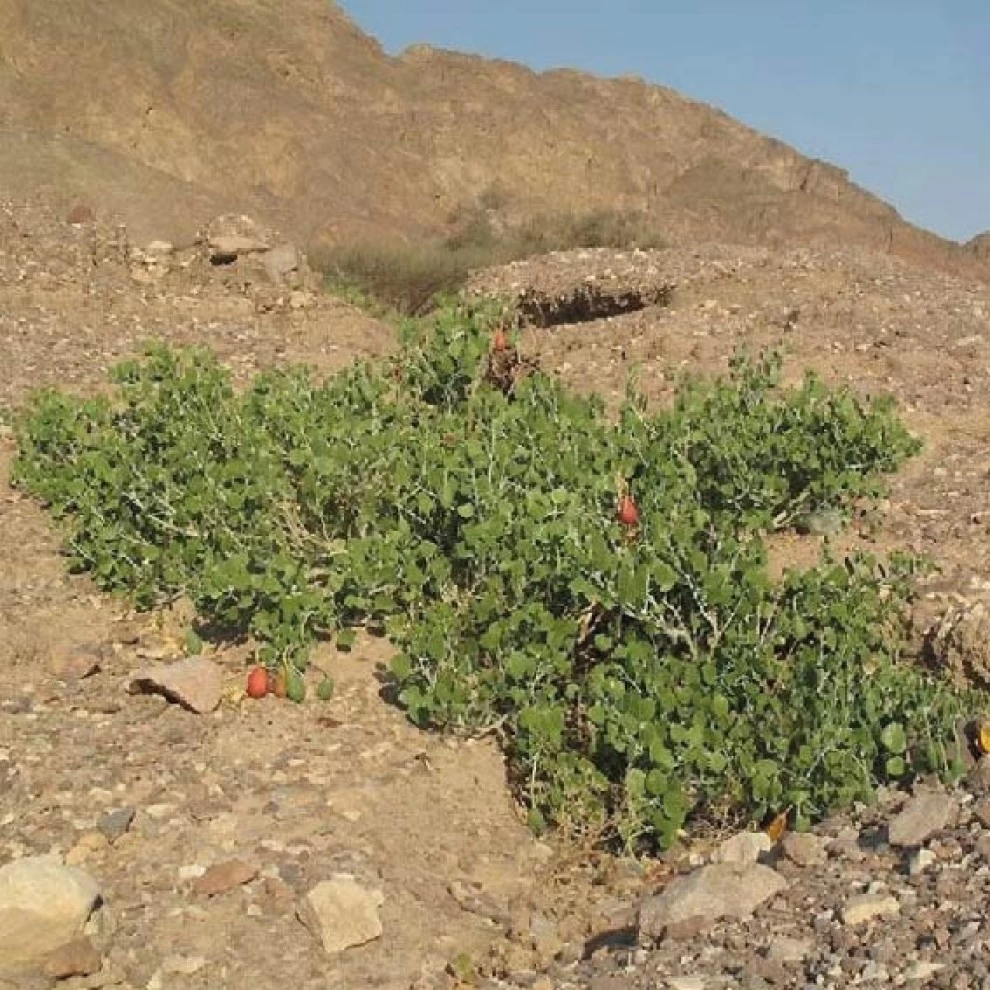
Common Name: Mountain Caper (Capparis cartilaginea decne)
The mountain caper, also known as the mountain hollyhock, is a perennial, thorny shrub that can exceed one meter in height. It has numerous branches and pale green, almost circular leaves. It is a nectar-producing plant that attracts bees and thrives in hard soils and mountainous regions. Flower of the Mountain Caper:
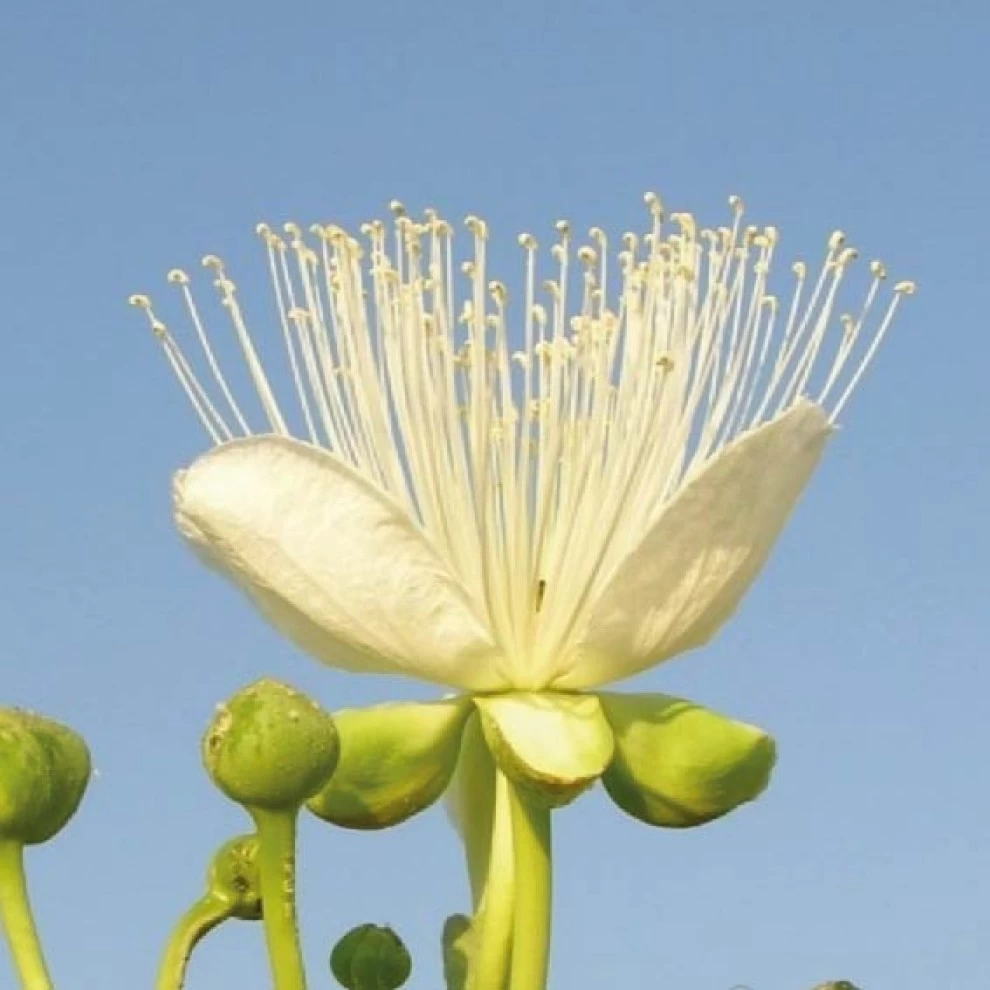
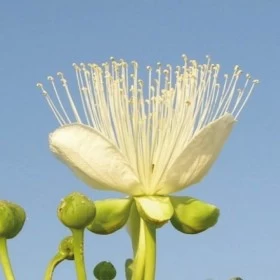
Its flowers are ray-shaped and white, and are also nectar-producing. It blooms in spring and early summer. Seeds and Fruit of the Mountain Caper:
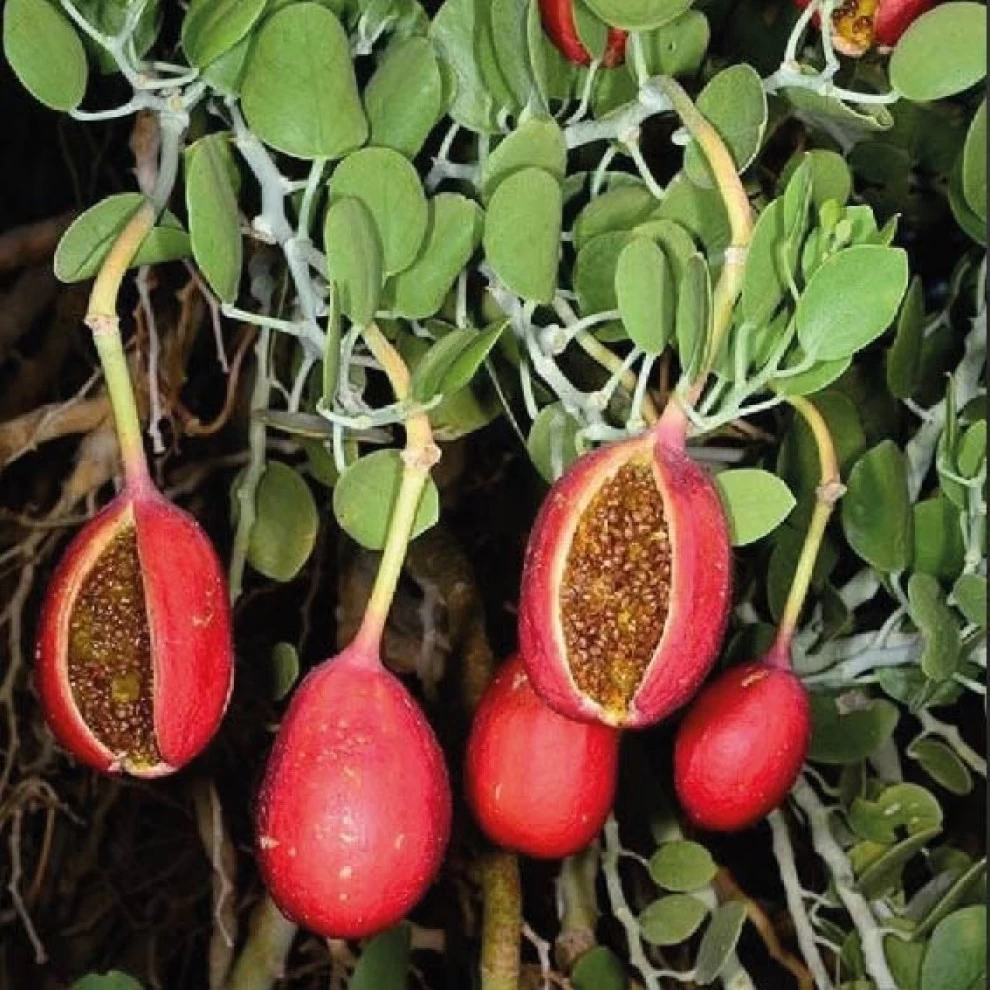
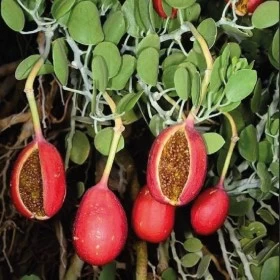
Its fruits are oval-shaped, green when young, and turn red when ripe. Inside are small, dark-colored caper seeds. Planting Season of the Mountain Caper:
It is planted in spring and late winter. It can also be grown year-round in greenhouses, enclosed spaces, or plastic greenhouses with controlled temperatures and sunlight. Lighting requirements for the plant.
Suitable climate and soil for growing caper (Cypriola japonica):
Capriola tolerates both cold and high temperatures. It thrives in rocky and mountainous terrain, and the mountainous regions of southern Saudi Arabia are considered an ideal environment for its cultivation.
How to cultivate caper (Cypriola japonica):
It is propagated by seeds sown at a depth of no more than 1 cm from the soil surface, and also by cuttings.
Benefits and uses:
Capriola is a nectar-producing plant, characterized by the nectar of its flowers, which is collected by bees.
Native habitat of caper (Cypriola japonica):
Southern Saudi Arabia and the mountainous regions of the Mediterranean basin.


