Acacia tortilis (Acacia gerrardii )
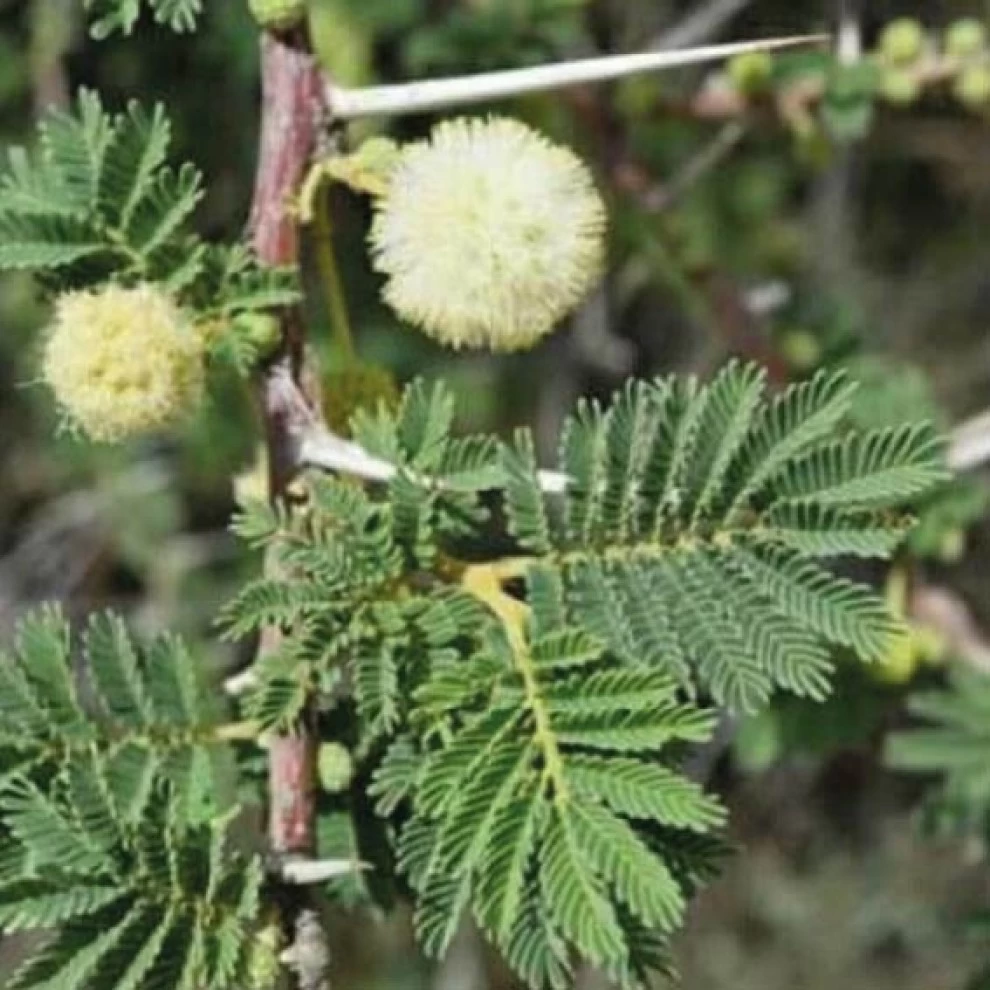
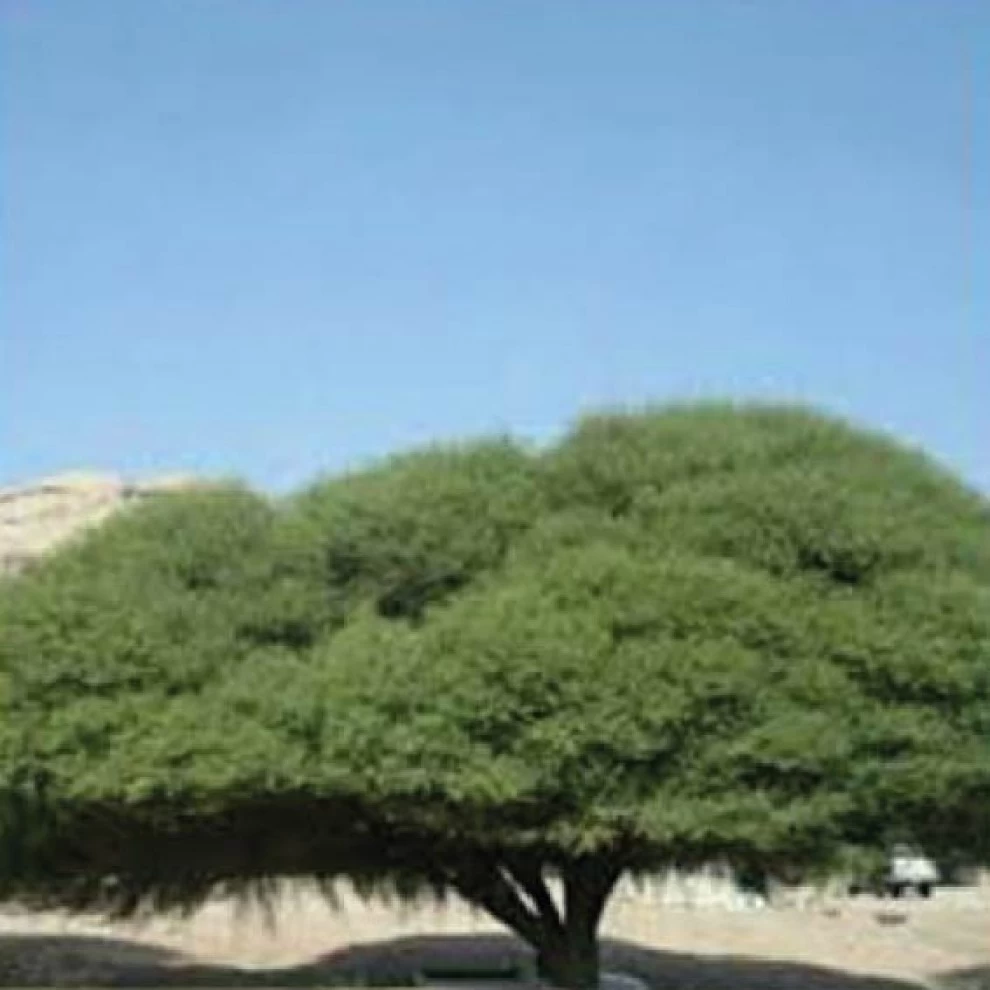
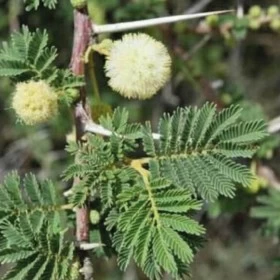
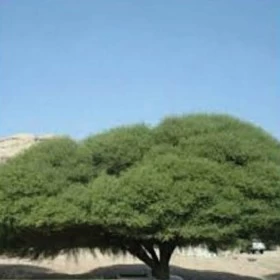
Acacia tortilis trees are diverse, with thorny branches and dark-slitted bark. They grow in low-lying areas, valleys, and watercourses. The trees have a flat top and a single, wrinkled, red trunk. Younger branches are covered with dense, gray hairs and bear numerous white thorns in pairs. The main trunk of mature trees is thornless. They reach a height of 8 to 10 meters and are deciduous.
• Acacia tortilis flower:
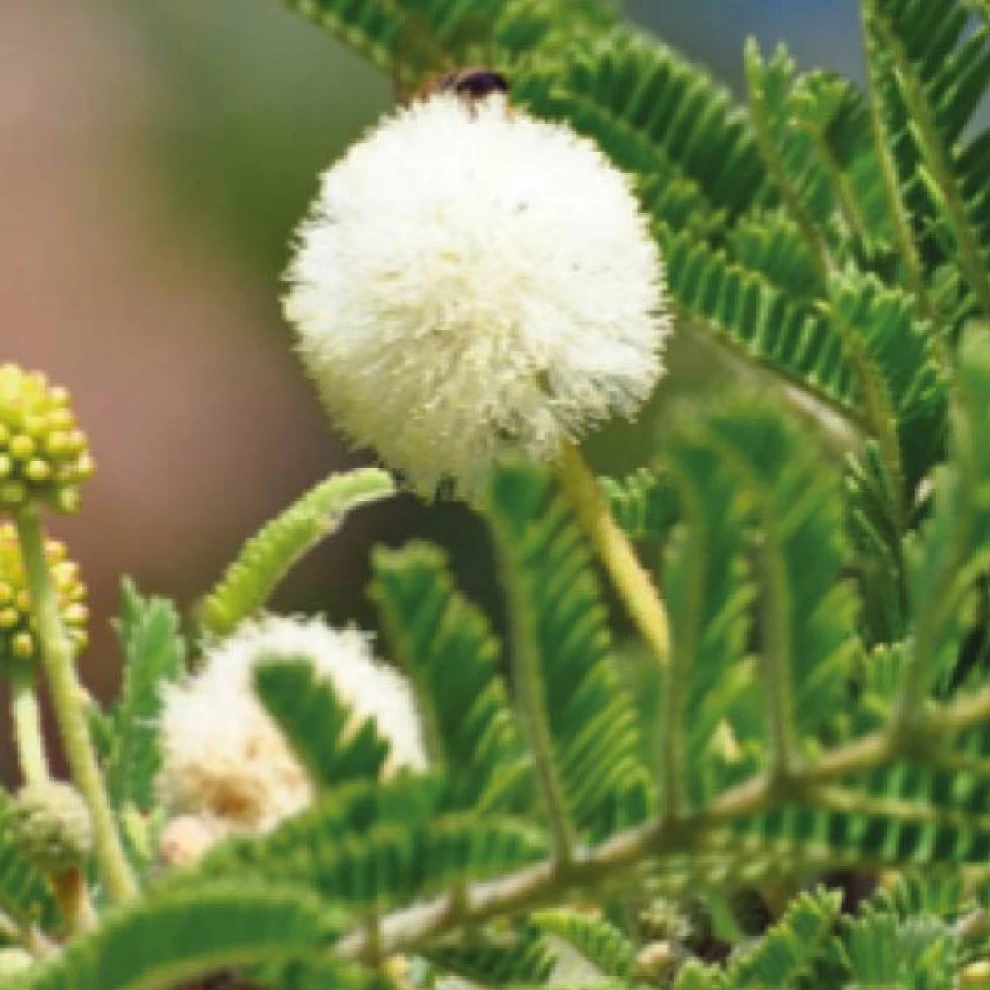
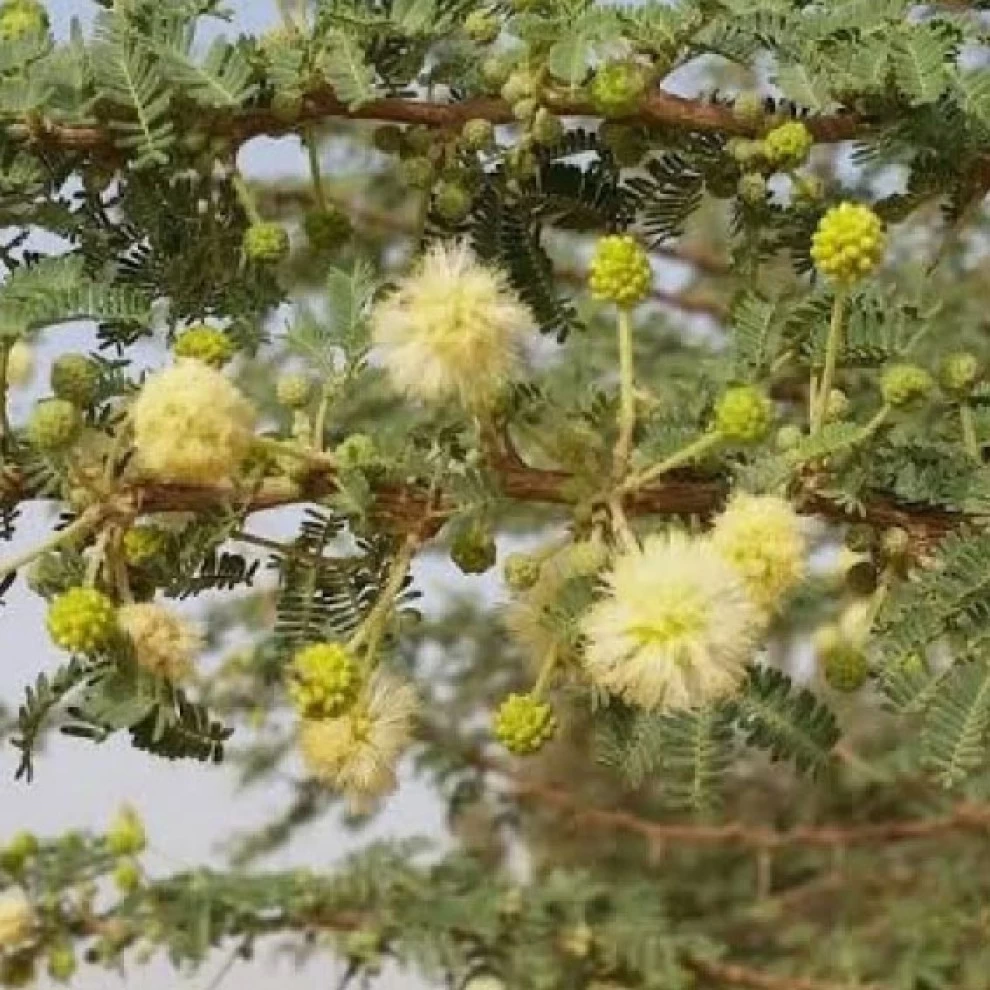
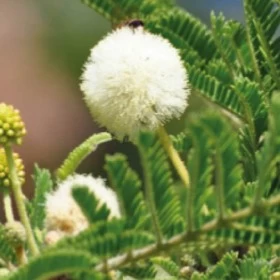
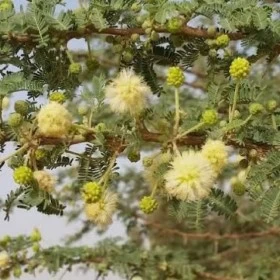
The flowers appear in round, white to yellowish inflorescences with a pleasant fragrance from October to February.
• Acacia tortilis fruit and seeds:
The fruits are curved, elongated pods, each reaching up to 15 cm in length, with a curved tip and a red color.
• Acacia tortilis germination season:
The germination season is in March and April, as well as in October and November. The climate is moderate and suitable for most seeds, especially wild seeds.
• Suitable climate and soil for the Acacia tortilis tree:
It tolerates harsh climatic conditions, such as heat, thirst, and drought.
• How to plant the Acacia tortilis tree:
It is preferable to soak the seeds in warm water for several hours or carefully scarify them before planting. The seeds should be planted in the soil at a depth not exceeding 1 cm, and watered regularly until germination.
• Benefits and uses:
It is one of the best trees for combating desertification. It also has medicinal uses, and its flowers are used for beekeeping, which helps in the production of various types of honey.
• Native habitat of the Acacia tortilis tree:
Its native habitat is the Arabian Peninsula desert.