All orders are delivered within 48 hours
For any inquiries, you can contact us on WhatsApp 99222292
You can order via WhatsApp and pay via the link
Pay online





Botanical classification:
Scientific name: Spathodea campanulata
Family: Bignoniaceae
Botanical description:
The African tulip tree or African tulip or Spathodea is a distinctive ornamental tree, characterized by the beauty of its appearance, and the splendor of its dark red flowers. Many painters and artists intend to draw this tree for its wonderful appearance and charming flowers. It is considered a strong tree that does not need care and attention
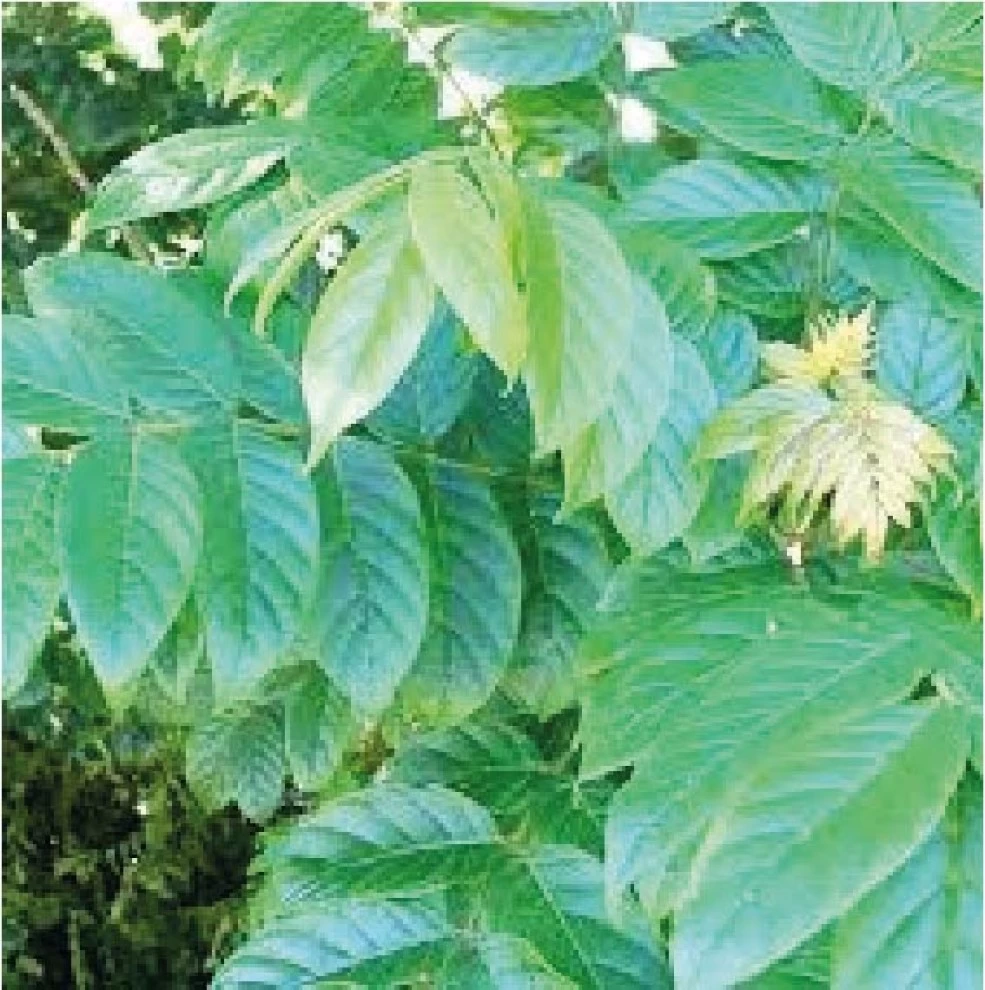
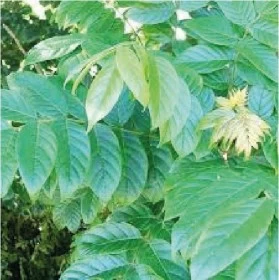
The tree grows to a height of 7-25 meters (23-82 feet). Its original habitat is the dry tropical forests of Africa. It is an evergreen or semi-deciduous tree with a dense, dense, oval crown. The trunk tends to become hollow, and large branches descend as the tree ages. Thick branches. Leaves are usually opposite (rarely 3 at the node), very widely spaced up to 50 cm long, leaflets ovate, with 7-8 main veins on each side, swollen and prominent beneath, base somewhat obtuse, lower leaflets tending to reflex, closely spaced structure, petiole up to 6 cm long, thick at base. Raceme 8-10 cm long on a peduncle of about the same length, with a pair of reduced leaves about halfway up. Flowers:
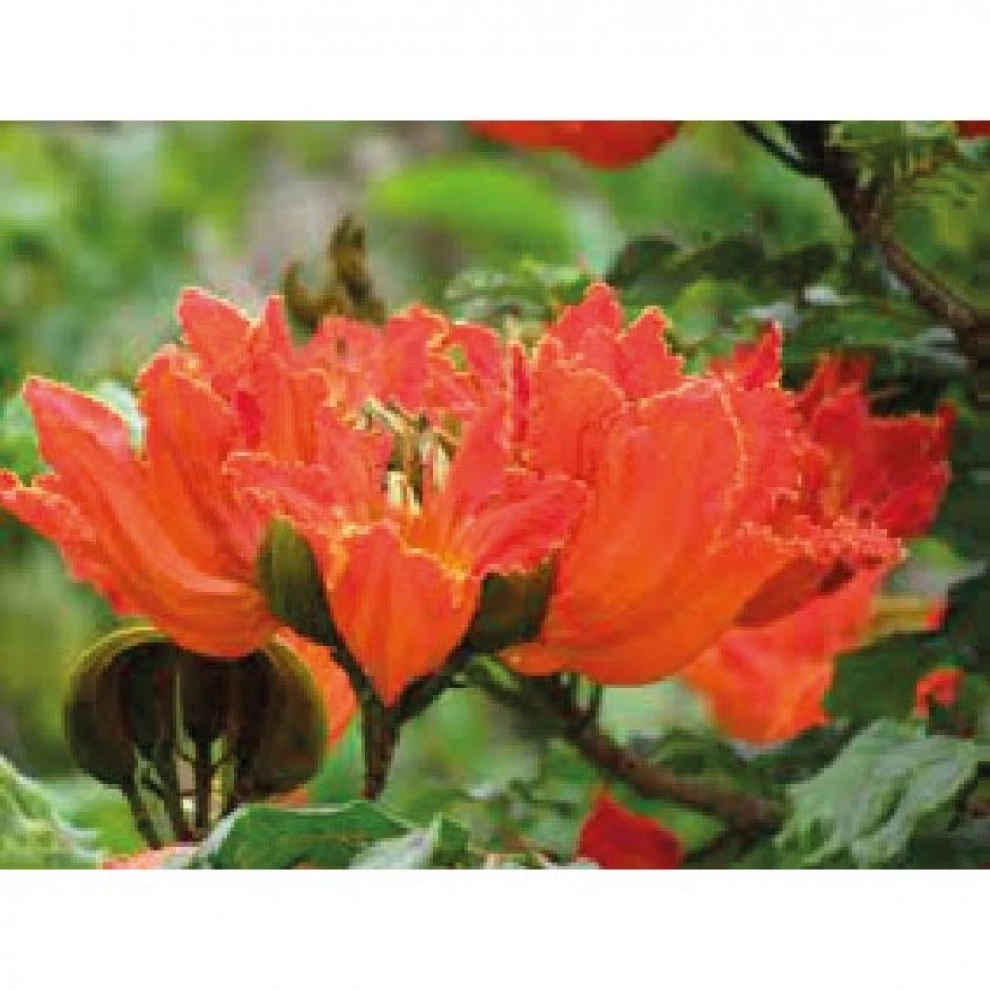
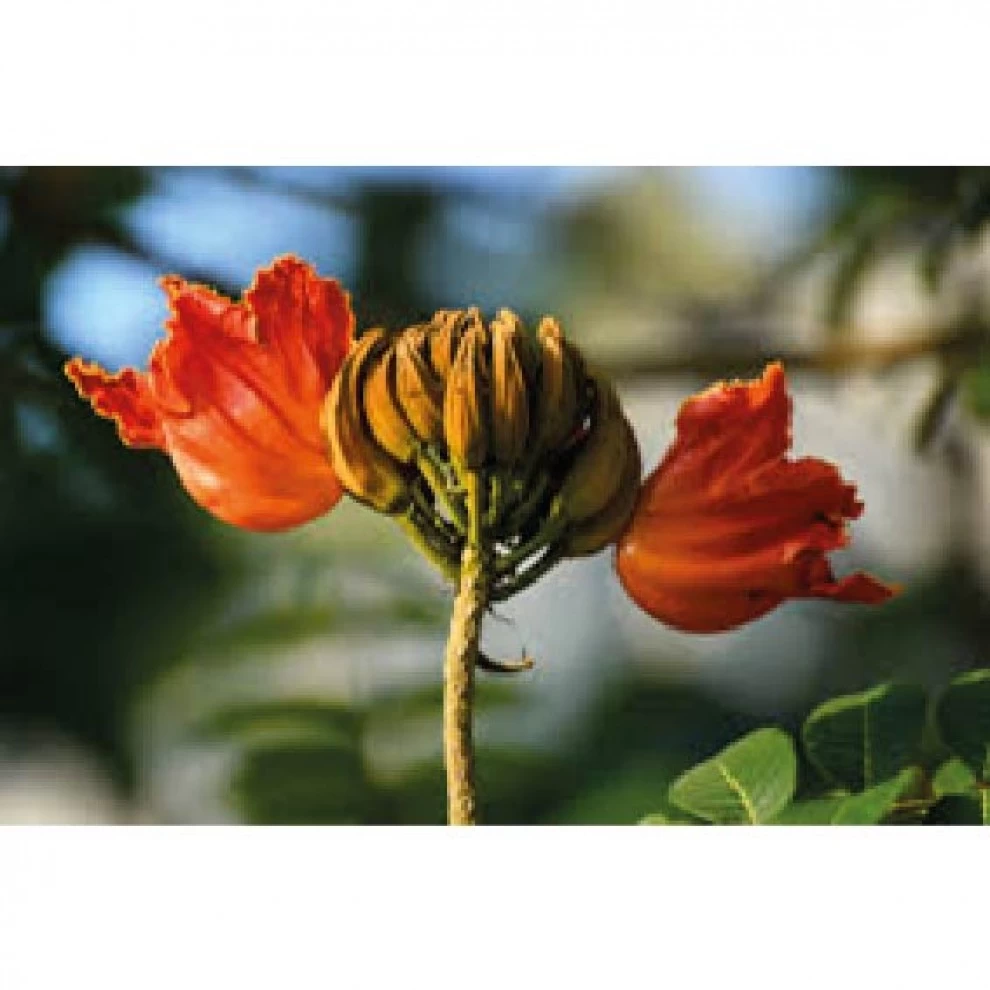
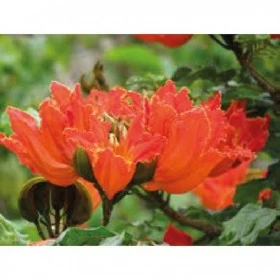
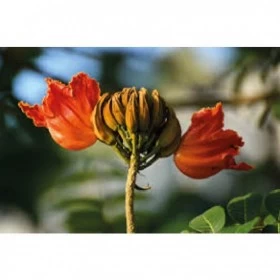
The large, showy flowers are arranged in dense clusters (8-10 cm long) at the tips of the branches on stems up to 10 cm long. The individual flowers are borne on short stalks covered with brown hairs. These flowers have sepals which fuse into a horn-shaped structure which splits on one side when the flowers open. This distinctive horn-shaped cup is upwardly arched, somewhat ribbed and brown in colour (about 5 cm long). The reddish-orange petals (10–12 cm long) are also fused together and are shaped somewhat like a tulip (i.e. tubular). The flower mouth is about 7 cm across and has several indistinct lobes with yellow-coloured, wrinkled edges. Each flower also has four stamens with large, dark brown anthers (about 15 mm long) which are borne on stalks about 5 cm long. They also have a long yellow style (8 cm long). Flowering occurs throughout the year, but usually peaks during spring
March–April
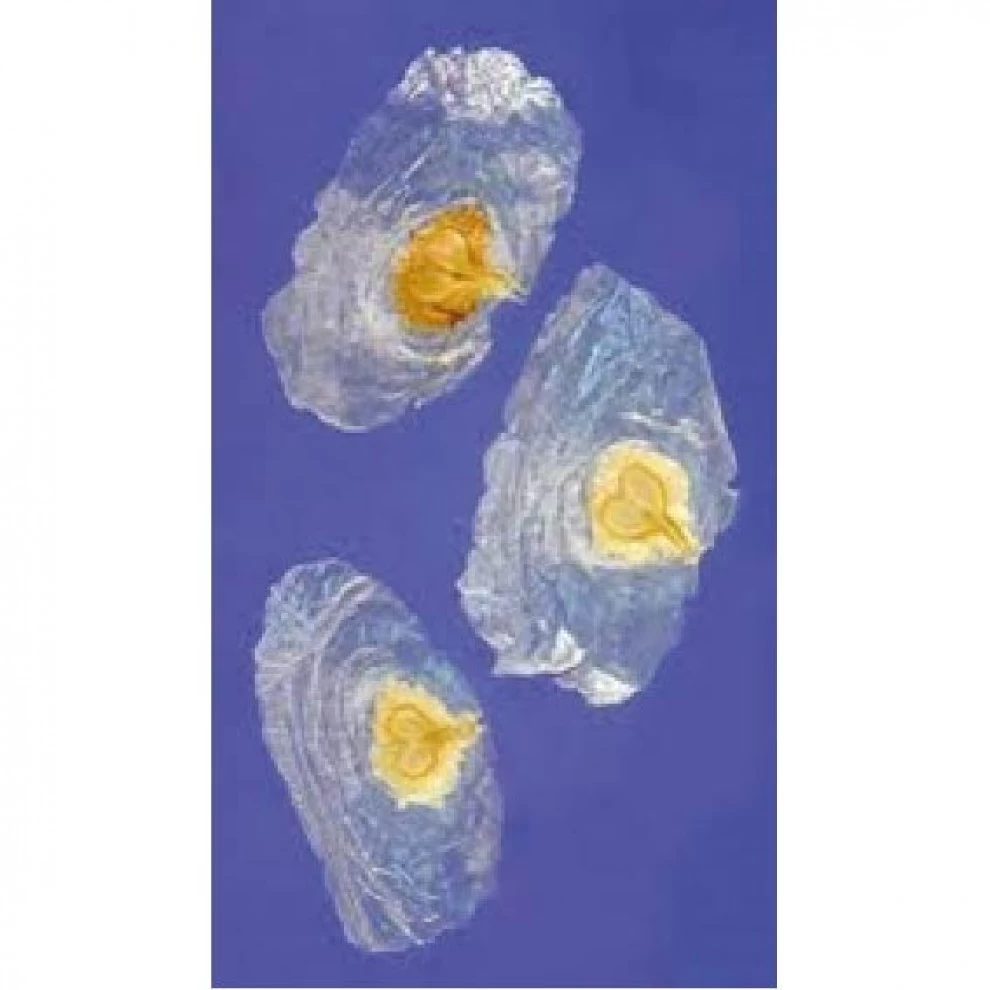
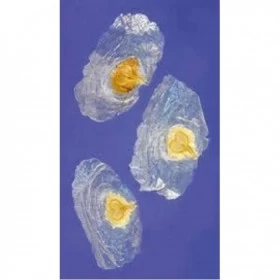
The large, oblong capsules (17–30 cm long and 3.5–5 cm wide) resemble pods. They are slightly flattened and turn from green to brown as they mature. When mature they split and release about 500 papery seeds. These seeds are very light and surrounded by a transparent membrane wing (i.e. semi-transparent.
Climate conditions and soil suitable for cultivation:
1- Spring is the best time for the growth and flowering of the African lavender tree, as it prefers relatively cold climates.
2- It grows in rich soil and tolerates slight salinity.
Reproduction:
This plant reproduces mostly by seeds, which are light and usually released from a great height
Seeds are often scattered by wind, but may also spread by water (if the plants grow along waterways, they grow best in rich, deep soil, but the plants are very tolerant of poorer conditions. Plants tolerate moderately salty conditions
Benefits of African lavender:
1- African lavender has medicinal uses, and it is also one of the most beautiful ornamental and shade trees.
2- Its wood is used in making drums and is also used for digging because of its softness.
3- The hard part of the fruit is used as a poisonous substance to kill insects. Tree bark.
4- It contains a disinfectant and laxative Natural
Watering: Regular watering is required during dry periods.
Fertilization: Regular fertilization is recommended to promote plant growth and flower quality.
Orientation: The tree may need orientation to achieve an even and beautiful growth structure.


