All orders are delivered within 48 hours
For any inquiries, you can contact us on WhatsApp 99222292
You can order via WhatsApp and pay via the link
Pay online



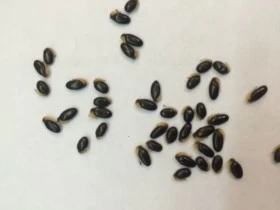
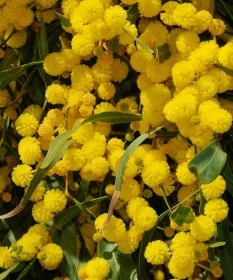
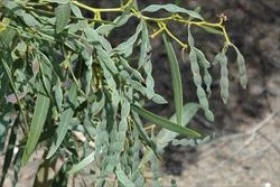
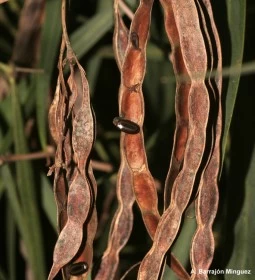


Acacia saligna (15 seeds)
Botanical description:
Acacia saligna also known as orange grass, blue-leaved grass is a small tree in the Fabaceae family. It is native to Australia.
The acacia plant grows as a small, dense, spreading tree with a short trunk. It reaches a height of eight meters. Like many acacia species, it has foliage instead of true leaves. It is fast-growing and drought-resistant. Ants distribute its seeds and store them in their nests to eat the seed stalks. Disturbing the soil brings them to the surface and allows them to germinate. The seeds germinate easily, and hundreds of seedlings can sometimes be found under the tree. It often grows more than a meter per year.
Distinctive features
1. A shrub or small tree with simple "leaves" that are green or bluish-green in color.
2. Its young branches and "leaves" are drooping in nature.
3. Its relatively narrow "leaves" (usually 7–30 cm long and 2–20 mm wide) are either straight or sickle-shaped.
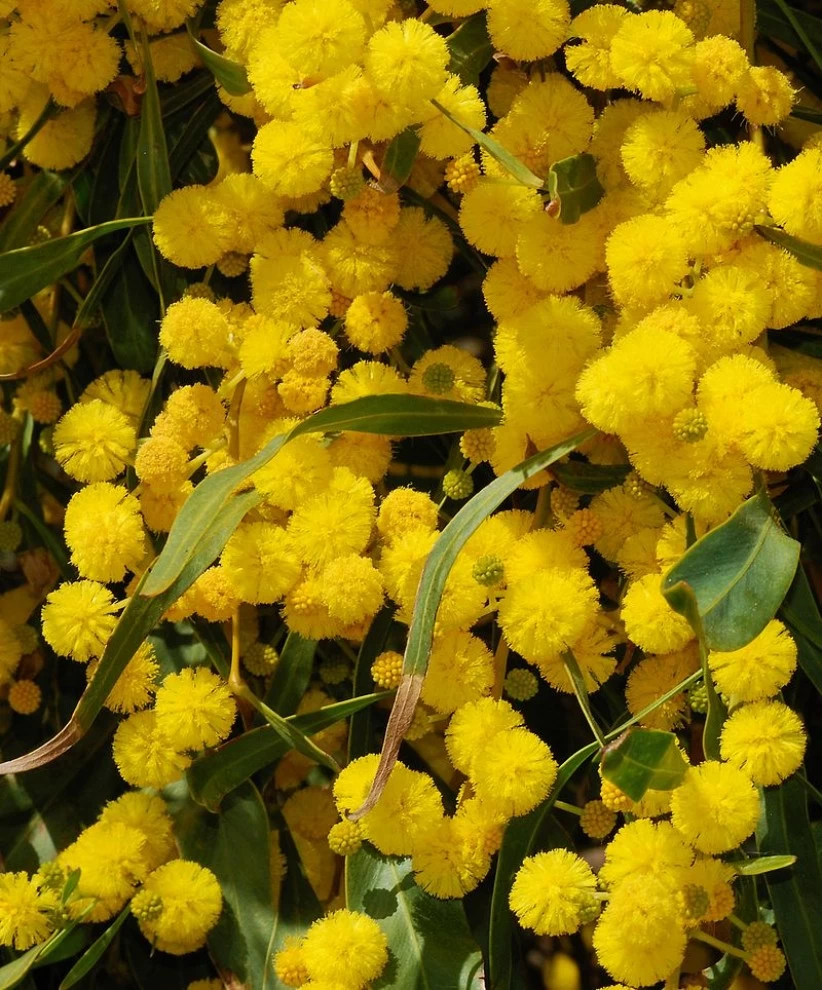
4. Its golden-yellow flowers are borne in small globular clusters (7–12 mm wide) arranged in larger, elongated compound clusters.
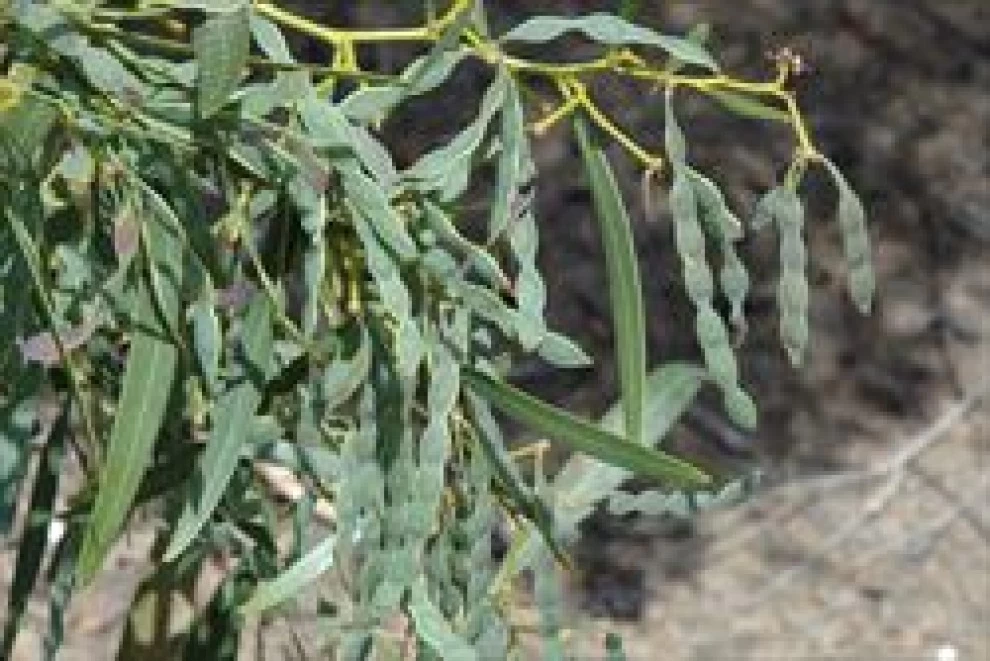
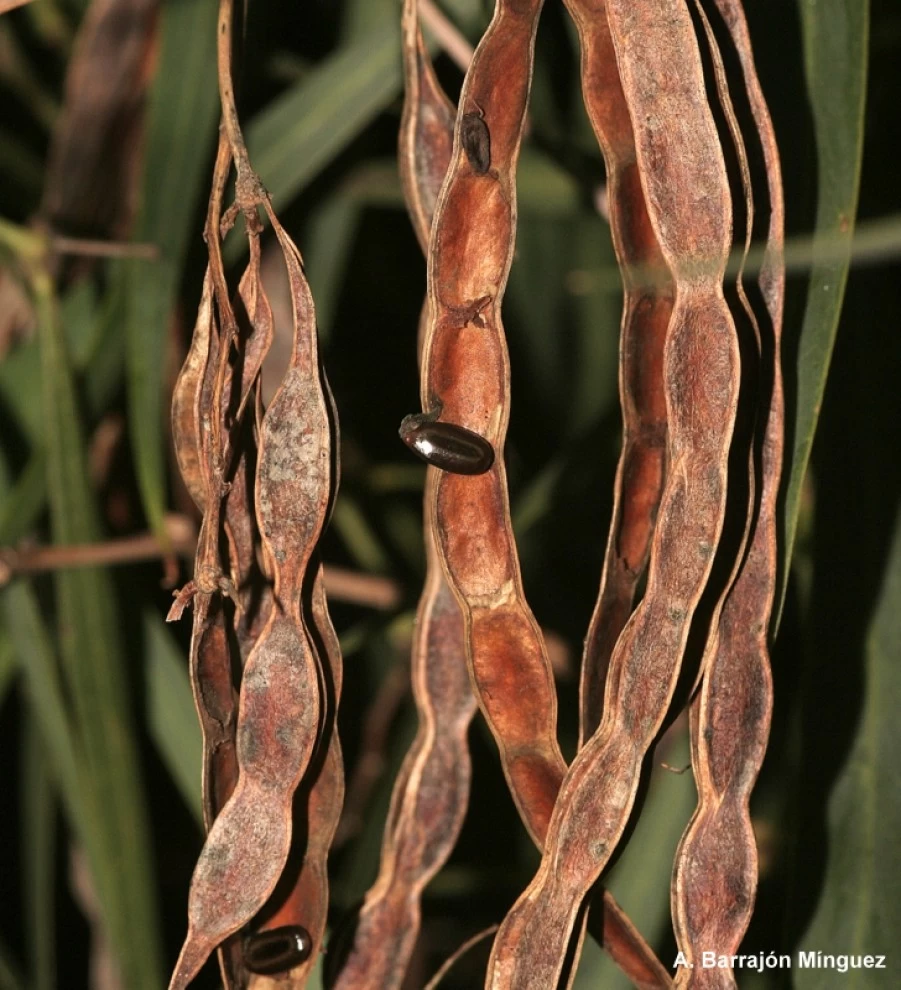
5. The elongated, somewhat flattened pods (50–140 mm long and only 4–6 mm wide) are slightly constricted between each seed.
Flowers and fruits
The small, pale yellow or golden-yellow (or even orange-yellow) flowers appear delicate, have five petals and relatively inconspicuous sepals, and are densely arranged in small globular clusters (7–12 mm across). The small globular flower clusters usually contain 25–55 flowers and are borne on glabrous stalks 4–15 mm long. These flower clusters are arranged alternately along a hairless flowering branch (2–50 mm long) arising from the upper leaf spines (i.e. axils). They form larger elongated compound panicles containing 2-12 small globular flower clusters (i.e. they form racemes). Flowering occurs during late winter and spring (i.e. July to November).
The fruit
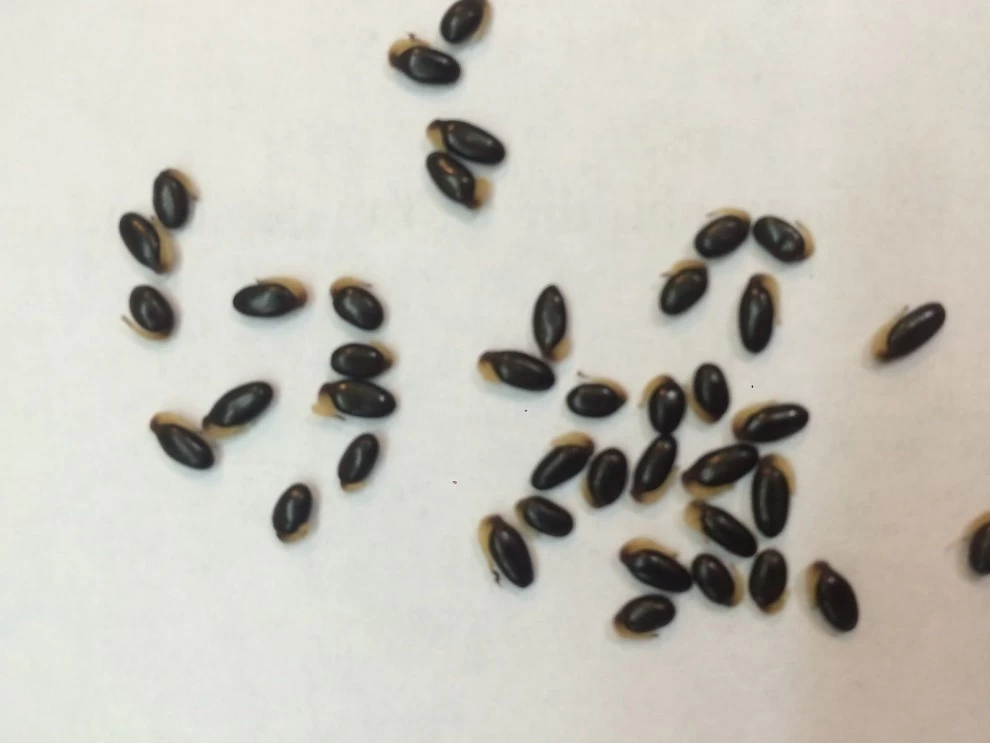
A narrow, very elongated pod (50-140 mm long and 4-6 mm wide) which is hairless (i.e. glabrous) and somewhat flattened. These pods vary from straight to strongly curved, and are slightly constricted between each seed. They are green in colour when young and are sometimes slightly covered with a white powdery substance (i.e. pruinose), which is usually present in late spring and summer (i.e. November to January), on pale-coloured margins and contains 4-10 seeds. The seeds are dark brown or black in colour, oblong or ovoid (i.e. ellipsoid) and have a shiny appearance. These seeds (5-6 mm long and 3-3.5 mm wide) also have a yellowish tinge.
Agriculture:
Cultivation is done by seeds
Suitable soil:
Light (sandy), medium (clay) and heavy (loamy) soil, prefers well-drained soil and can grow in heavy clay and poor-nutrient soil.
Suitable pH: Acidic, neutral and basic (alkaline) soil and can grow in highly alkaline and saline soil.
It cannot grow in the shade. It prefers dry or wet soil and can tolerate drought.
Some of the prominent features of the Acacia saligna tree:
1. 1 - Aesthetic shape: Acacia saligna is characterized by an aesthetic and unique shape, as it has soft branches and long, narrow leaves that give it a sparkling appearance.
2. 2 - Beautiful flowers: Acacia saligna has beautiful yellow flowers, and they often appear in late winter and early spring, making it attractive to many
pollinating insects.
3 - Tolerates dry conditions: Acacia saligna tolerates drought to a large extent


