All orders are delivered within 48 hours
For any inquiries, you can contact us on WhatsApp 99222292
You can order via WhatsApp and pay via the link
Pay online


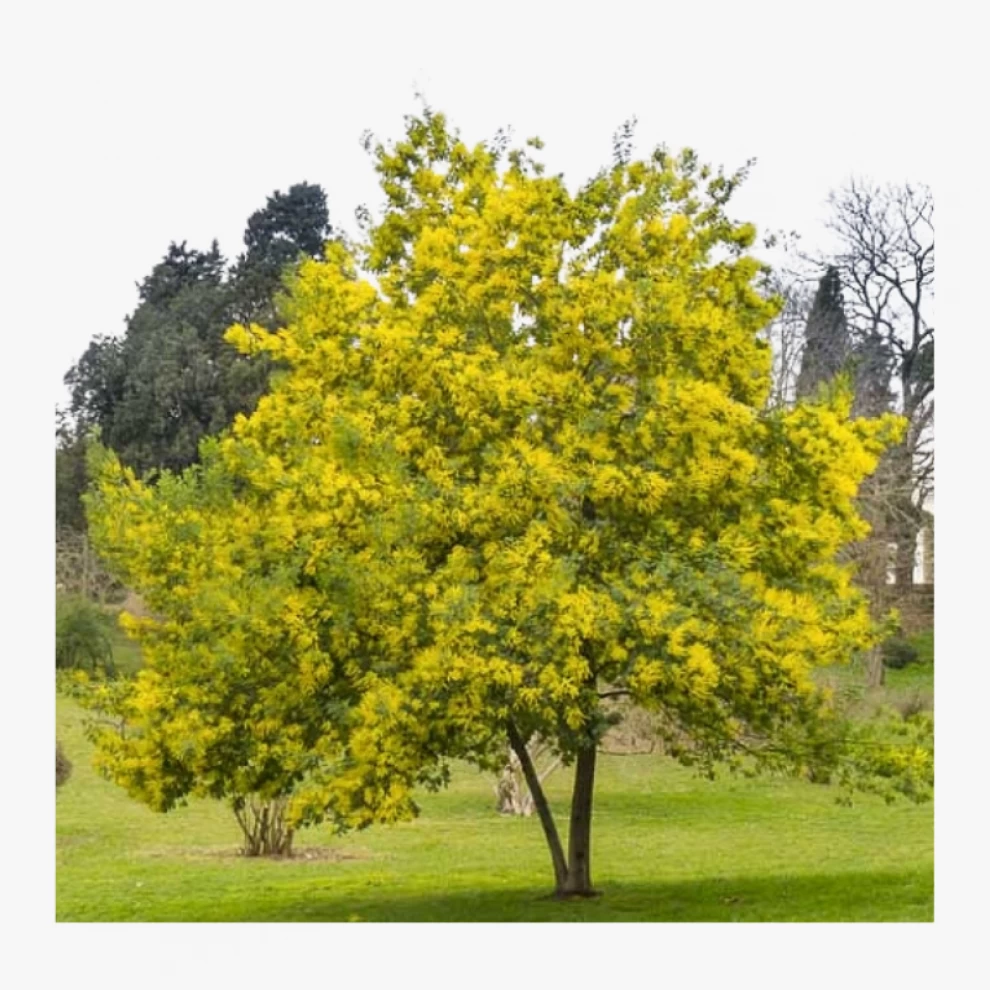
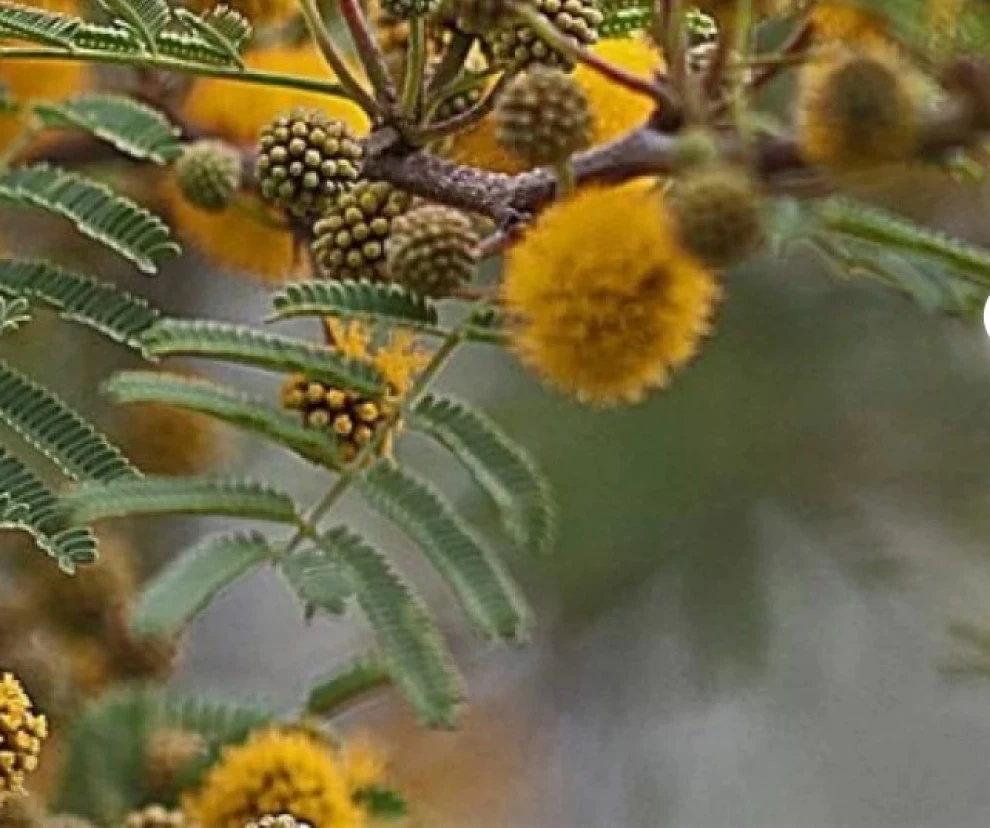
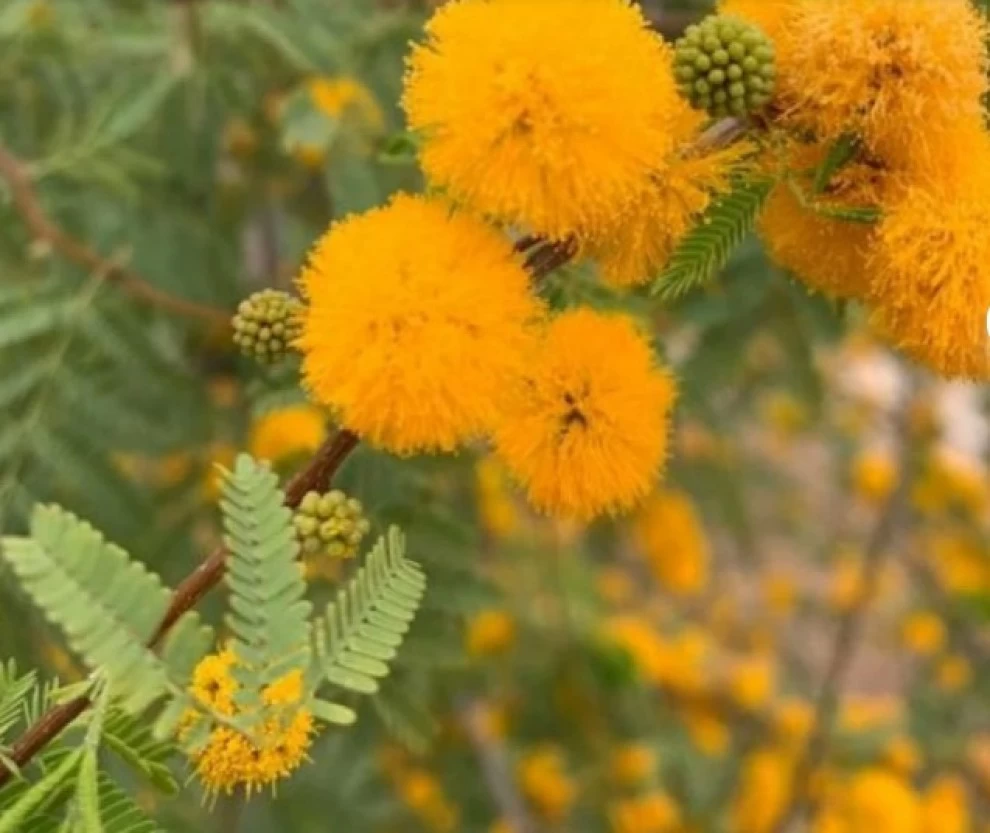

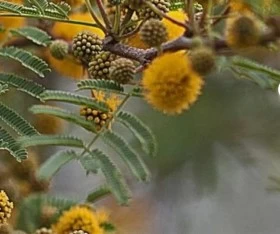
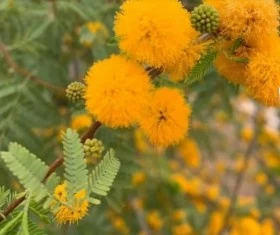


Acacia Farnesiana Seeds (20 Seeds)
Acacia Farnesiana is a fast-growing, thorny tree with extensive branching. It is a deciduous tree with a wide, low crown. Talh al-Fatna is characterized by many medical and nutritional uses. Its flowers are considered among the best flowers in honey production and quality. The most luxurious types of perfumes are made from its fragrant flowers, which bloom throughout the year.
Scientific name: Acacia Farnesiana
Other names: Talh al-Anbari, Acacia al-Fatna, Cassie flower, Mimosa Downs, Sponge flower, Sweet acacia, Prickly acacia.
Family: Acacia.
Native habitat: North America.
Flowers: Spherical in shape, very yellow, fragrant, fragrant, rich in honeydew nectar.
Leaves: Green, arranged in a symmetrical manner, 2 mm long.
Height: May reach 8 meters.
Acacia franciana cultivation and environmental conditions:
Acacia franciana grows in moderate and hot regions, it is also resistant to cold and frost, it has a high ability to resist drought and can be planted in any moderate climatic conditions such as greenhouses.
Soak the seeds in water for 24 hours before planting, which facilitates and speeds up the germination process.
Soil and fertilizer: Light loamy soil or any type of soil rich in integrated nutrients is preferred for planting. Acacia franciana has a great ability to tolerate soil acidity.
Watering method: It is watered moderately and regularly at the beginning of germination, and Acacia franciana is considered resistant to drought when it grows and tolerant of thirst. It is then watered according to the weather, soil moisture, and climatic conditions of the plant.
Exposure to the sun: It is planted in sunny places.
Reproduction: By seeds.
Planting date: In warm times and can be planted throughout the year. It can be planted inside greenhouses.
Flowering date: Throughout the year and is more abundant in fall until spring.
Benefits and uses of Acacia franciana:
• Essential oils are extracted from its flowers, which are used in the perfume industry.
• Black dyes are made from the bark and seeds.
• It is considered one of the best honey trees and the honey of bees feeding on its nectar is considered one of the best types of honey.
• It is planted for decoration and beautifying streets and parks.


