All orders are delivered within 48 hours
For any inquiries, you can contact us on WhatsApp 99222292
You can order via WhatsApp and pay via the link
Pay online



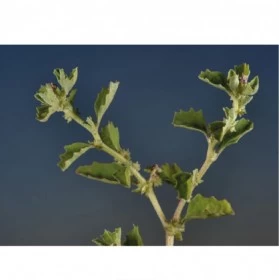
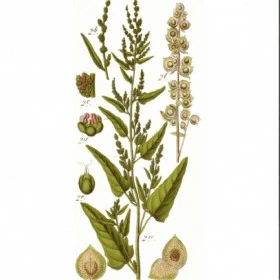


White Raghul Seeds
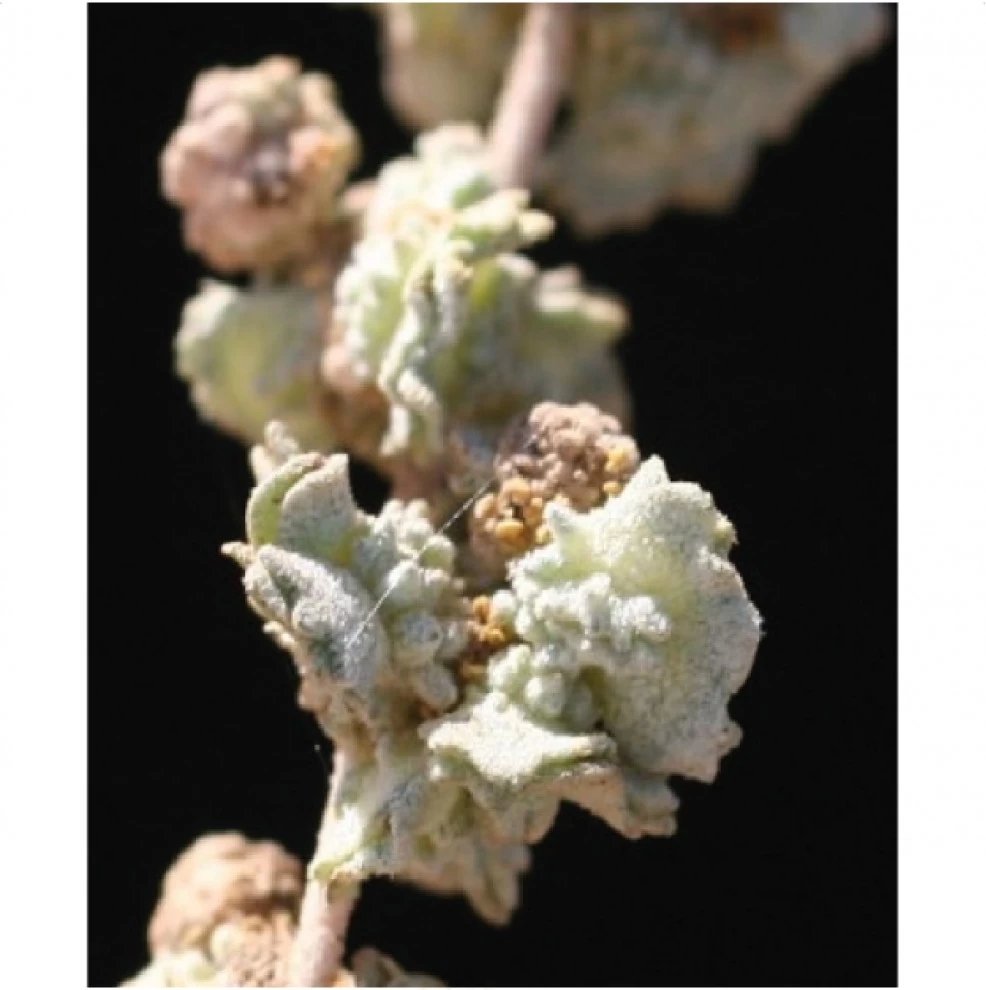
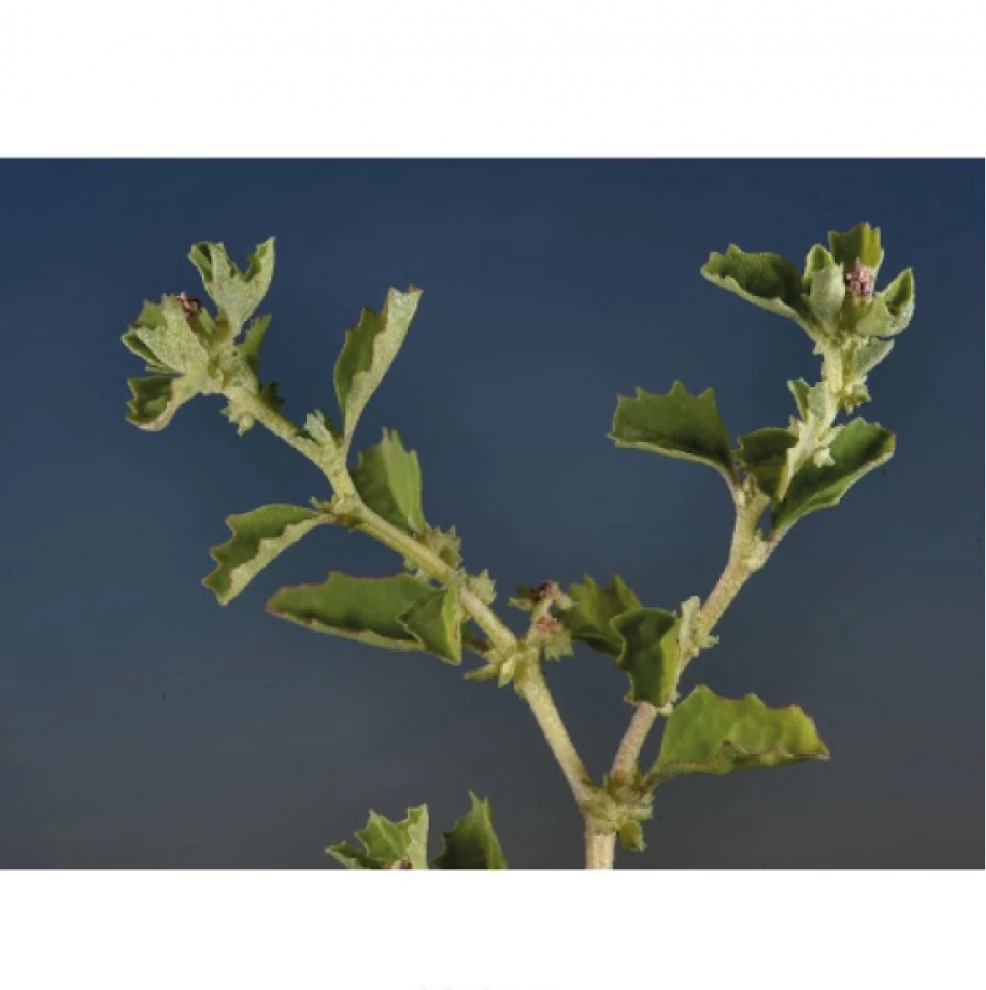
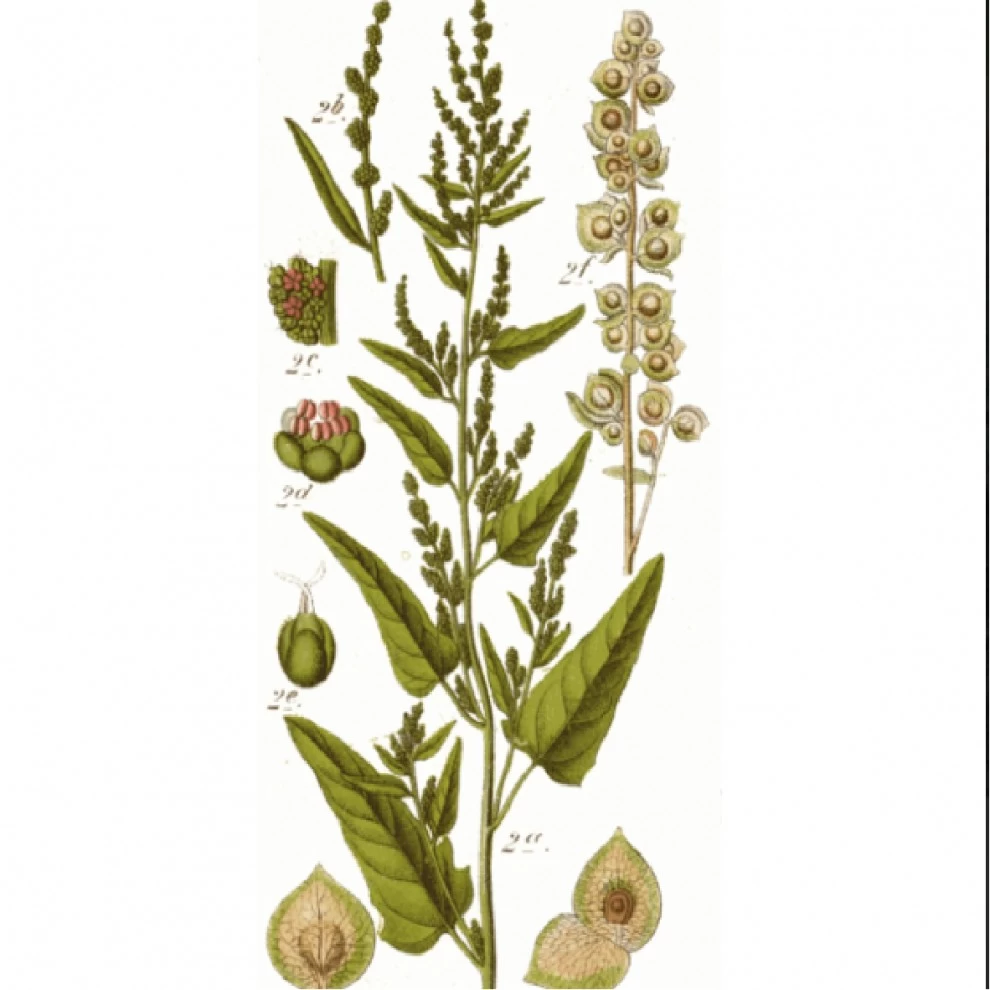
Raghul originated in North Africa and the Middle East. It is a small, perennial, subshrub with an upright stem reaching 1-2 meters, with many branches. Its leaves are small, oval or round, tending to silver or gray, and triangular. The flowers and fruits are dense, bell-shaped, and clustered in spikes that appear in July and August. It is native to the coastal regions of the Mediterranean Basin, as well as temperate Europe. It is also found in some areas of Saudi Arabia.
The plant grows in a variety of environments, usually in coastal and inland salt marshes and sabkhas with high salt content.
It is frost-tolerant and has a moderate growth rate. Raghul is characterized by its morphological variability, meaning its leaves take on different shapes and sizes depending on the time and place.
Raghul is an important plant for agricultural purposes in desert regions due to its ability to store carbon dioxide. The ragal is suitable for desert areas and as a ground cover in intensive landscaping plans. It may occasionally require irrigation and maintenance to enhance its landscaping appearance.
Cultivation: It is grown by seed.
The plant contains high levels of vitamin C and vitamin K, as well as important minerals such as calcium, magnesium, phosphorus, iron, carotenoids, protein, anthocyanins, zinc, selenium, tryptophan, dietary fiber, and chemical and organic compounds.


