All orders are delivered within 48 hours
For any inquiries, you can contact us on WhatsApp 99222292
You can order via WhatsApp and pay via the link
Pay online





Organic Flax Seeds for Planting, 100 Seeds
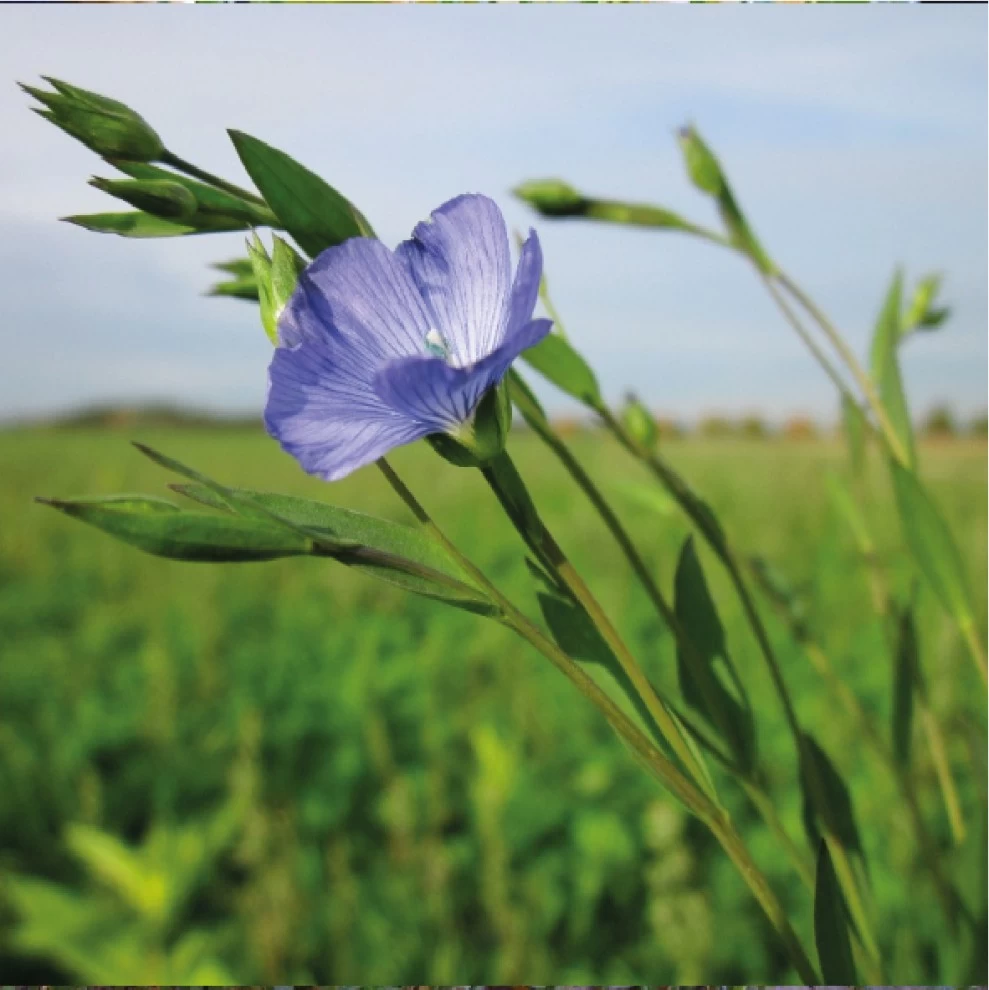
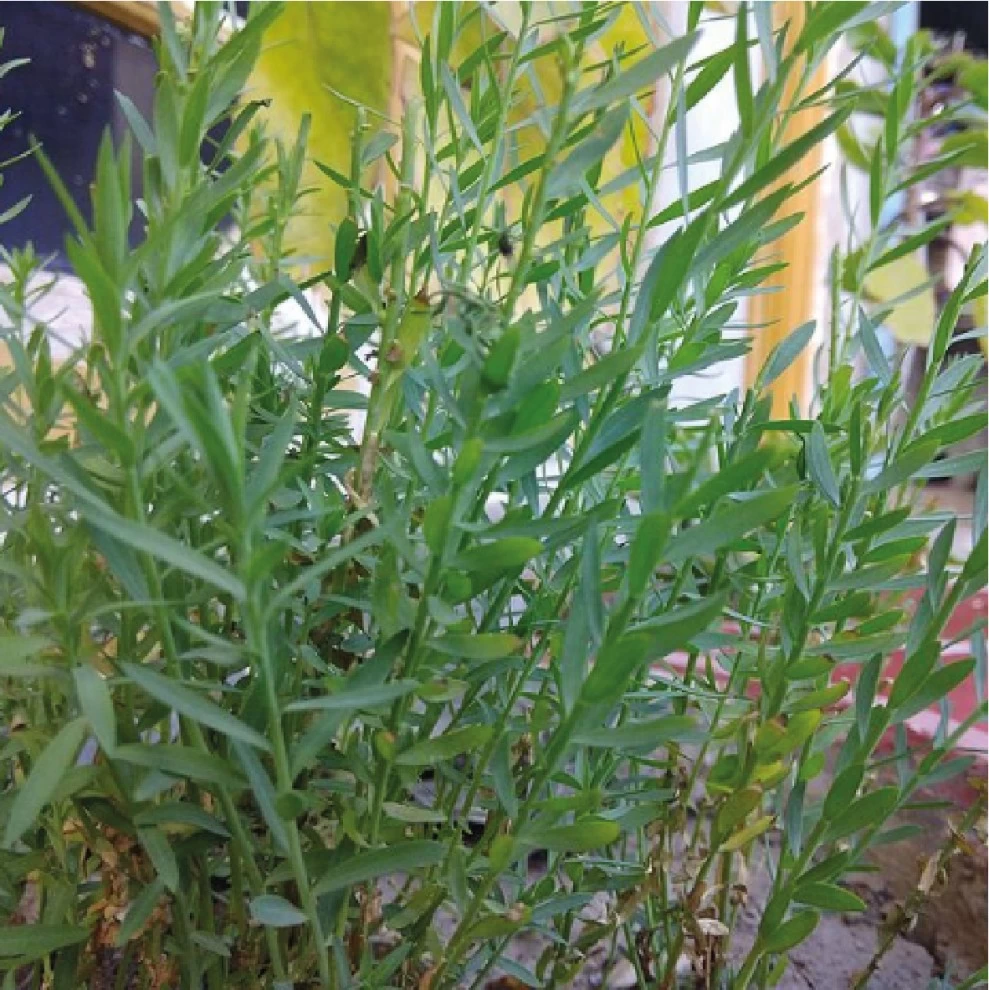
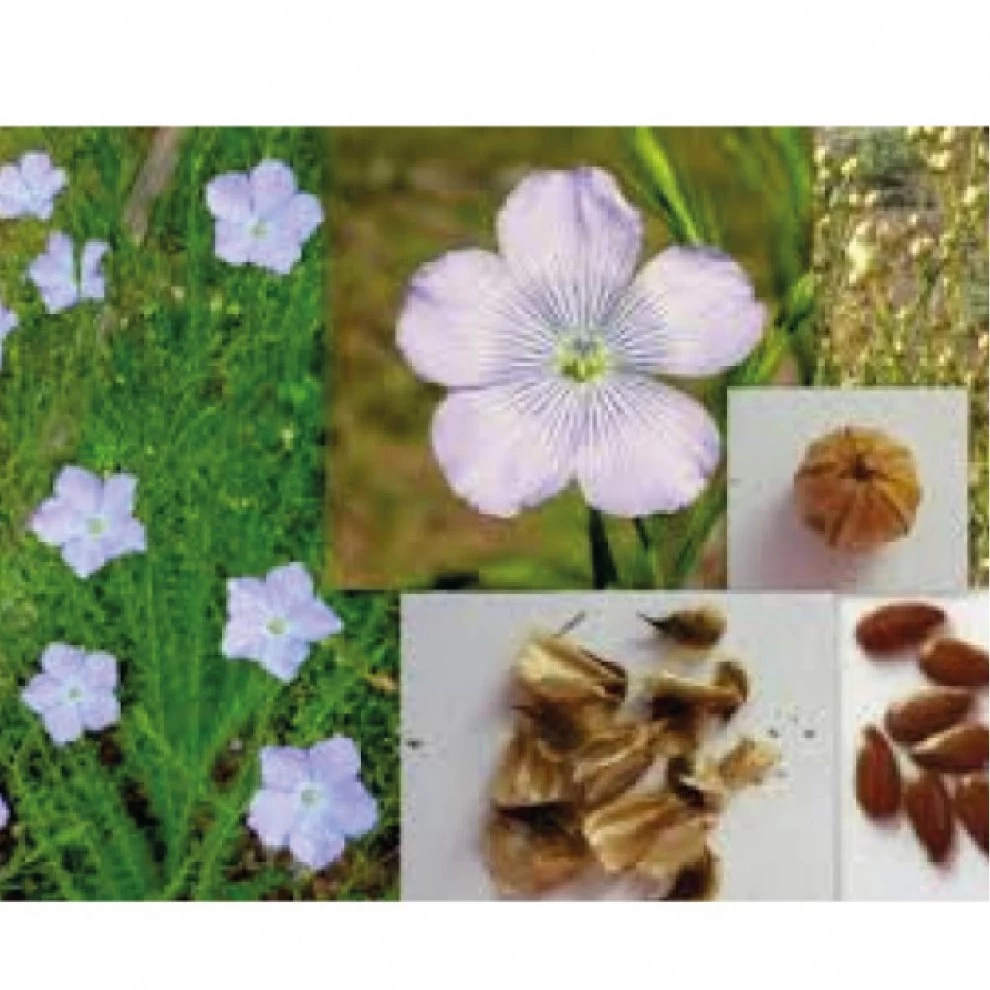
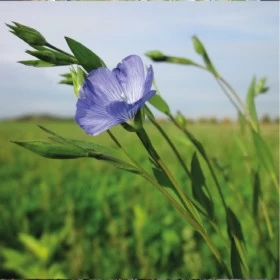
Flax is an upright herbaceous plant, reaching about a meter in height, with slender stems, lanceolate leaves, and blue flowers. It was known and cultivated in ancient Egypt since the time of the Pharaohs.
It was used to make a fabric known as linen cloth, which was used for mummification.
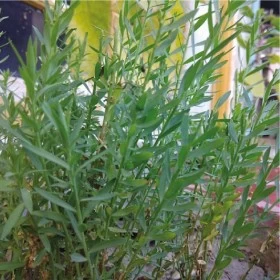
Cultivated flax plants grow to a height of 1.2 meters (3 feet 11 inches) with slender stems. The leaves are bright green, thin, 20–40 mm long, and 3 mm wide.
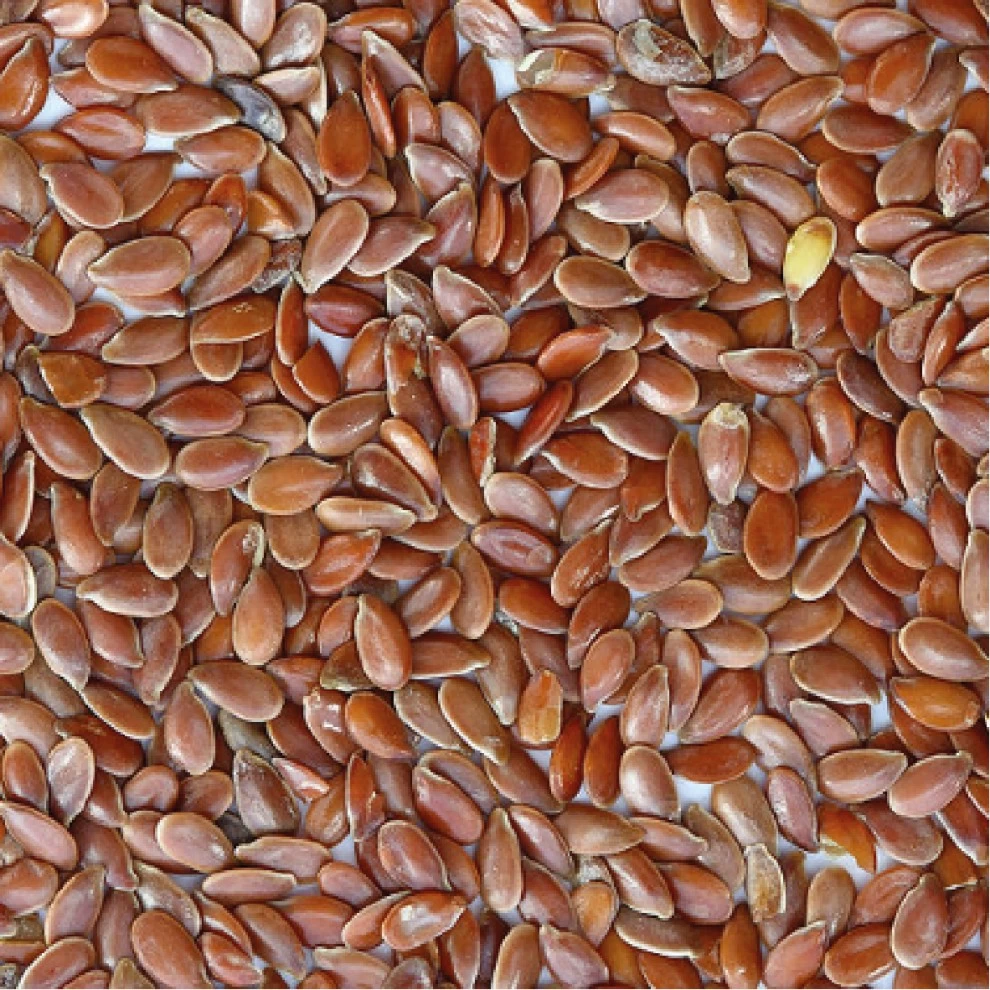
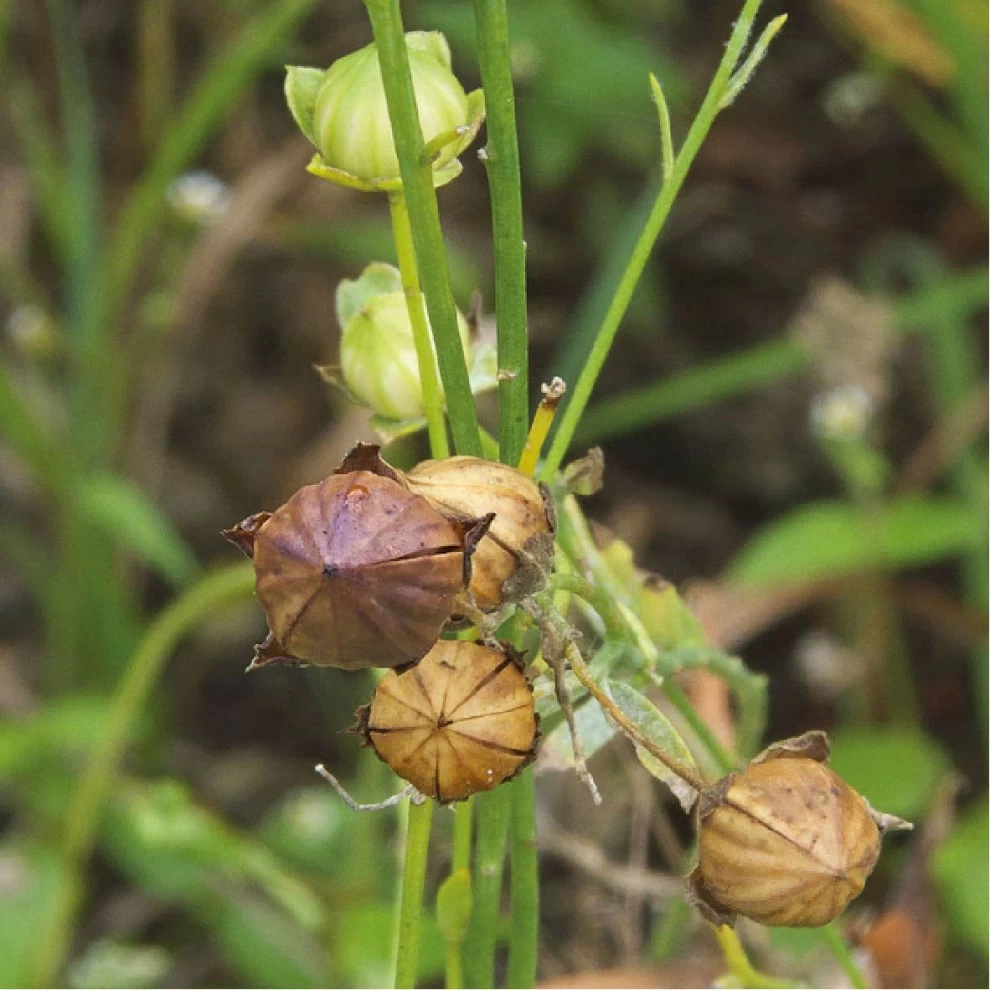
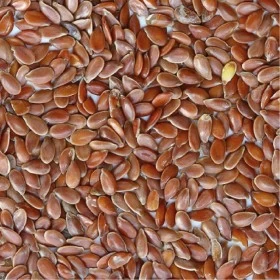
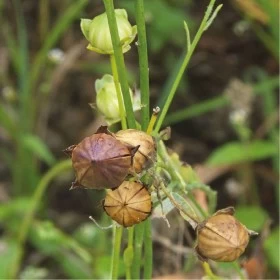
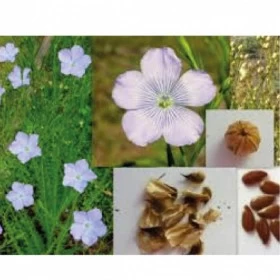
The flowers are pale blue, 15–25 mm in diameter, and have five petals. The fruit is a dry, round capsule 5–9 mm in diameter, containing several glossy, brown, apple-shaped, tube-shaped seeds 4–7 mm long. The seeds ripen from August to September.
Suitable for light (sandy) soils versus loamy soils, and prefers well-drained soil.
(It cannot grow in shade. Prefers moist soil. Can withstand strong winds.)
The seeds are oily, containing 40% oil with a high percentage of omega-3, 22% protein, and 4% minerals. Flaxseed oil (hot) has a high percentage of omega-3, which is beneficial in reducing cholesterol.
The oil has a distinctive aroma that increases with storage. Compared to the oil, the seeds contain 98% more lignans, which are anti-cancer,
and 97% more fiber and omega-3. These substances are beneficial in reducing cholesterol, premenstrual symptoms, weight loss, and diabetes. They also treat liver diseases.
Taking a spoonful in the morning every day for a full month is recommended.
Flaxseed oil is used in the textile and dye industries.
Agriculture: It is grown from seeds.
Flaxseed uses: Flaxseeds can be added to many of our meals. Daily.
Flax seeds are currently widely used in the oil industry, while the stems are also used in the textile industry.


