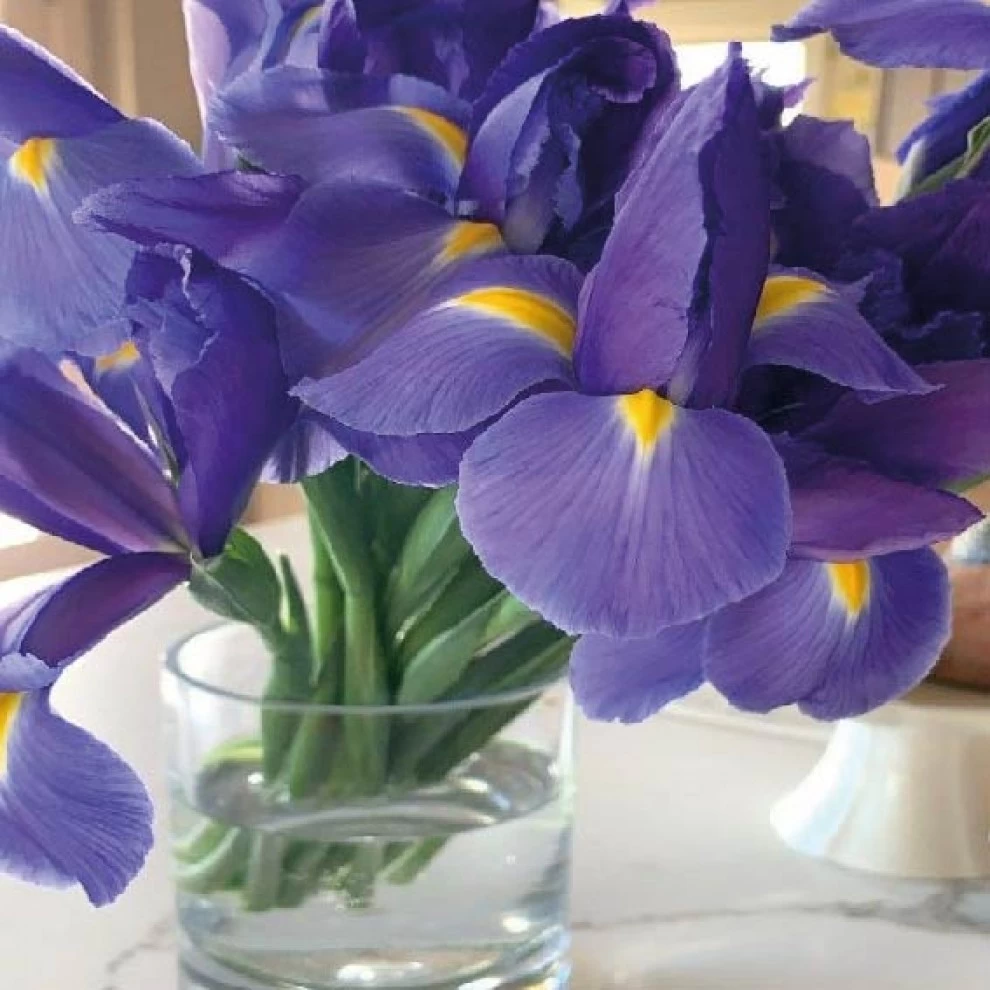
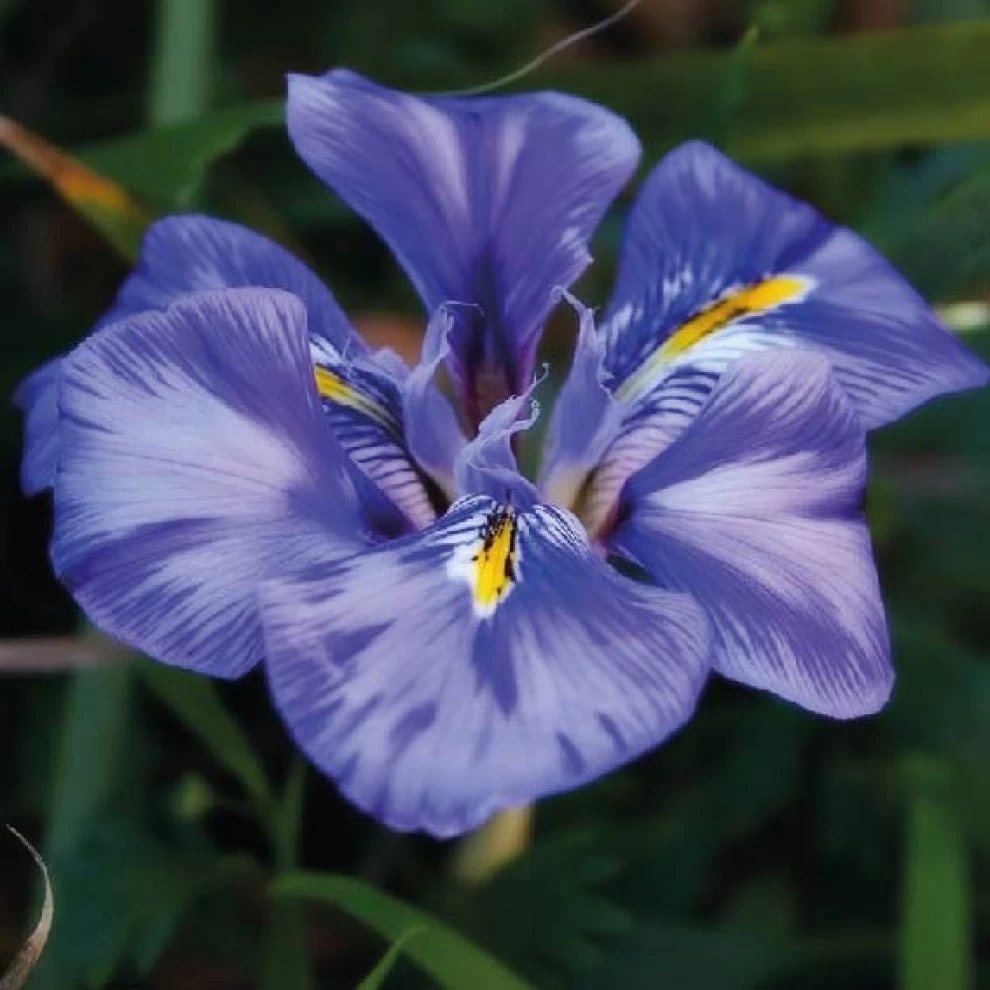
The iris is one of the most beautiful flowers, adding a touch of elegance and sophistication to gardens. Its diverse colors, including blue, purple, white, yellow, and orange, make it an ideal choice for plant enthusiasts. Irises belong to the Iridaceae family and there are more than 300 species distributed throughout the world.
How to Grow Irises
• Choosing the Location and Soil
Irises prefer a sunny location, as they need 6-8 hours of sunlight daily.
The soil must be well-draining, as waterlogged soil can lead to root rot.
Adding organic fertilizer or sand is recommended to improve soil drainage.
• Planting the Bulbs
Bulls are planted in late summer or early autumn.
Dig a hole 5-10 cm deep and place the bulb horizontally, then cover it with a light layer of soil. Leave 30-40 cm between each plant to ensure healthy growth.
Watering and Fertilizing
Irises need moderate watering, preferably once or twice a week depending on the climate.
It is recommended to use a fertilizer Balanced (NPK) fertilizer every 3-4 weeks during the growing season.
Plant Care
Pruning faded flowers is recommended to encourage new blooms. Dry or diseased leaves should be removed to prevent the spread of disease. Supports can be used to support tall plants and prevent them from bending.