Shelled Mountain Sidr Seeds (*Ziziphus glabrata*)
Common Name: Mountain Sidr
Scientific Name: *Ziziphus glabrata*
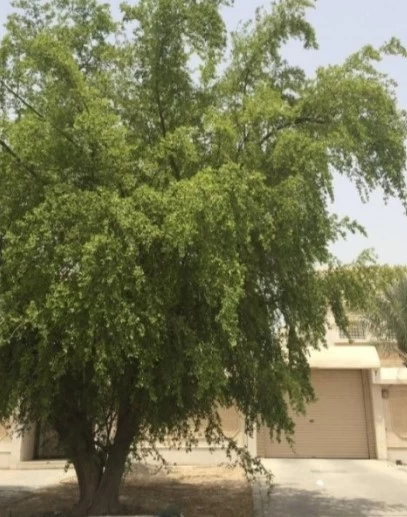
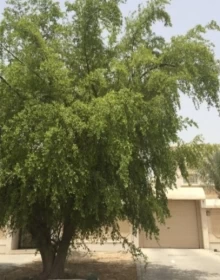
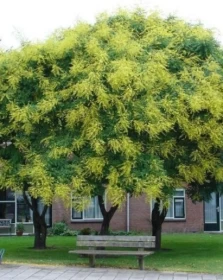
The Mountain Sidr tree is a desert tree belonging to the Rhamnaceae (buckthorn) family; it is characterized by its dense foliage and branching trunks. Its leaves are oval-shaped; they are smaller than those of the local (cultivated) Sidr tree, yet slightly larger than those of the wild Sidr tree. It is typically found in mountainous regions.
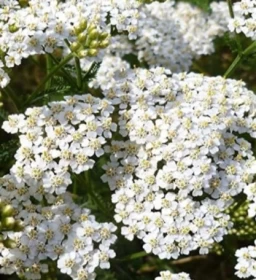
Flowers of the mountain Sidr: The flowers emerge from the leaf axils, appearing in clusters of 10 to 15 small, greenish-white blossoms. It blooms during the summer.
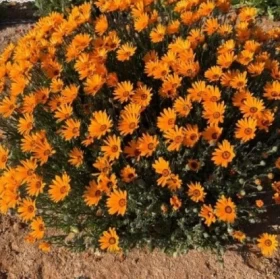
Fruit and seeds of the mountain Sidr: The fruit is spherical, with a diameter ranging from 1.5 to 3.5 cm. It is orange or yellow in color and has a sweet taste.
Planting season for the mountain Sidr: It can be planted from March through August. It can also be cultivated year-round in controlled agricultural environments—such as greenhouses—using hydroponic or similar systems where water temperature can be regulated and the plants receive adequate sunlight or artificial lighting.
Suitable soil for the mountain Sidr: The mountain Sidr thrives in desert environments; it is tolerant of salinity and various soil types, making it one of the best trees for cultivation in mountainous areas.
Cultivation method: The mountain Sidr can be propagated via cuttings or seeds. Seeds should be planted in the soil at a depth of no more than 1 cm and watered daily until germination occurs.
Benefits and uses: Its leaves are used in traditional medicine to treat various ailments, while other varieties of the Sidr tree are utilized in the production of cosmetics.
It is found in the southern regions of the Kingdom of Saudi Arabia. It is found in the mountainous regions of Yemen.