All orders are delivered within 48 hours
For any inquiries, you can contact us on WhatsApp 99222292
You can order via WhatsApp and pay via the link
Pay online



2 People are viewing this product right now


Chorisia speciosa (15 seeds)
Botanical description:
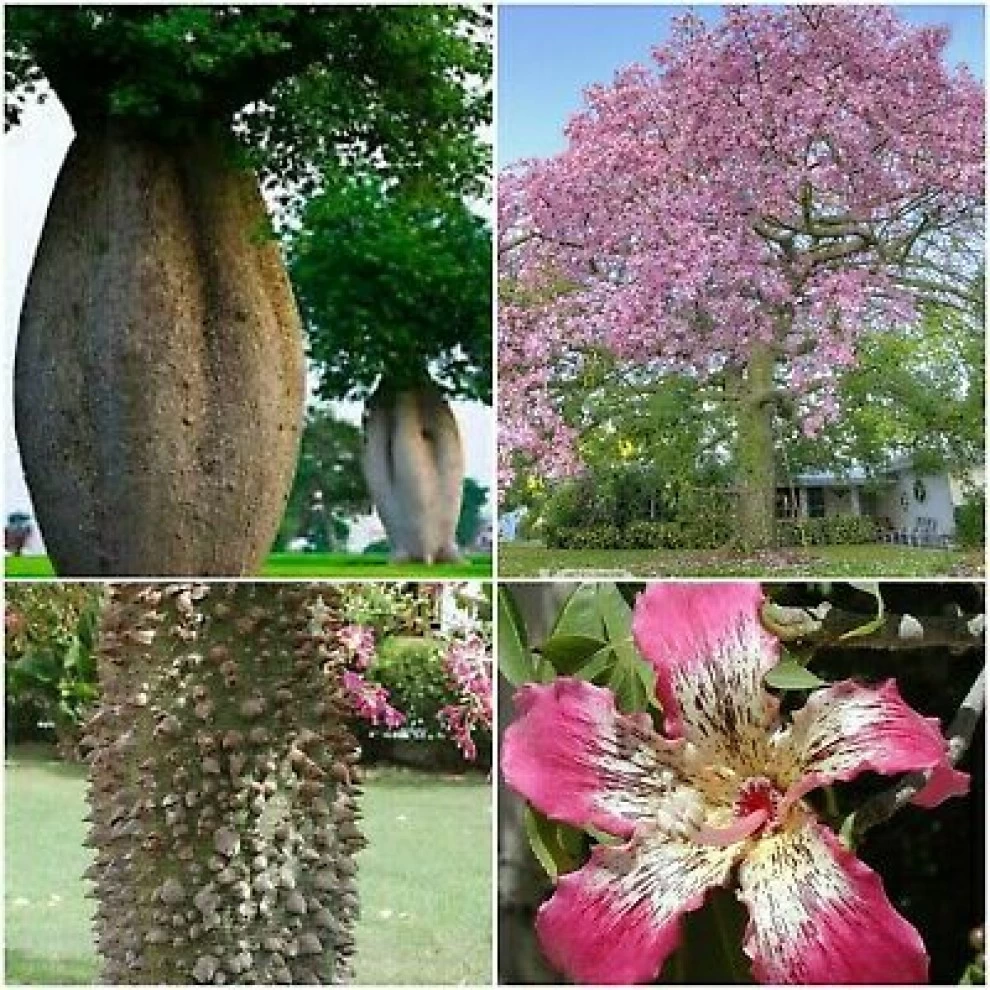
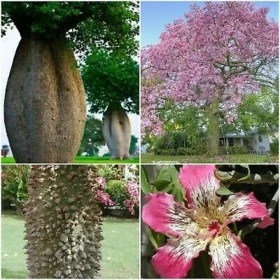
The Chorisia speciosa tree is an ornamental tree distinguished by its beautiful flowers. Its original home is Brazil. It has several names, such as elephant scratcher, silk thread, or bottle.
A deciduous, round tree with spreading green branches in the early stages of life and covered with thorns, often becoming gray and sometimes losing the roughness of its sharp thorns. The trees take a vertical or upright shape at the beginning of their life. The thorny trunk is unusually thick and remains green even on older trees. The silk thread tree can reach a height of 50 feet and grows rapidly in the first few years, then its growth rate decreases with age. Some trees grow with a single straight trunk while others spread horizontally, especially in older trees.
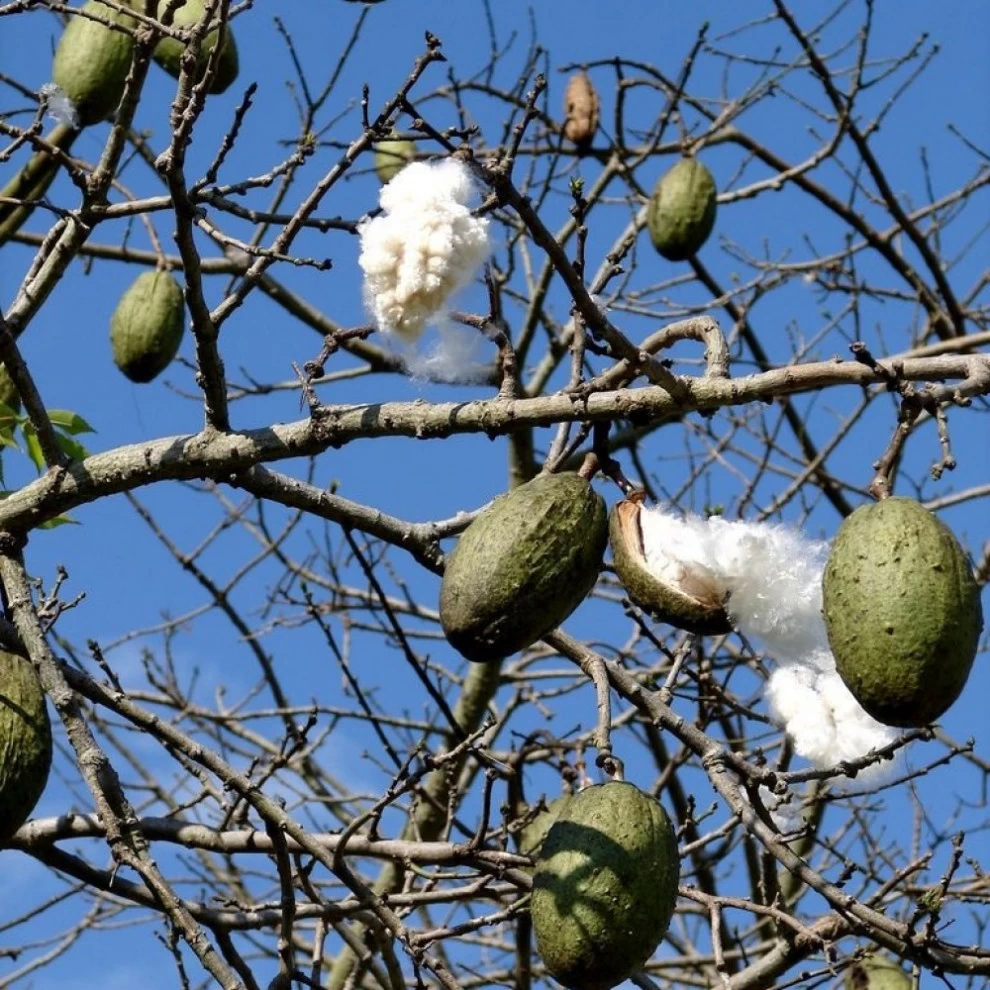
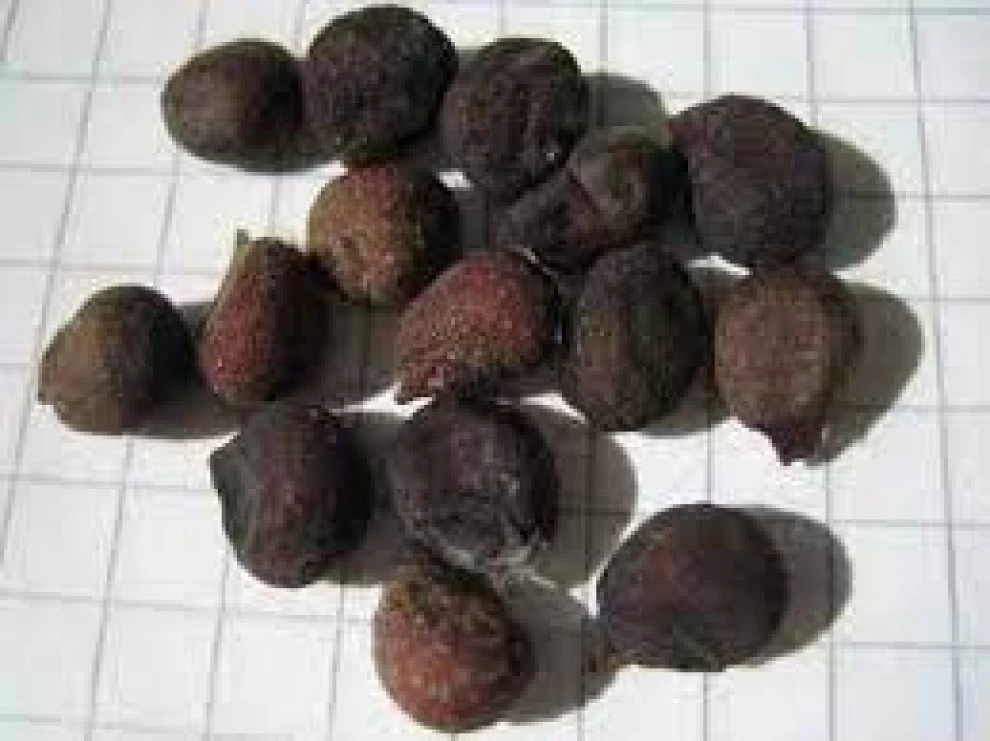
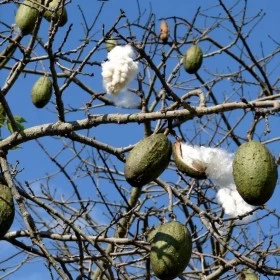
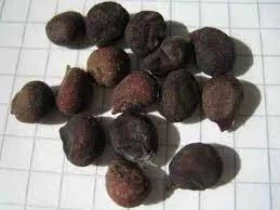
The leaves are regular in growth and large, compound palmate, and the leaflets are serrated. The flowers are red-pink and bloom in the fall, and the fruit is almond-shaped. The shape of the fruit of the Coryzia is characterized by large wooden capsules, 8 inches long, pear-shaped, filled with white silk thread that resembles cotton and its seeds are similar to pea seeds, and these threads are used in stuffing pillows.
Reproduction:
By seed, which is difficult to reach as it is at high altitudes on trees.
The seeds must be soaked in water for a period ranging from 4 to 8 hours.
It grows well in tropical and greenhouse areas and tolerates drought and high heat in summer and cold in winter.
Coryzia provides shade to a wide extent and is preferred for planting in residential areas. It is considered one of the most beautiful trees in the world, an amazing and eye-catching ornamental tree that gives a beautiful colorful view in the flowering season. The tree belongs to the cotton family and is tolerant of both heat and cold.
Pruning is required from time to time for the coryza to grow with a strong structure. The stems and branches are resistant to breakage, and the roots are superficial and can displace sidewalks or hinder lawn mowing operations. The coryza tree also needs full sun with an average of 12 hours of sunlight per day.
It tolerates drought and prefers clay, loamy, sandy, acidic, occasionally moist and alkaline soil. It is considered one of the trees most resistant to various diseases.
Some of the known features and uses of the coryza tree:
Aesthetic appearance: The coryza tree is distinguished by its unique beauty, as its stem is characterized by unusual branches and the presence of small thorns, while the color of the beautiful large flowers appears in various colors such as pink and white.
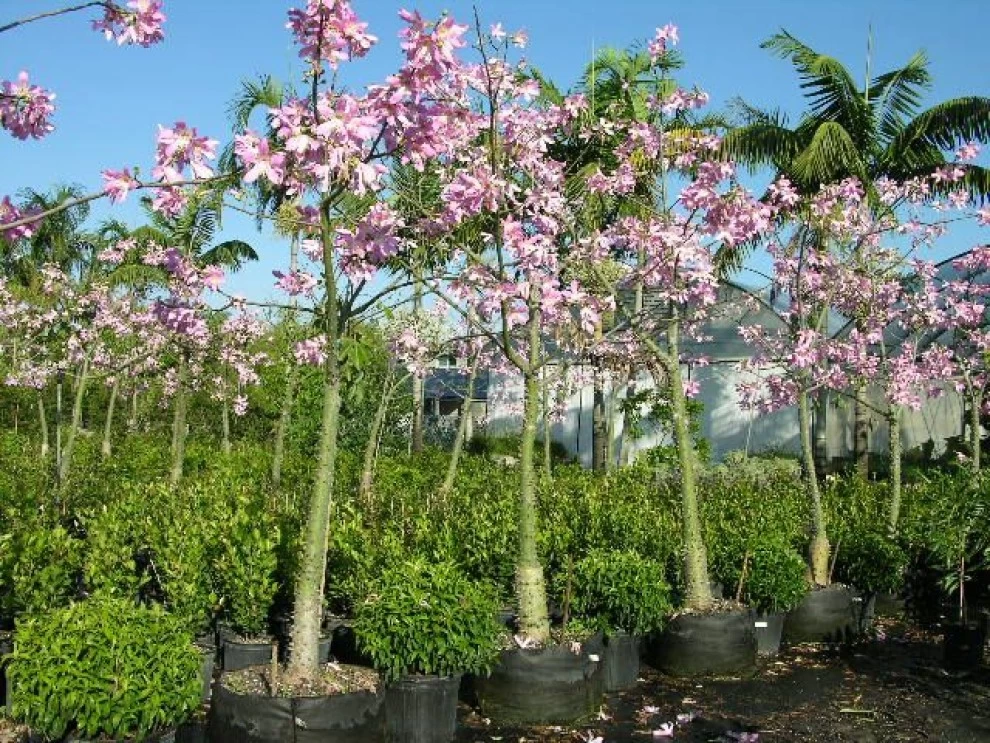
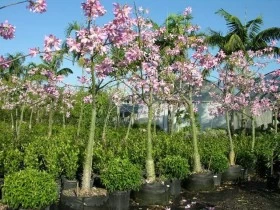
Decorative uses: The coryza tree is often used in landscapes, home gardens and urban areas for its beauty and attractive leaves. It can be grown as an ornamental tree or as a shade tree.
Wood properties: The wood of the coryza tree has certain properties, and has been used in some cases in the manufacture of furniture or handicrafts. However, it should be noted that it is not a hardwood tree.
Traditional medicinal uses:
In some traditional societies, some parts of the Coryza tree have been used in folk medicine to treat certain health conditions, but it should be noted that this does not mean that it is safe or effective for medical purposes without consulting experts.
Providing shade: Thanks to its large and shady tree structure, the Coryza tree can provide good shade, making it suitable for planting in areas that need to reduce the intensity of sunlight.
Adaptation to environmental conditions: The Coryza tree tolerates harsh environmental conditions well, as it can be grown in poor soil and in areas with high temperatures


