All orders are delivered within 48 hours
For any inquiries, you can contact us on WhatsApp 99222292
You can order via WhatsApp and pay via the link
Pay online



2 People are viewing this product right now


Gum Arabic Tree Seeds (10 Seeds) - Acacia senegal
Botanical Description:
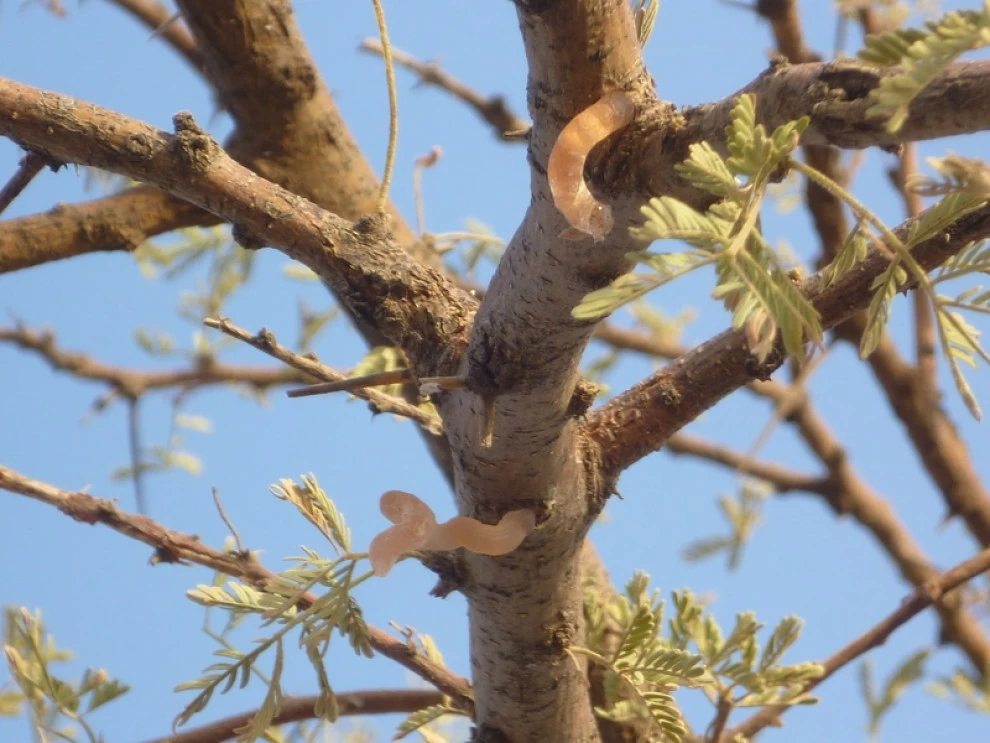
The gum Arabic tree Acacia senegal is also called Senegal acacia, is widespread in the dry parts of tropical Africa, from Senegal and Mauritania in the west to Eritrea and Ethiopia in the northeast and South Africa in the south. Of the four recognized species, it produces true gum arabic, a substance used in adhesives, pharmaceuticals, inks, sweets, and other products.
Acacia senegal grows in tropical, subtropical, arid and semi-arid regions and is very resistant to drought. Trees survive in the most adverse conditions
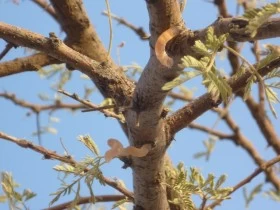
- Deciduous shrub Small to medium-sized tree up to 15 m tall, bark yellowish-brown to black, rough or smooth, papery and peeling in strips, severely cracked and blackened on old trees.
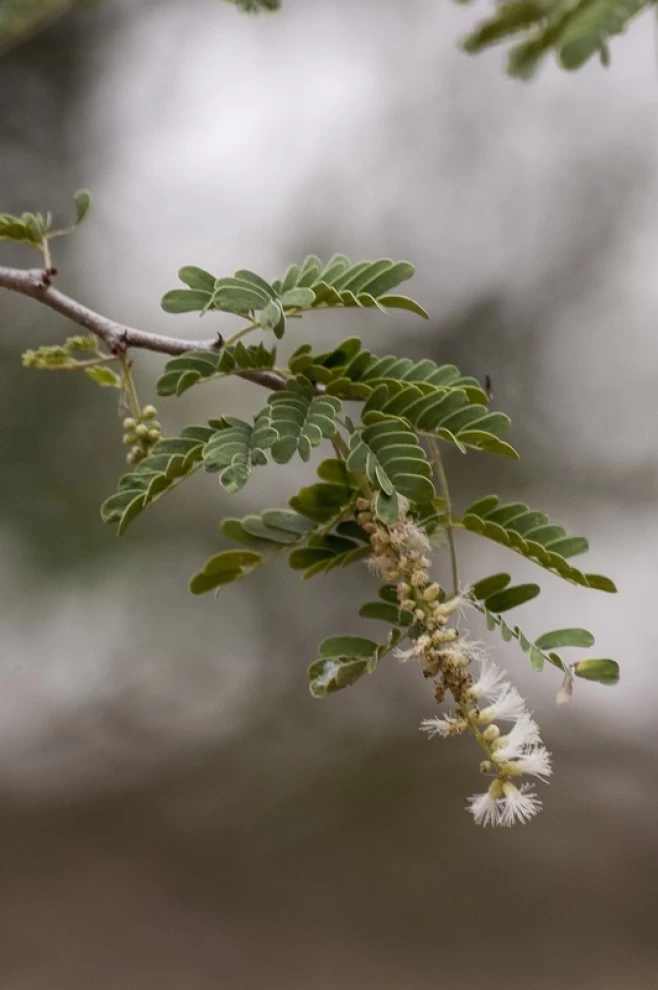
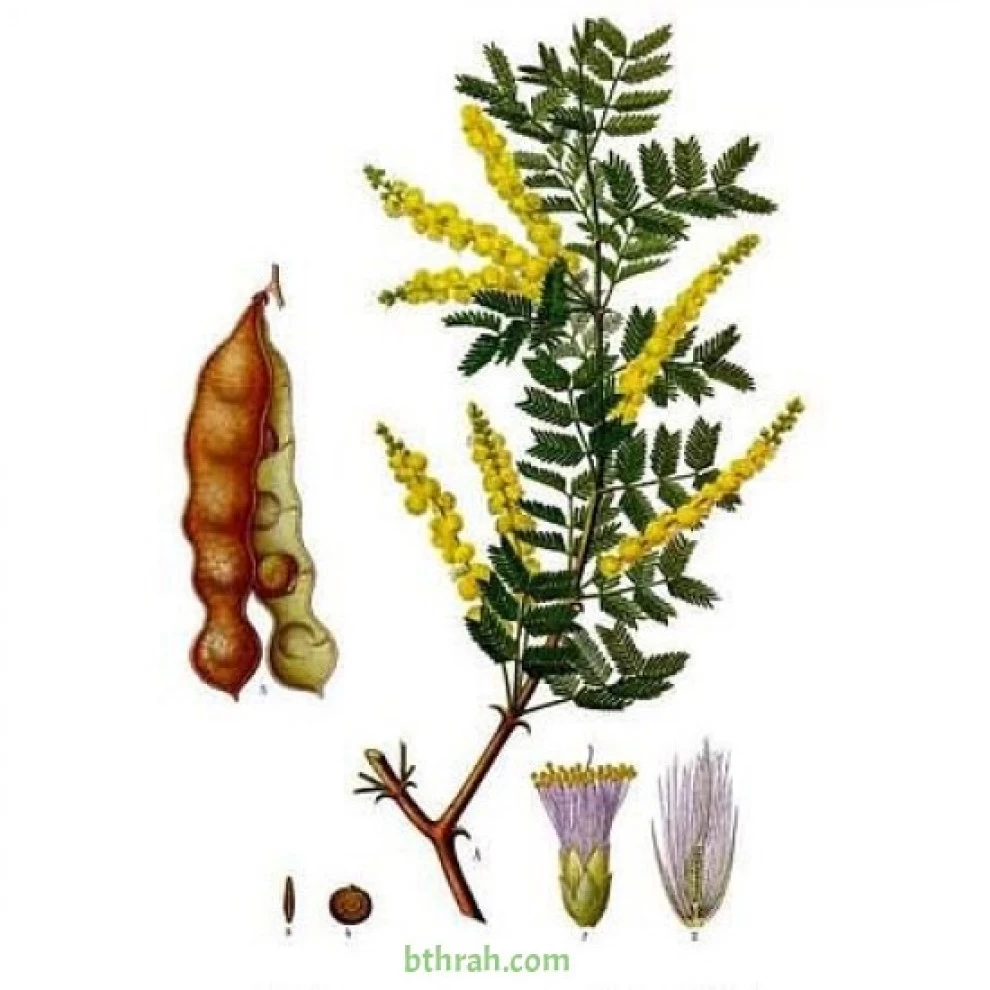
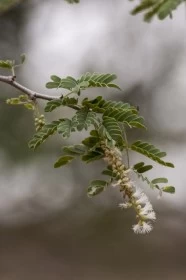
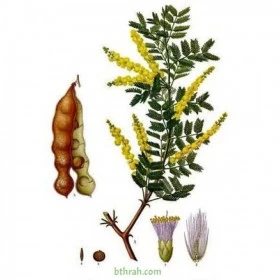
- The tree bears thorny branches, below a curved arc, up to 7 mm long, nodes directly. The leaves are compound pinnate, 3.5-8 cm long. The leaflets are linear to oblong, 1-9 long and 0.5-3 mm wide. They may be sparsely hairy and pale green in color.
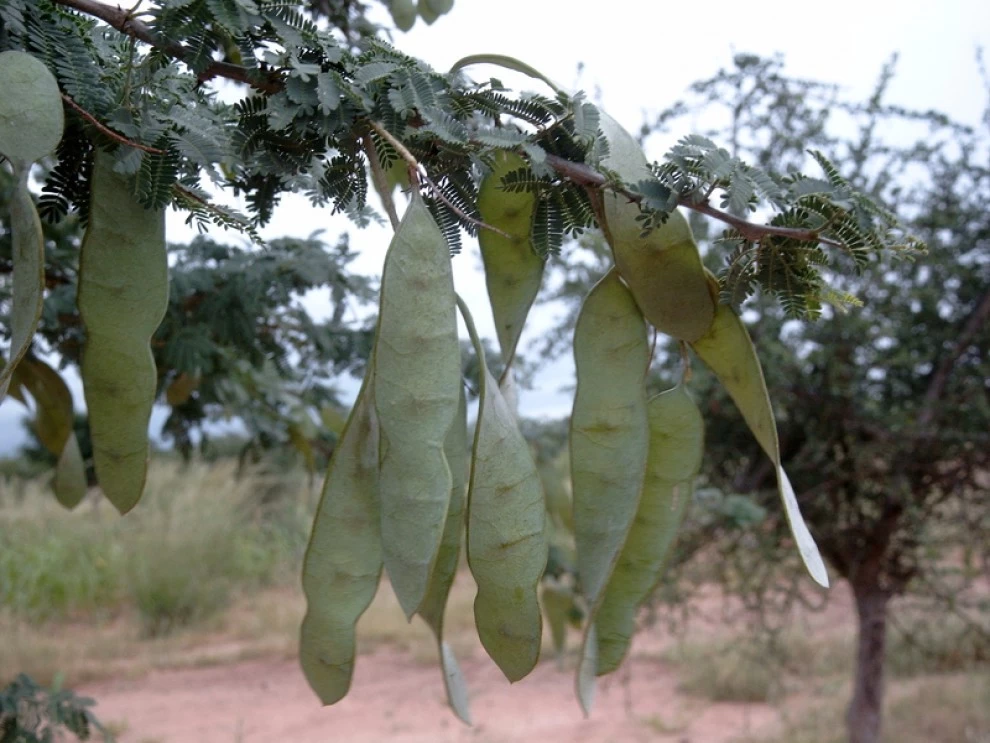
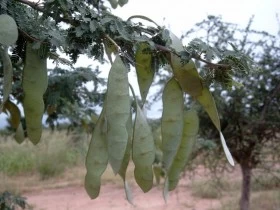
- The fragrant yellowish-white flowers are borne on cylindrical spines 5-10 cm long. The fruits are straight, hairy, flat, papery pods, about 7 cm long × 2 cm. Green and pubescent when young, becoming bronze at maturity.
Agriculture:
It is grown by seeds and cuttings.
The most important uses of the gum arabic tree
- Industry (inks, dyes, polishes), stabilizer of dairy products
- The wood is very good.
- The wood is also used in the manufacture of utensils, poles and fence posts.
- The bark and roots provide strong ropes and fishing nets
- Gum arabic trees provide valuable fodder for sheep, goats and camels. The leaves and pods are browsed by domestic and wild ruminants.
The flowers are attractive to bees for honey production.


