Al-Rublah Herb
Other names include: Al-Duqqis, Yanam, Quraita, and Luqmat Al-Na'jah
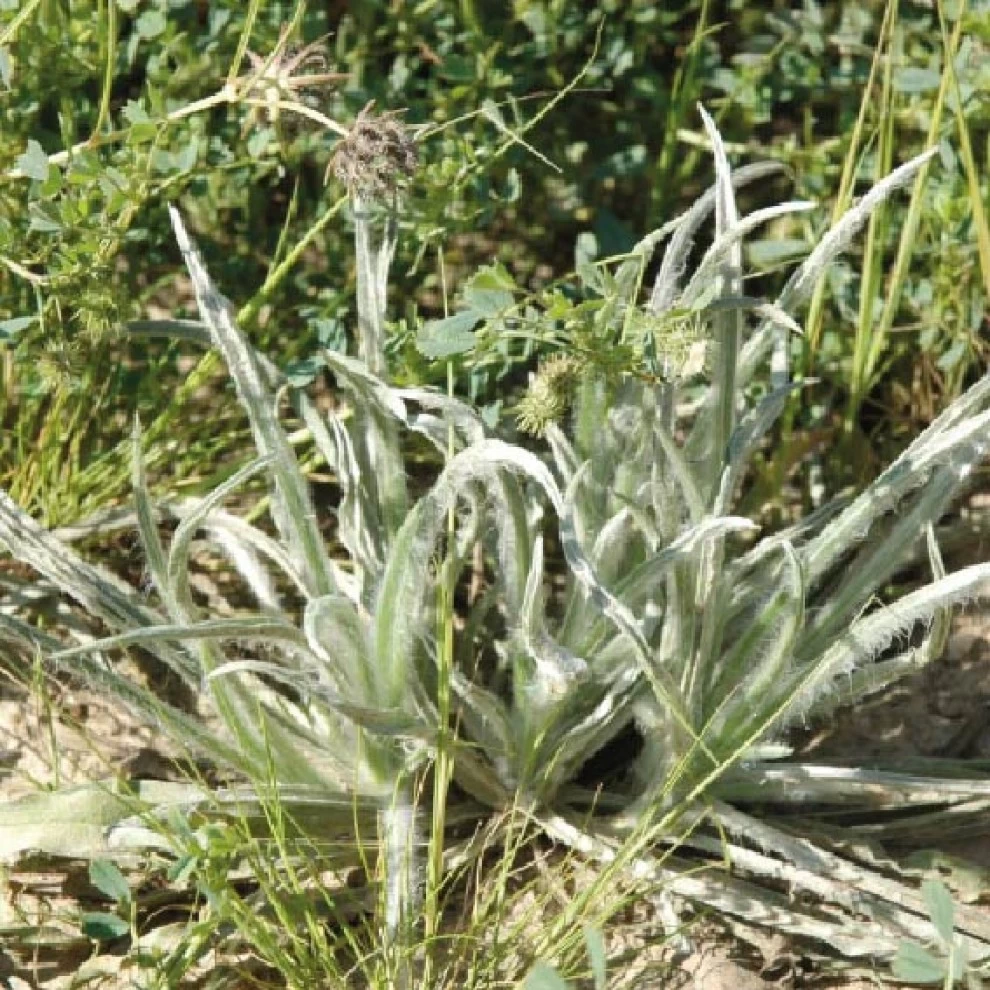
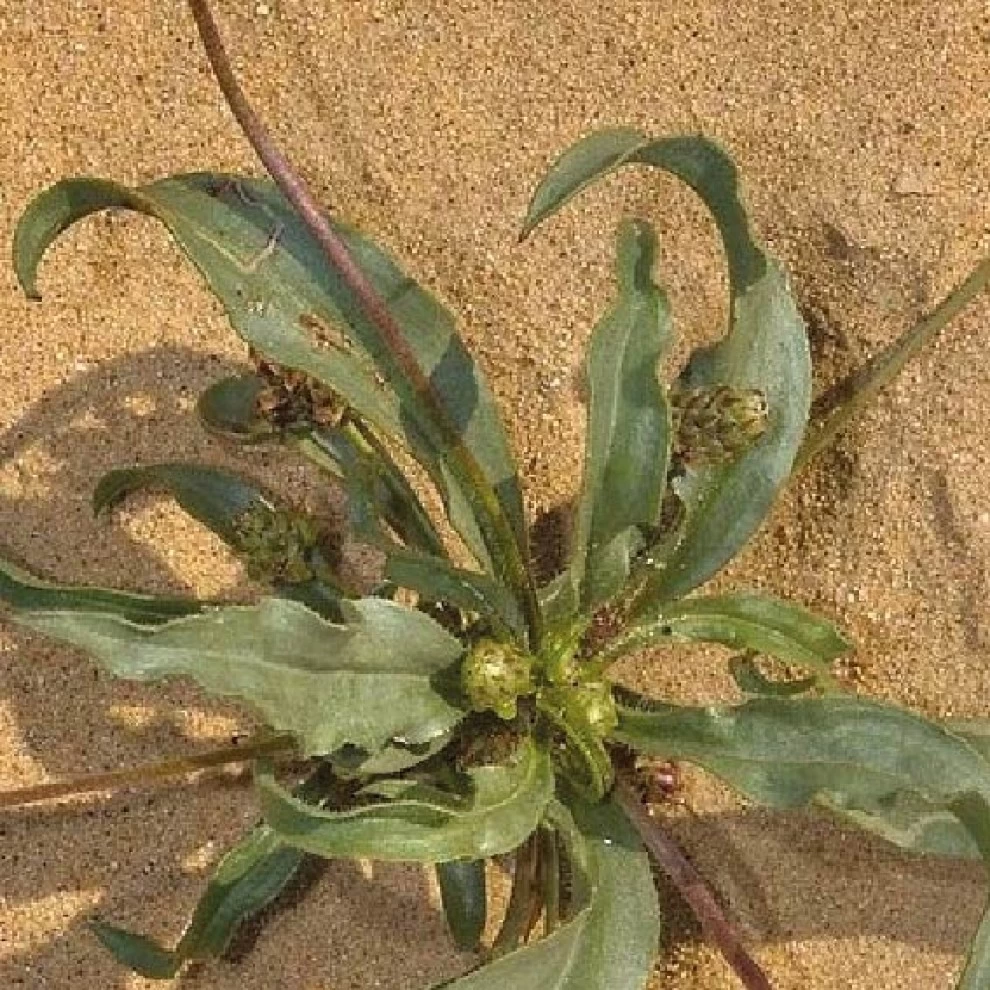
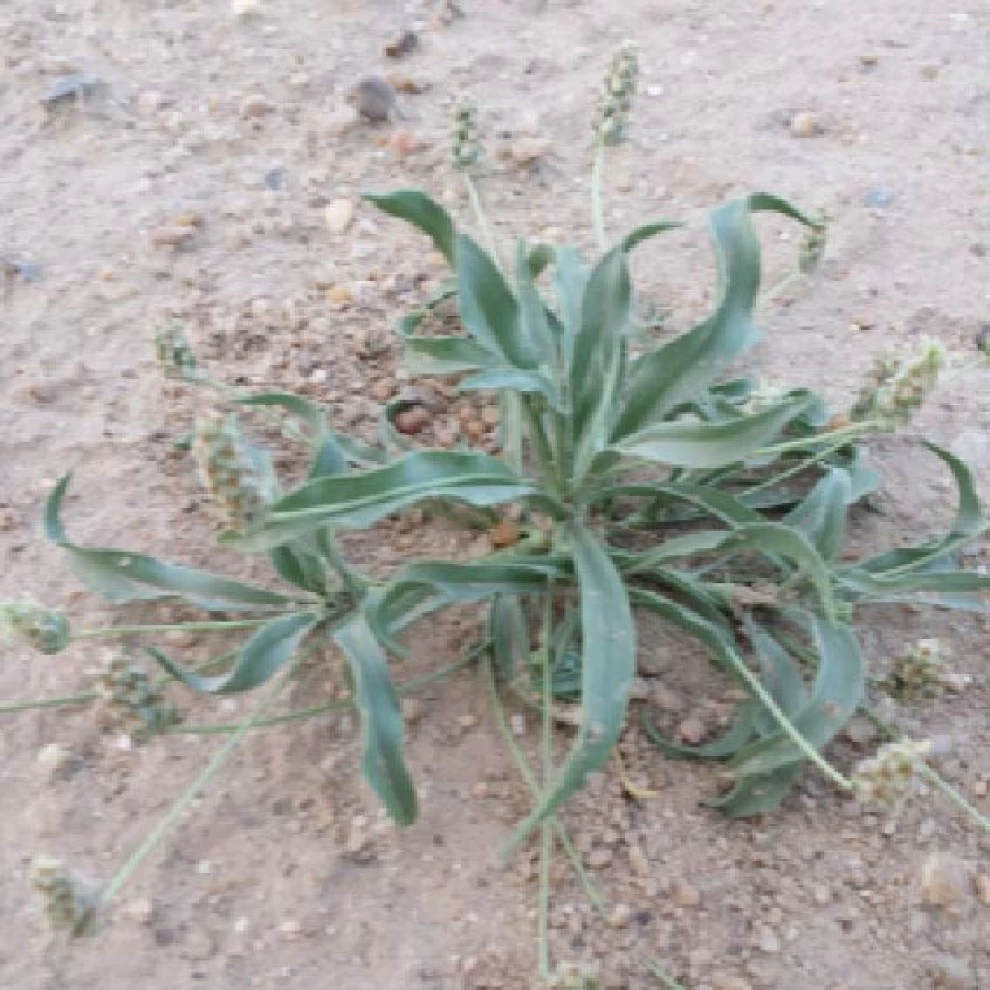
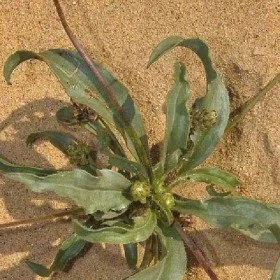
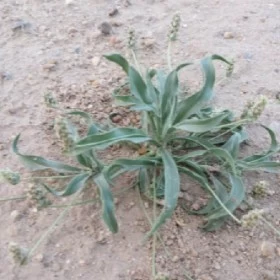
This small herbaceous plant has numerous parallel, ribbon-like leaves that are connected to the base of the stem. The leaves of the Al-Rublah plant tend to be grayish-green and are usually covered with small hairs. It is considered one of the best and most well-known grazing plants in the deserts of Saudi Arabia.
• Al-Rublah Flower:
Its small, white flowers grow in clusters in an oval shape and bloom in the spring.
• Al-Rublah Fruit and Seeds:
Its small fruits contain two seeds each.
• Al-Rublah Cultivation Season:
It is planted in the spring, but it can also be grown year-round in greenhouses, enclosed spaces, or plastic containers where the temperature can be controlled and sunlight reaches the plant, or where the necessary light is provided.
• Suitable Climate and Soil for the Rhubarb Plant:
The Rhubarb plant thrives in cool to moderate temperatures and flourishes in loose, sandy soil. It is frost and drought resistant and requires regular watering.
• How to Grow the Rhubarb Plant:
It is propagated by seeds sown 1-2 cm deep. Organic fertilizer can be applied at least once a year.
• Benefits and Uses:
The Rhubarb plant has medicinal uses due to its high mineral content, including calcium, phosphorus, and succinic acid. In some countries, it is used as a healthy food by cooking its leaves or adding them to salads, as it contains many beneficial nutrients.
• Native Habitat of the Rhubarb Plant:
Its native habitat is the Arab world, particularly the Levant and North Africa. It is also found in sandy areas of Saudi Arabia and the Gulf countries.