All orders are delivered within 48 hours
For any inquiries, you can contact us on WhatsApp 99222292
You can order via WhatsApp and pay via the link
Pay online



2 People are viewing this product right now


Purple Henna Seeds - Lagerstroemia indica
Also known as: Coffee Rose, Curly Myrtle
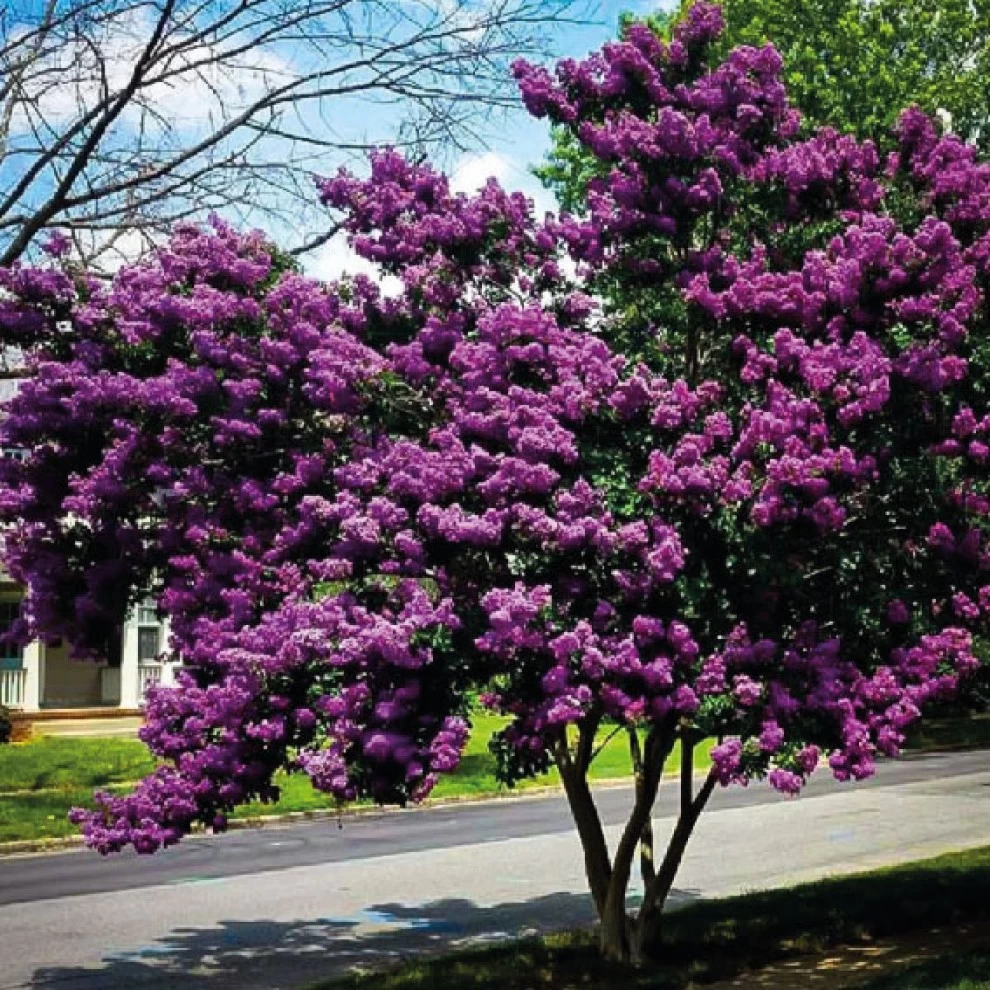
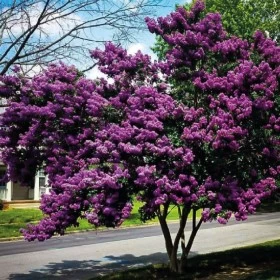
An evergreen shrub with abundant branching, reaching up to 6 meters in height. Its trunk has many lateral branches and dark green, boat-shaped leaves that are deciduous during the winter.
• Purple Henna Flower - Lagerstroemia:
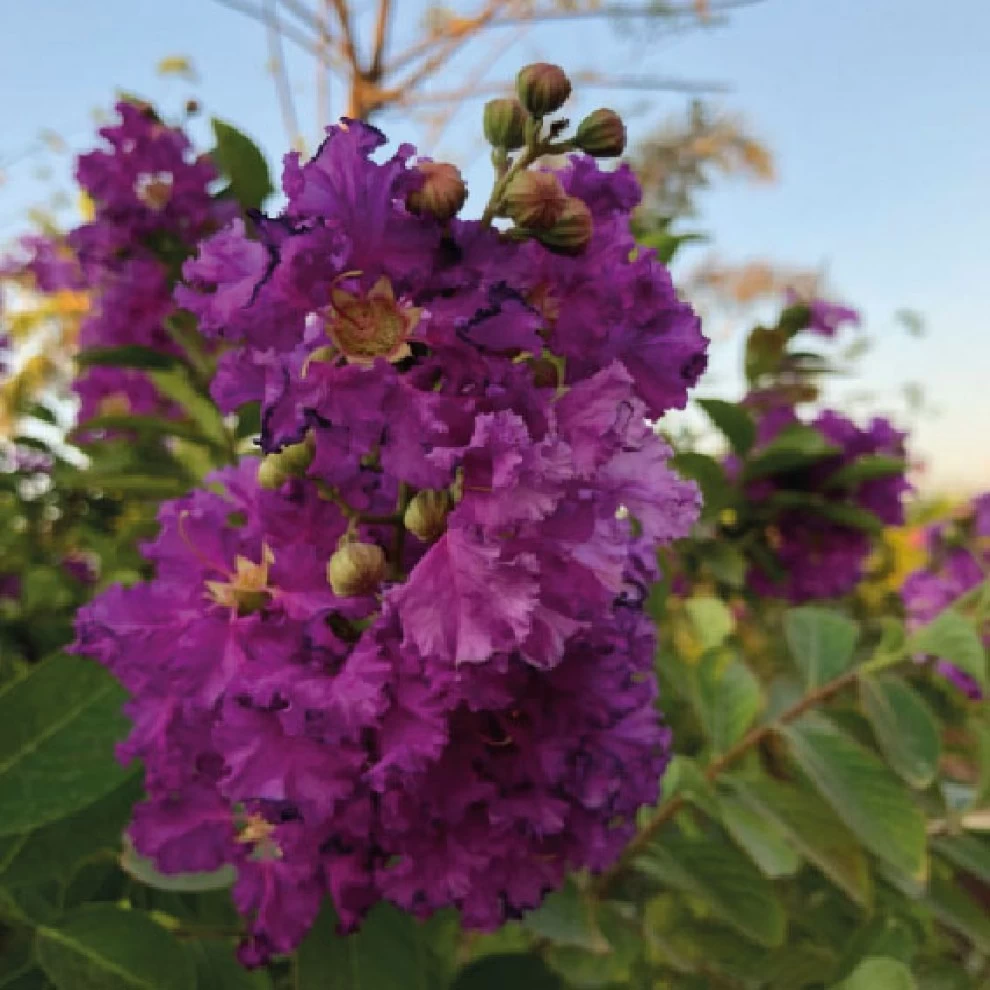
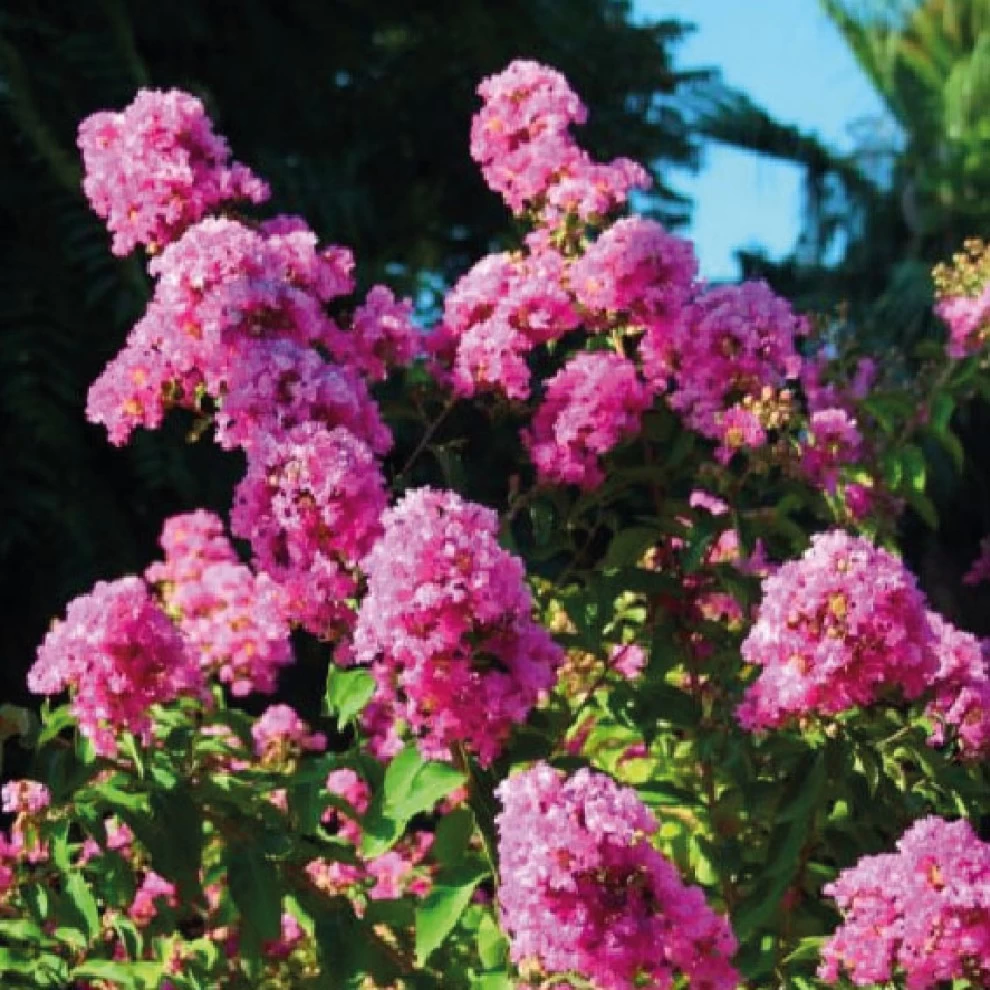
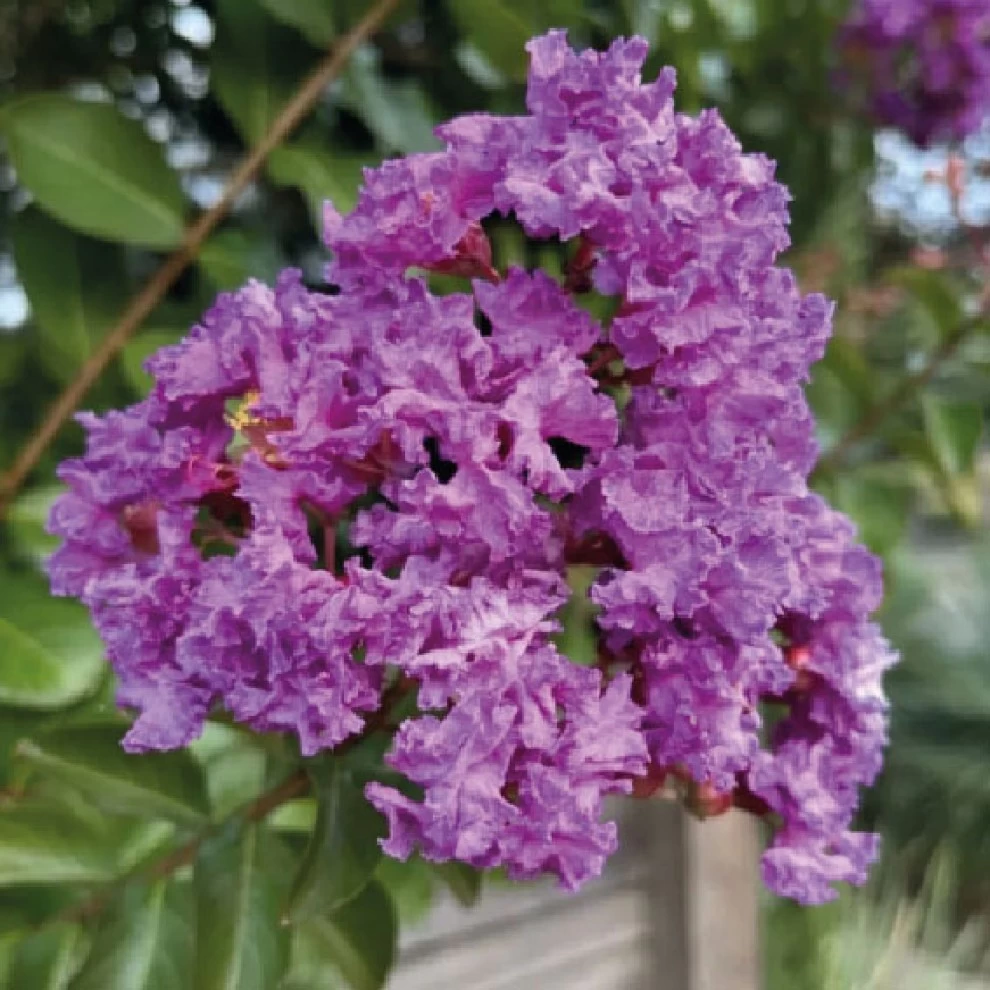
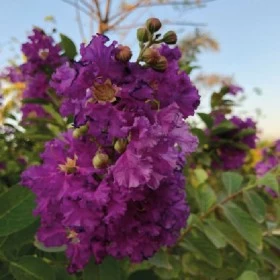
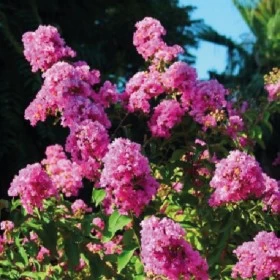
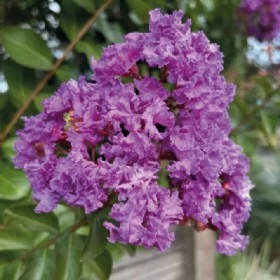
Its flowers are dense clusters of purple blossoms, ranging in size from 4 cm to 20 cm. They have a strong, fragrant scent that attracts bees. It blooms from July to September, except during the winter.
• Purple Henna Fruit and Seeds - Lagerstroemia:
The fruit is a small, brown capsule, about 1.3 cm in size, containing the seeds.
• Purple Henna Planting Season - Lagerstroemia:
The henna tree is sown from seed between September and November each year. Propagation by cuttings takes place in late February and March.
• Suitable Climate and Soil for Purple Henna (Lagostromia):
The purple henna shrub needs direct sunlight and can be grown in partially shaded areas in warm climates. It thrives in well-drained, fertile, sandy soil. It can tolerate drought and frost. Regular watering is recommended, with heavy irrigation during the summer.
• How to Grow Purple Henna (Lagostromia):
The plant is usually propagated from seeds, which do not need to be soaked. Slow-release fertilizers rich in nitrogen and potassium can be added two or three times a year. It can also be grown year-round in greenhouses, enclosed spaces, or plastic containers with controlled temperatures and sunlight, or with adequate artificial lighting.
• Benefits and Uses:
Its leaves are antiseptic and effective against microbes and parasites. An essential oil is extracted from the flowers. It is also cultivated to decorate gardens and homes.
• Native Habitat of Purple Henna (Lagostromia):
North Africa.


