Botanical classification:
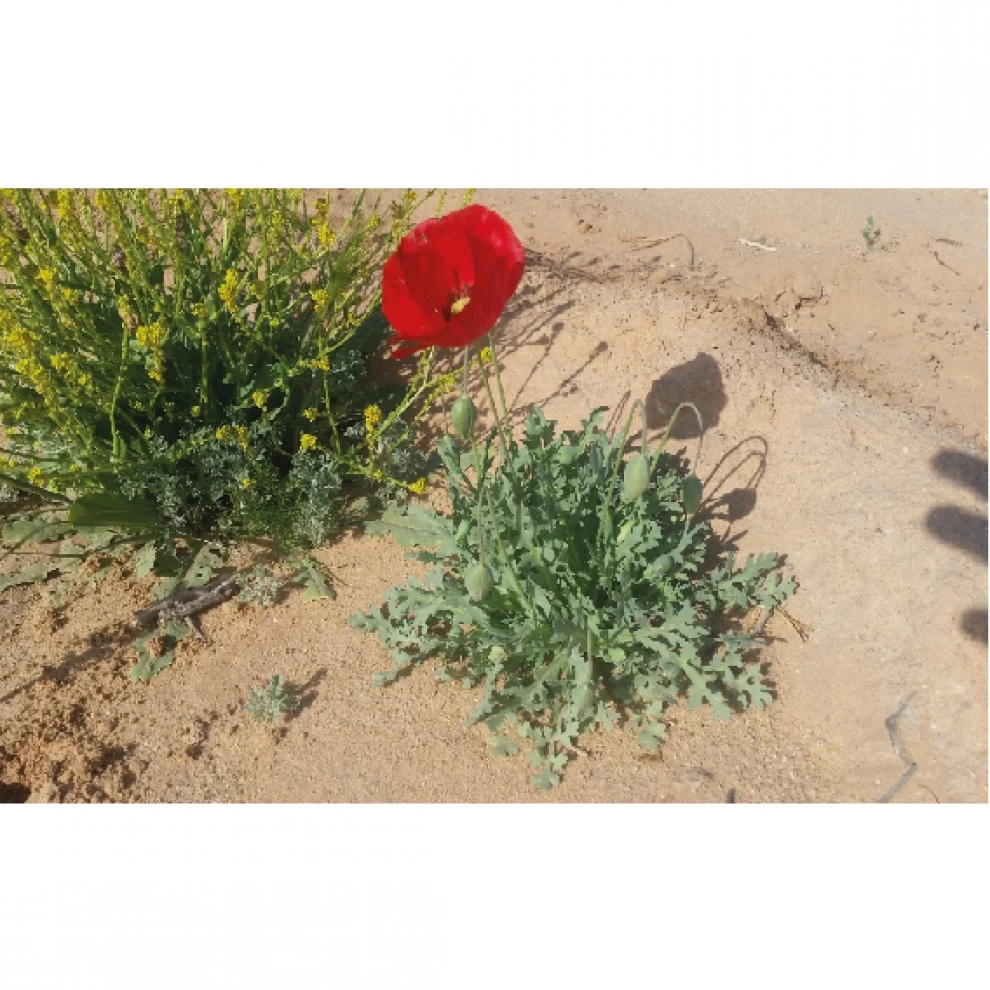
Scientific name: Papaver glaucum
Family: Papaveraceae
Botanical description:
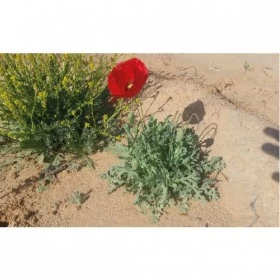
Papaver glaucum is usually found at high altitudes on the slopes of sandy rocky mountains. Turkey, Syria, Saudi Arabia, Iraq, Iran and Turkey are all lands of the Didhan plant. One plant can produce up to fifty large flowers during one season.
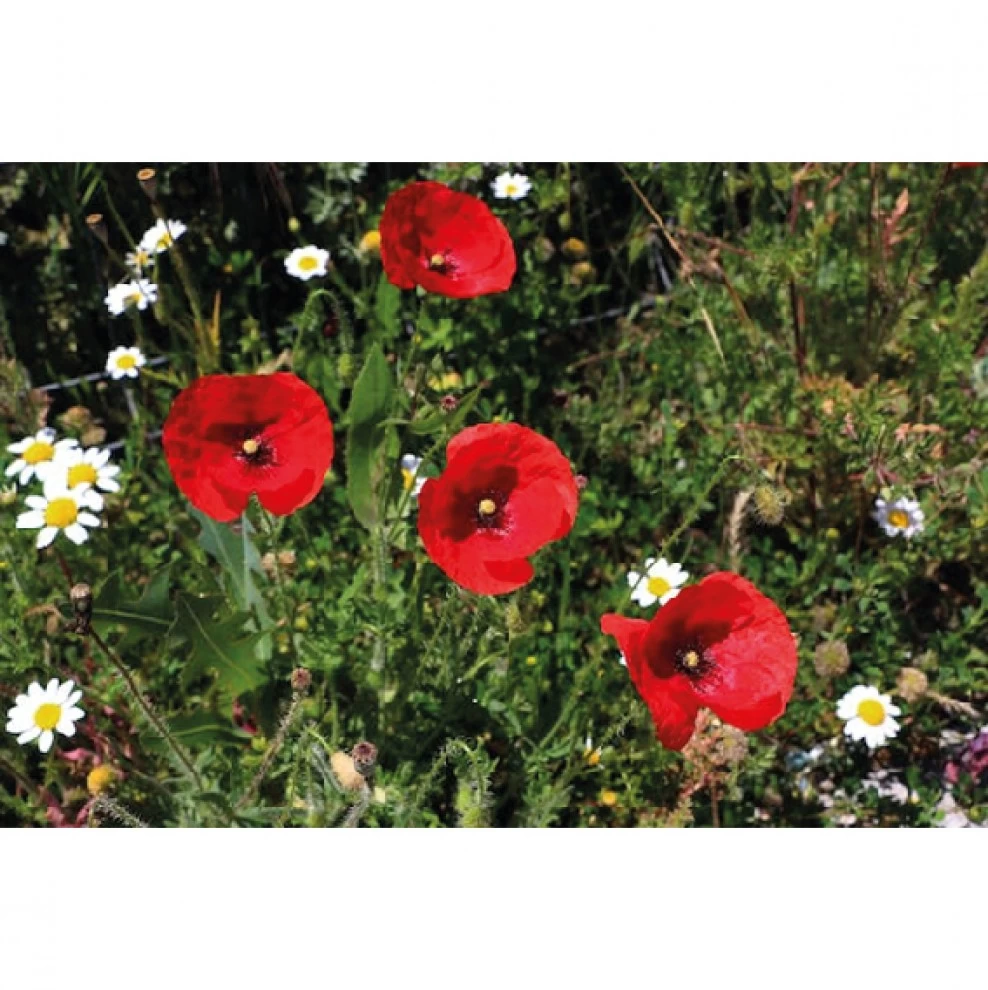
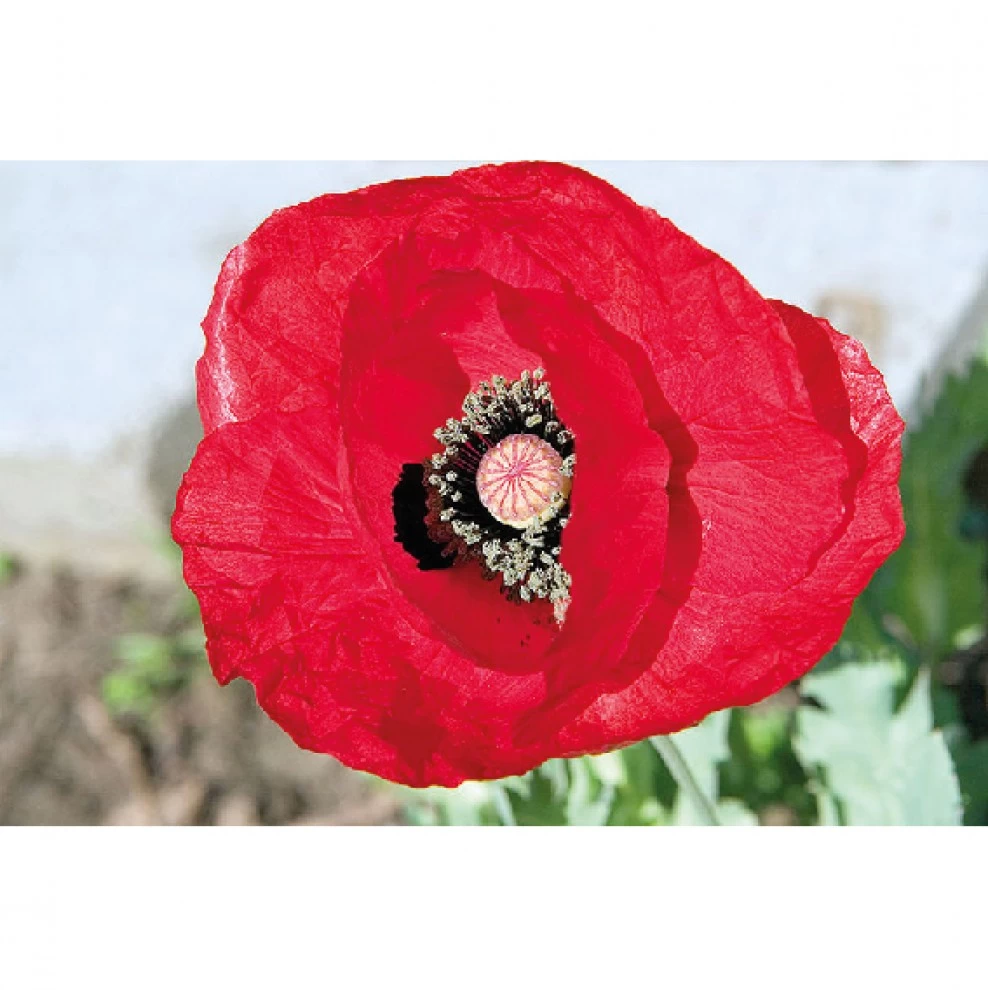
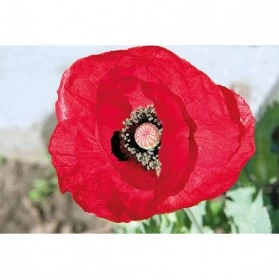
Didhan is an anemone plant, an annual herb with a thin, tender, erect, branched stem. Its leaves are also branched, the lower ones have petioles and the upper ones are sheathed to the stem. The leaves are lanceolate, their edges are lobed or appear to be cut and serrated. The flower stalk appears from the leaf axils and is long, first carrying a flower bud and then turning into a beautiful single flower with four petals and a dark spot in the middle. The fruit of the plant is an oval-shaped capsule with a round base that contains a large number of seeds. All parts of the plant are covered with white hairs..
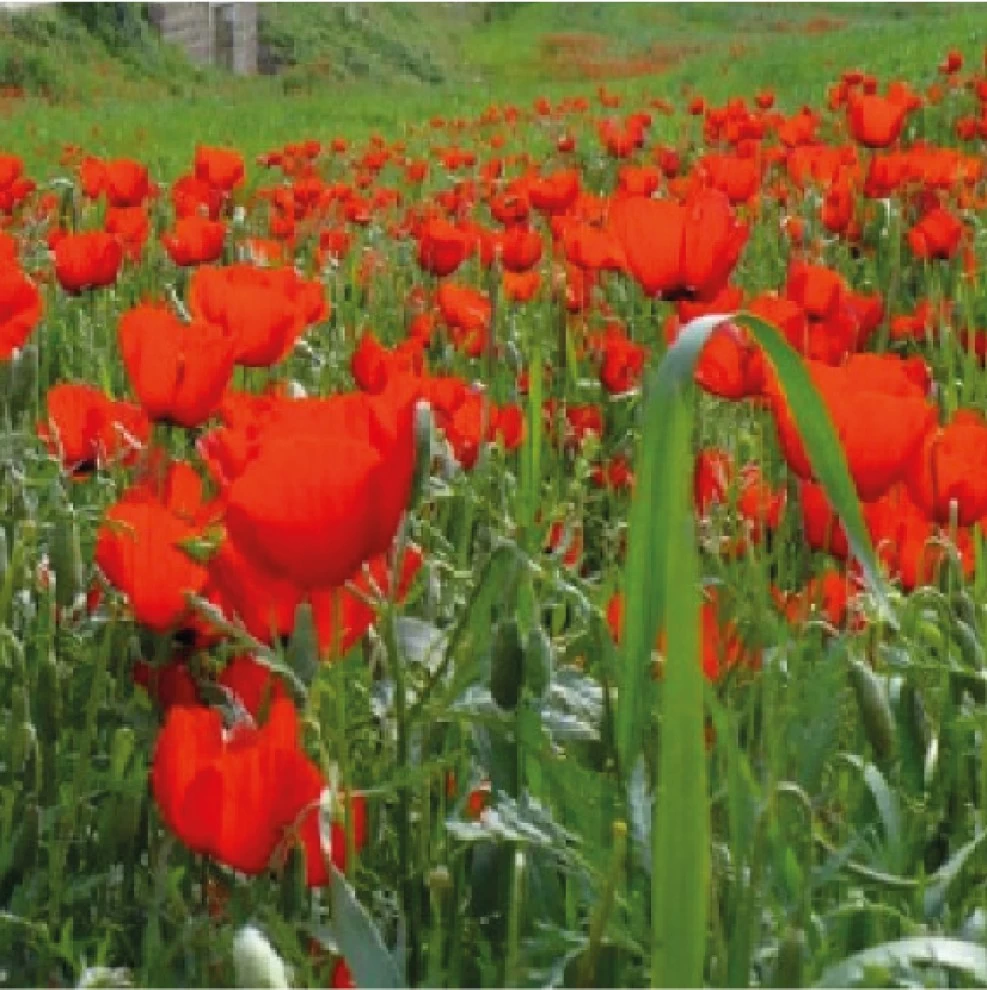
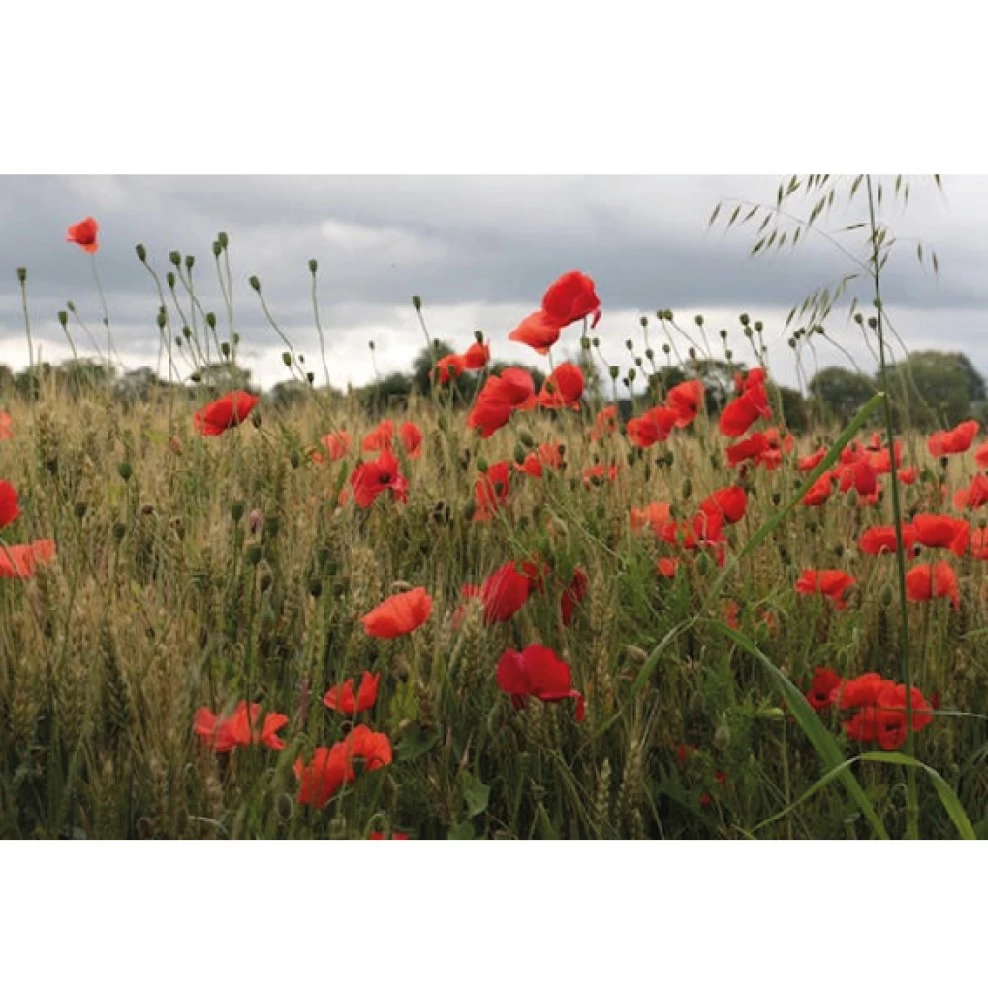
Anemones are wild plants whose flowers take on a red color that shows their beauty. This plant is found in abundance in easy places where rain falls heavily and successively. When its flowers bloom on the ground in the spring, they show a very beautiful picture. Didhan flowers are known to begin to appear in the spring season in the north of the Kingdom of Saudi Arabia, the Levant and the Maghreb.
Reproduction:
Didhan is grown by seeds. Didhan seeds are considered easy to germinate and require a temperature between 15 and 30 degrees. Didhan seeds are planted from the beginning of the season, starting from mid-October for two and a half months. Didhan flowers flourish at the end of winter and the beginning of spring. They are among the most beautiful flowers in the world at this time of the year. Then, at the end of spring and with the rise in temperatures, Didhan flowers begin to bloom like all spring plants and scatter their seeds. This is in April. It is possible to protect the place and then re-irrigate it in the next season in the middle of October to start growing again because of the seeds that were scattered from it after drying in the fourth month.
This plant is found in abundance in easy places where rain falls abundantly and successively. When its flowers bloom on the ground in the spring, it shows a very beautiful picture. Didhan grows at the end of winter and only grows in years when there is heavy rain. It is distinguished by its attractive color that made poets sing about it. 1. Anemone flowers are nutritious to beneficial insects such as bees, making them useful in supporting the surrounding natural environment.