All orders are delivered within 48 hours
For any inquiries, you can contact us on WhatsApp 99222292
You can order via WhatsApp and pay via the link
Pay online



2 People are viewing this product right now


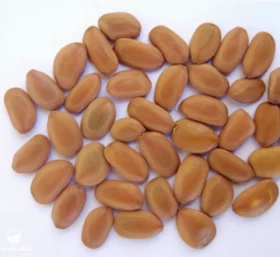
Gulf Ghaf Tree Seeds (Prosopis cineraria)
Botanical Description:
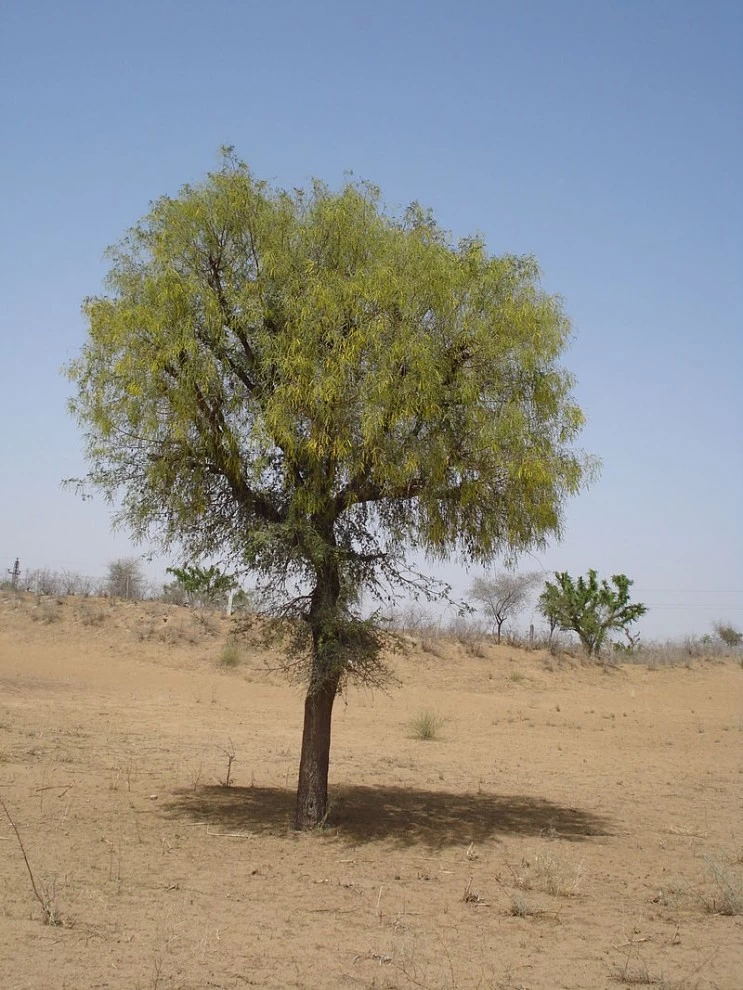
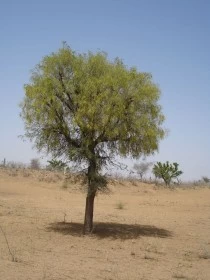
Prosopis cineraria, also known as 'Ghaf' or 'Ghaf' or 'Tree of Life', is a species of flowering tree in the pea family, native to arid parts of Western Asia and the Indian subcontinent, including Afghanistan, Bahrain, Iran, India, Oman, Pakistan, Saudi Arabia, the United Arab Emirates and Yemen. Its leaves are torn and cut along its branch. It can be found in desert places where it can live. It is a species that has been introduced into parts of Southeast Asia, including Indonesia.
The national tree of the United Arab Emirates, where it is known as the Ghaf. Through the "Give a Ghaf" campaign, its citizens are urged to plant it in their gardens to combat desertification and preserve their country's heritage. The desert village of Nizwa in the United Arab Emirates is home to the Ghaf Reserve.
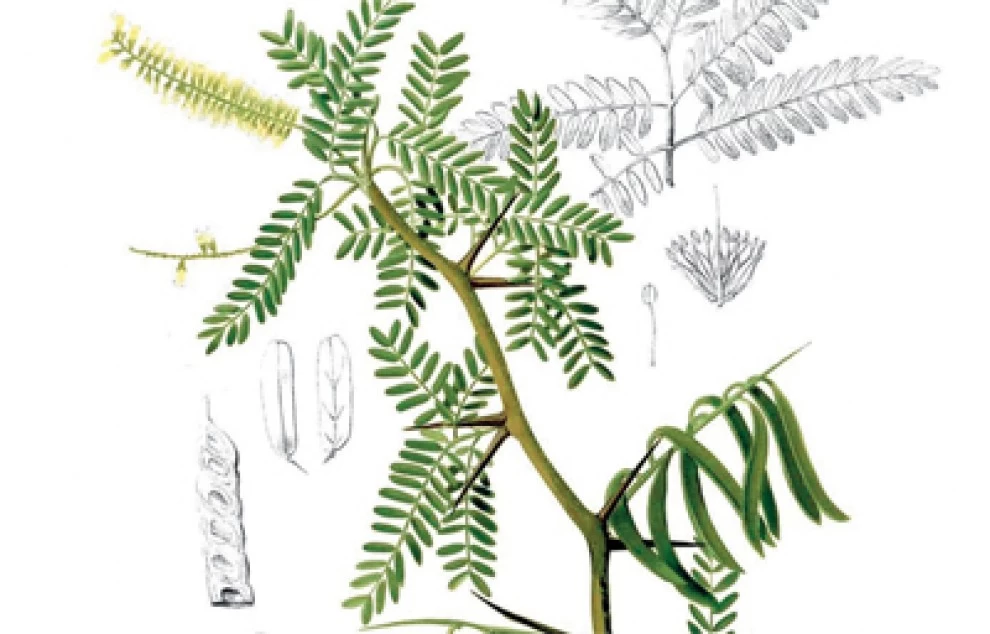
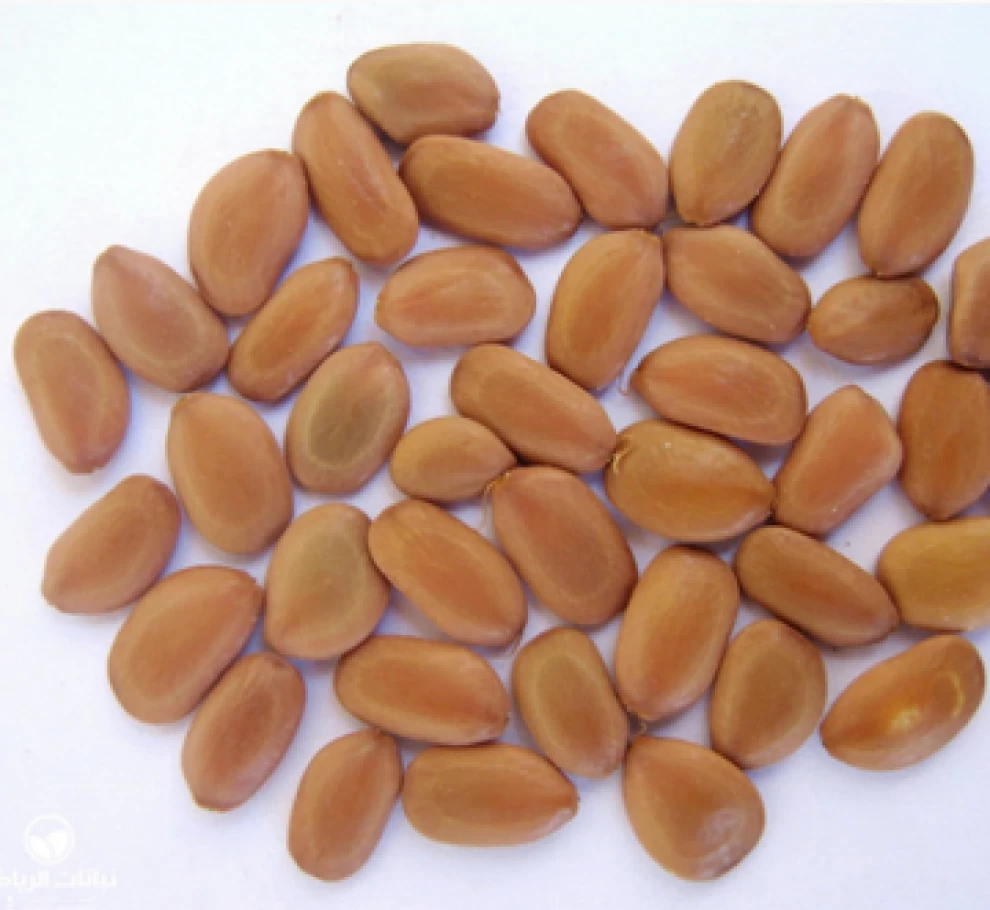
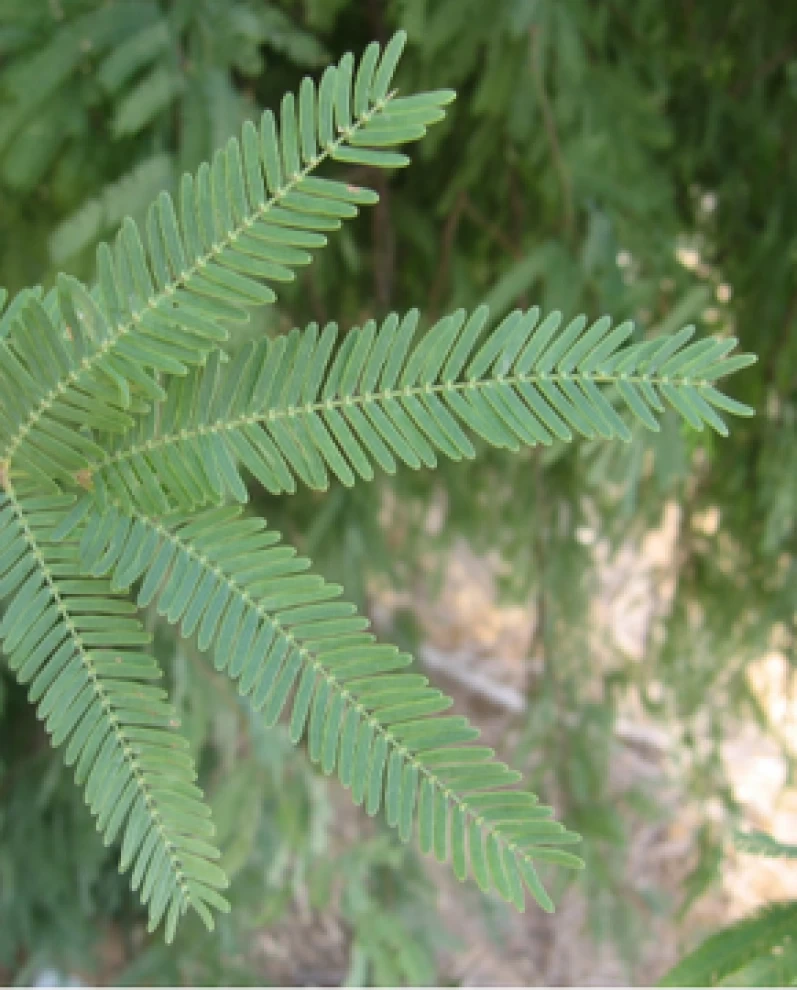
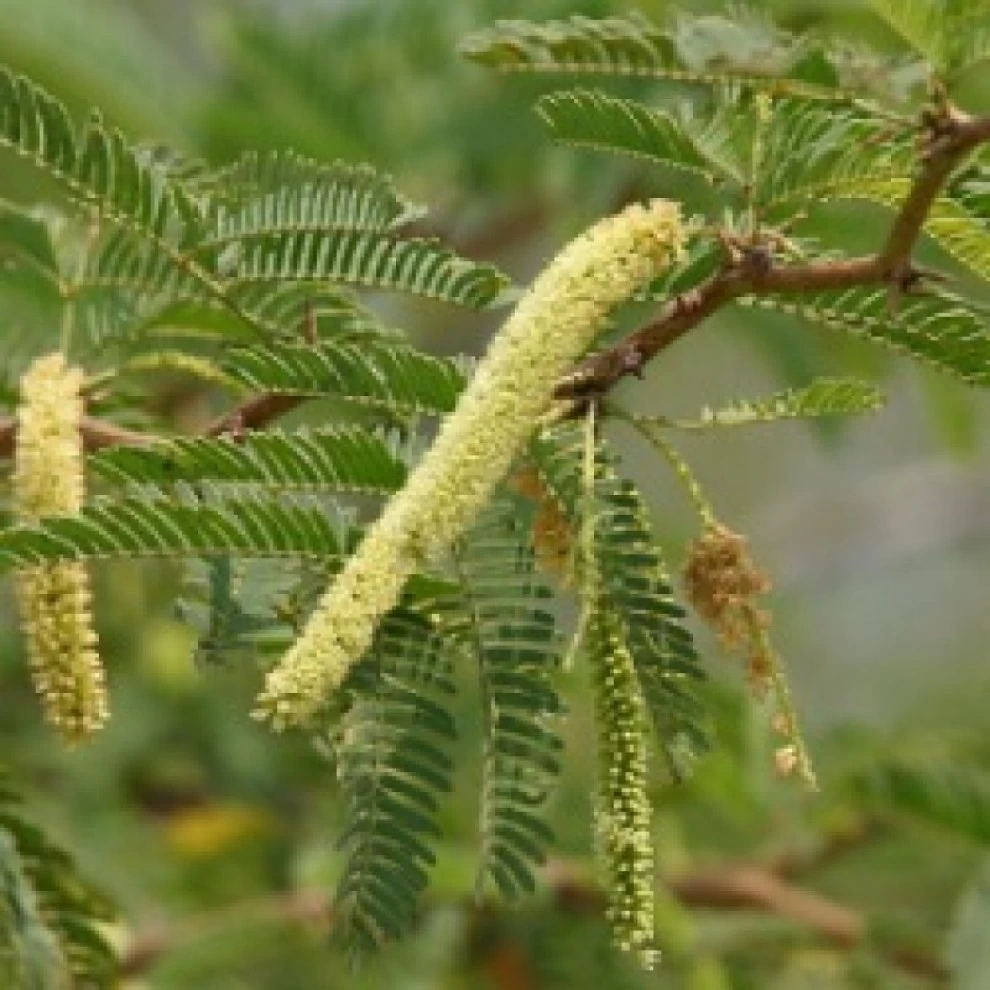
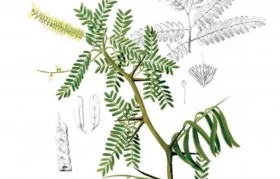
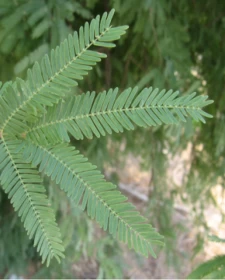
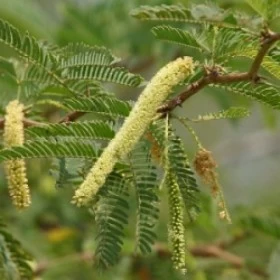
The Gulf Ghaf is a small tree, 3–5 m (9.8–16.4 ft) tall. The plant has a deep root system and low water requirements. Due to its presence in a desert environment and low nitrogen, it is considered a leguminous plant that fixes nitrogen in the soil and improves its properties. The branches are thin and strong and resist the force of winds. The leaves are dense, with thorns scattered on the branches and are distributed in a pinnate or clasped manner, with seven to fourteen leaflets on each of one to three pinnae. The branches are thorny along the internodes. The buds grow to produce new leaves and appear twice a year in March and April and July and October (the months of mild weather). The flowers are small and creamy yellow in color, followed by the seeds in pods. The tree is found in very arid conditions, with rainfall as low as 15 cm (5.9 in) per year; but it is indicative of a deep water table. P. cineraria has shown tolerance to highly saline and alkaline environments.
Important note:
The tree should not be confused with the similar Chinese lantern tree, Dichrostachys cinerea, which can be distinguished by its flowers. While the Chinese lantern tree has two-tone pink-yellow flowers, the true samarium tree has only yellow flowers.
Cultivation:
It is grown from seed or terminal cuttings.
Uses:
• The pods are eaten and the leaves are eaten by animals and are eaten by humans when they are green like beans. The bark is also cooked and used as food because it tastes sweet.
• A gum similar to acacia senegal or what is called gum arabic or what is also called amber for its red color is also extracted from it and is used medicinally and industrially.
• The wood can be a source of charcoal and is of high quality 5000 calories/kg.
• It is also used as barriers to combat desertification and to protect farm borders from sand encroachment.


